Categories
Farm Feed

What Do Alpacas Eat? A Complete Feeding Guide

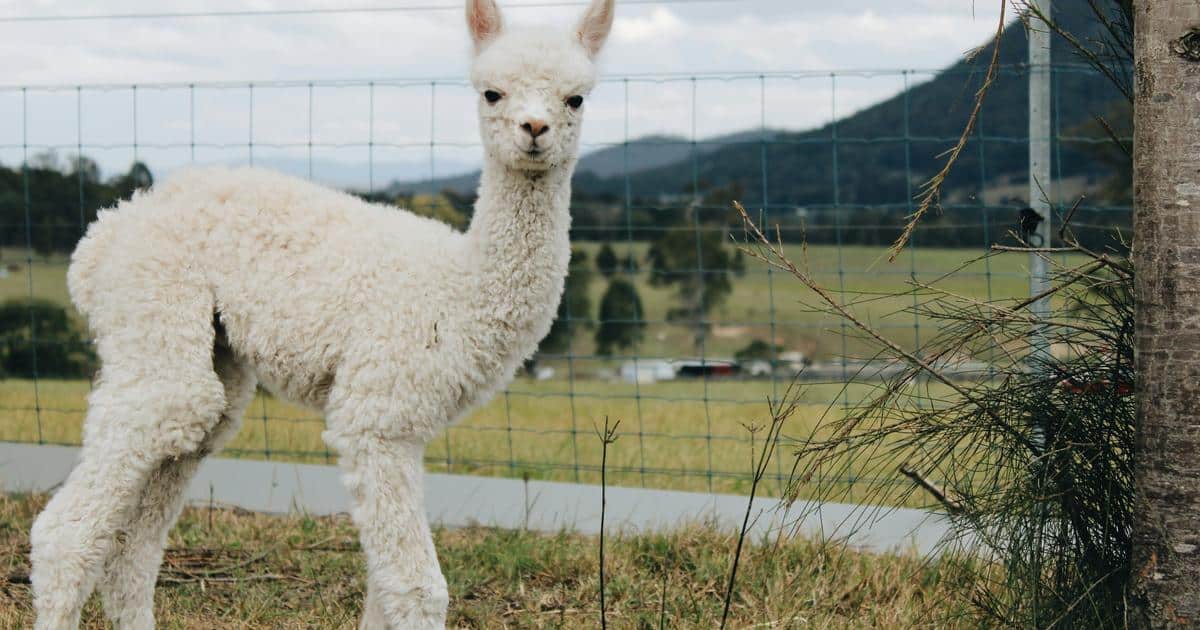
Alpacas live on grass hay and pasture, eating roughly 1.5 to 2% of their body weight in dry matter each day, which is about 2 to 4 lb of hay for a typical adult. They are remarkably economical to feed for a livestock animal, and most need no grain whatsoever.

Like llamas, alpacas are camelids with a three-compartment stomach, evolved on thin high-altitude forage. The single most common feeding error is treating them as though they need rich feed, they do not, and obesity is a real problem in pet alpacas.

What Alpacas Eat Day to Day

  • Pasture. The mainstay in the growing season. Alpacas are primarily grazers, taking grass rather than browsing shrubs the way goats do.
  • Grass hay. The winter staple, and the year-round base where grazing is limited. Timothy, orchard or mixed meadow.
  • Alfalfa. Reserve it for pregnant or lactating females and growing crias. Too rich for routine adult feeding.
  • Camelid pellets. A small measured supplement where forage alone is not enough.
  • Camelid minerals. Free-choice, formulated for alpacas and llamas.
  • Clean water. Constant access, and check troughs in winter for ice.

Alpacas graze more selectively and closer than llamas, and they nibble rather than tear, which is easier on pasture. They also tend to use communal dung piles, which makes paddock cleaning simple and helps with parasite control if you clear them regularly.

Quick Facts: Feeding Alpacas

  • Roughly 1.5–2% of body weight in dry matter daily, about 2–4 lb of hay
  • Grass hay, not alfalfa, for most adults
  • Most alpacas need no grain at all
  • Never keep just one, alpacas are herd animals and need company
  • Check body condition by hand, fleece hides everything

Why Grass Hay Rather Than Alfalfa

Alfalfa is a legume, higher in protein and calcium and considerably more energy-dense than grass hay. For an idle adult alpaca that surplus goes on as fat, and an overweight alpaca is harder to spot than an overweight horse because the fleece hides it entirely.

Assess condition by putting hands on the animal, feeling along the spine and over the ribs, rather than judging by appearance. Do it at shearing too, when you can actually see the body underneath, it is often a surprise in both directions.

Minerals, Selenium and Vitamin D

A camelid-specific free-choice mineral is the right default. Avoid goat minerals, which carry more copper than camelids need.

Two region-specific issues are worth raising with a local vet. Selenium is deficient in the soils of large parts of the US, and camelids in those areas commonly need supplementation. Vitamin D deficiency also affects young crias born into low-light winters at northern latitudes, causing rickets, and injectable supplementation is routine practice in some regions. Neither is something to guess at from a general guide.

Alpacas and Llamas Compared

Dietary needs are near-identical and the same principles apply to both. Practically, an alpaca is roughly half the weight of a llama, grazes more selectively, and is kept primarily for fleece rather than as a pack or guard animal. Our guide to what llamas eat covers that side, including the guarding role.

One thing shared by both and worth stating plainly: never keep a single animal. Camelids are herd animals and a solitary alpaca is a genuinely stressed one. Three is a better minimum than two.

Foods and Plants to Avoid

AvoidWhy
Alfalfa as routine adult feedToo rich, leads to obesity hidden under fleece
Grain fed as a habitUnnecessary calories for an animal built on sparse forage
Goat mineralsMore copper than camelids need
Mouldy hayMycotoxins
Rhododendron, azalea, oleander, yewToxic
Wilted cherry leavesCyanide compounds
Lawn clippingsRapid fermentation, digestive upset

For how this compares across the rest of the yard, see our overview of what most farm animals eat, or browse the full farm feed hub.

Other feeding guides in this group (other livestock): pigs eat, horses eat, rabbits eat. Or start from the overview of what most farm animals eat.

What do alpacas eat?

Grass hay and pasture, at roughly 1.5 to 2% of body weight in dry matter daily, which is about 2 to 4 lb of hay for an adult. Most alpacas need no grain, and alfalfa should be reserved for pregnant or nursing females and growing crias.

How much hay does an alpaca eat?

Around 2 to 4 lb a day for a typical adult, based on 1.5 to 2% of body weight. Alpacas are unusually economical to feed for their size.

Do alpacas need grain?

Most do not. A small measured camelid pellet helps where forage alone is not enough, or for pregnant and lactating females, but routine grain is how pet alpacas become overweight.

Can alpacas eat alfalfa?

Only in limited situations. Alfalfa is too rich for idle adults and leads to obesity that fleece conceals. It suits pregnant or lactating females and growing crias.

Do alpacas and llamas eat the same food?

Essentially yes, the nutritional requirements are near-identical. The practical differences are size and purpose rather than diet, an alpaca is about half a llama’s weight and is kept mainly for fleece.

Can you keep just one alpaca?

No. Alpacas are herd animals and a single alpaca becomes genuinely stressed. Keep at least two, and three or more is better.
Categories
Farm Feed

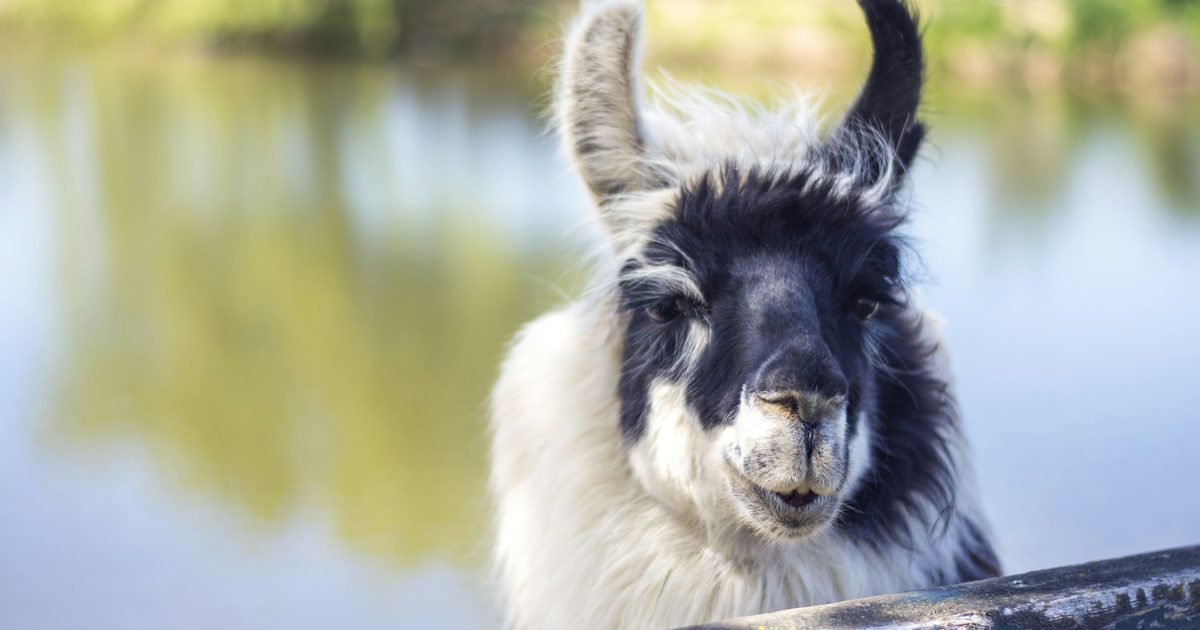
What Do Llamas Eat? A Complete Feeding Guide

Llamas are efficient forage animals: grass hay and pasture cover almost everything they need, and they get by on noticeably less feed than their size suggests. A llama typically eats around 1 to 2% of its body weight in dry matter daily, and most need no grain at all.

They are camelids rather than ruminants in the strict sense, with a three-compartment stomach instead of four, and they evolved on sparse, low-quality Andean forage. That history is why over-feeding is a more common problem with llamas than under-feeding.

Built for Poor Forage

Llamas process fibrous, low-protein forage very efficiently. Put one on rich pasture or feed it like a horse and it will become overweight, which is a real welfare issue and hard to reverse in an animal that hides condition under fleece.

Practically, that means grass hay rather than alfalfa for most adult llamas, and pasture that would look unremarkable to a cattle farmer is often exactly right. Body condition should be assessed by hand along the spine and ribs, not by eye, because fleece conceals a great deal.

Quick Facts: Feeding Llamas

  • Grass hay and pasture cover nearly all adult needs
  • Roughly 1–2% of body weight in dry matter daily
  • Most llamas need no grain, over-feeding is the usual mistake
  • Assess condition by hand, fleece hides both fat and thinness
  • Selenium deficiency is regional, check local guidance

The Daily Diet

  • Pasture. The mainstay in the growing season. Llamas graze and browse, taking both grass and some shrubby growth.
  • Grass hay. The winter staple. Timothy, orchard or mixed meadow hay.
  • Alfalfa. Only for pregnant or lactating females and growing youngstock. Too rich for most adults.
  • Camelid minerals. Free-choice, formulated for llamas and alpacas.
  • Clean water. Always available. Llamas drink less than horses but still need constant access.

Grain and pelleted supplements are for animals with a genuine extra requirement, working animals, pregnant or nursing females, or an underweight individual. Feeding grain as routine enrichment is how llamas get fat.

Minerals and Selenium

Use a mineral formulated for camelids where you can get one. Sheep minerals are a common substitute because they are also copper-restricted, and llamas do not need the copper levels goats do, but a camelid-specific mix is preferable.

Selenium is the one that varies by geography. Large parts of the US have selenium-deficient soils, and camelids in those areas often need supplementation, while over-supplementing in a selenium-rich area is itself harmful. This is a case where local advice genuinely beats general advice, ask a vet or extension office rather than guessing.

Llamas and Alpacas: Same Diet, Different Animal

Nutritionally the two are very close, and much of this page applies to both. The practical differences are size and purpose: a llama is roughly twice the weight of an alpaca and is often kept as a pack animal or a guard animal for sheep, while alpacas are kept primarily for fleece.

That guarding role is worth knowing about if you keep sheep, though a livestock guardian dog is the more capable option against determined predators. See our guide to what alpacas eat for the alpaca-specific detail.

Foods and Plants to Avoid

AvoidWhy
Rich alfalfa as a routine adult feedExcess protein and calories, obesity
Routine grain for idle animalsThe most common cause of overweight llamas
Goat mineralsCopper level is higher than camelids need
Mouldy hayMycotoxins
Rhododendron, azalea, oleander, yewToxic, as for most livestock
Wilted cherry leavesCyanide compounds
Lawn clippingsFerment rapidly, cause digestive upset

For how this compares across the rest of the yard, see our overview of what most farm animals eat, or browse the full farm feed hub.

Other feeding guides in this group (other livestock): pigs eat, horses eat, rabbits eat. Or start from the overview of what most farm animals eat.

What do llamas eat?

Grass hay and pasture cover almost everything a llama needs, at roughly 1 to 2% of body weight in dry matter daily. Most adult llamas need no grain, and alfalfa is generally too rich except for pregnant or nursing females and growing youngstock.

Do llamas need grain?

Usually not. Grain is for working animals, pregnant or lactating females, and underweight individuals. Llamas evolved on sparse Andean forage and gain weight easily, so routine grain is the most common feeding mistake.

How much does a llama eat per day?

Around 1 to 2% of body weight in dry matter, so roughly 3 to 6 lb of hay for a 300 lb llama. They are more feed-efficient than their size suggests.

Can llamas eat goat minerals?

Better not to. Goat minerals carry more copper than camelids require. A camelid-specific mineral is best; sheep minerals are a common substitute since they are also copper-restricted.

Do llamas and alpacas eat the same thing?

Nutritionally they are very close and the same feeding principles apply. The differences are practical rather than dietary: a llama is roughly twice an alpaca’s weight and is often kept as a pack or guard animal, while alpacas are kept mainly for fleece.

Why does selenium matter for llamas?

Large parts of the US have selenium-deficient soils, and camelids there often need supplementation, while over-supplementing in selenium-rich areas is harmful. Local guidance from a vet or extension office beats general advice on this one.

Categories
Farm Feed

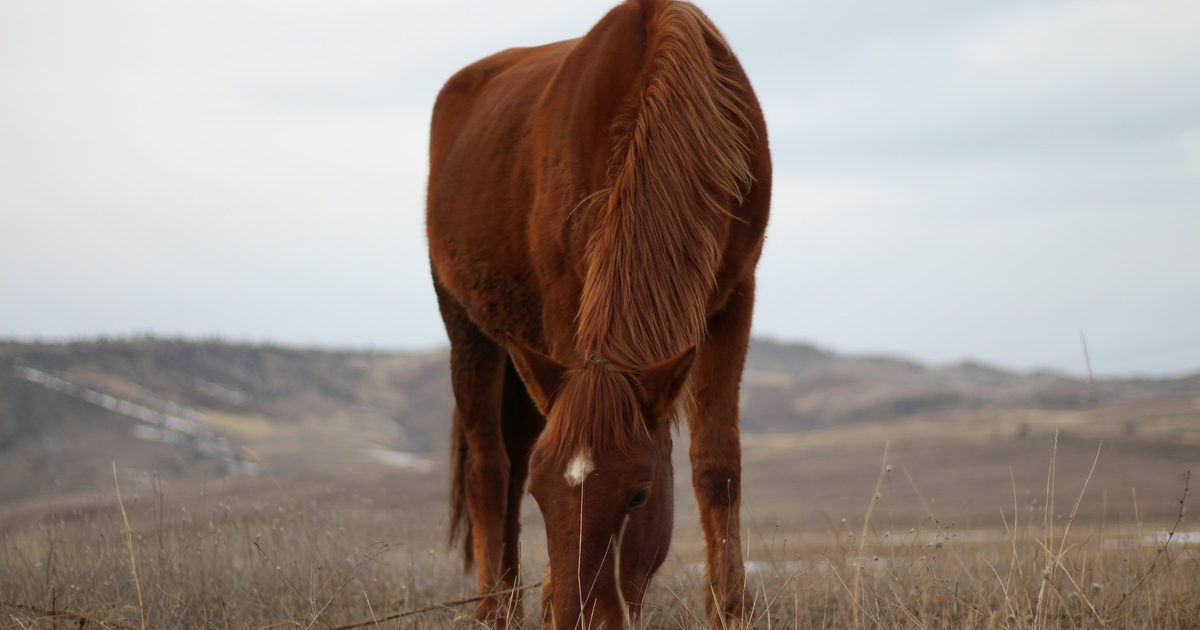
What Do Horses Eat? A Complete Feeding Guide

Horses are forage-first animals: hay and pasture should make up the bulk of the diet, ideally 1.5 to 2% of body weight in forage dry matter per day. For a 1,000 lb horse that is roughly 15 to 20 lb of hay daily, and grain is a supplement to that rather than a replacement for it.

Horses are also hindgut fermenters with a comparatively small stomach and no ability to vomit, which is why feeding them is less forgiving than feeding a cow, and why colic is the risk that shapes every feeding rule below.

Why the Horse Gut Dictates the Rules

A horse ferments fibre in the hindgut, but food first passes through a small stomach designed for near-continuous trickle feeding. In the wild a horse grazes for a large part of the day. Modern feeding, two big meals with long gaps, works against that design.

Two consequences follow. Long gaps without forage raise the risk of gastric ulcers, since the stomach secretes acid continuously whether or not there is food in it. And large grain meals can overwhelm small-intestine digestion, pushing starch into the hindgut where it ferments rapidly and can trigger colic or laminitis.

Quick Facts: Feeding Horses

  • Forage first: 1.5–2% of body weight in dry matter daily
  • Feed little and often, horses are trickle feeders
  • Make every change gradually, over one to two weeks
  • Never feed lawn clippings, they ferment fast and cause colic
  • Constant access to clean water, 5–10+ gallons a day

Forage: Hay and Pasture

Grass hay, timothy, orchard, brome or a mixed meadow hay, suits most horses. Legume hays like alfalfa carry more protein, calcium and energy, which is valuable for hard-working, growing or underweight horses and often too rich for an idle one.

Hay quality drives everything. Early-cut hay is softer, leafier and higher in nutrition; late-cut hay is stemmy and much lower in value. Mouldy or dusty hay should not be fed at all, respiratory problems in horses are frequently traceable to it.

Pasture is excellent but not automatically safe. Lush spring grass is high in sugars and is a well-known laminitis trigger in susceptible horses, particularly ponies and animals with metabolic issues. Introduce spring grazing gradually rather than turning a horse straight out onto it.

When a Horse Needs Grain

Many horses in light work need no grain at all. Concentrates earn their place for horses in hard work, broodmares in late gestation and lactation, growing youngstock, and animals struggling to hold condition on forage alone.

Where grain is fed, split it into smaller meals rather than one large one, and keep forage in front of the horse. A useful rule of thumb is no more than about 0.5% of body weight in concentrate per meal, so around 5 lb for a 1,000 lb horse.

How Much Hay Does a Horse Eat?

For a 1,000 lb horse at 1.5 to 2% of body weight, expect roughly 15 to 20 lb of hay per day when there is no grazing. Over a winter that adds up quickly, which is why hay storage and buying well are as much a part of horse keeping as the feeding itself.

Horses fed below about 1.5% of body weight in forage are at meaningfully increased risk of ulcers and behavioural problems. If a horse must be restricted for weight reasons, slow-feeder nets are the usual answer, they extend eating time without increasing the amount.

Do Horses Eat Meat?

No. Horses are obligate herbivores, and their teeth, gut and digestive enzymes are all built for plant material. There are occasional anecdotes of horses eating a chick or nibbling at meat, but this is aberrant behaviour rather than diet, and meat should never be offered.

Feeds and Plants to Avoid

AvoidWhy
Lawn clippingsFerment rapidly, a classic and avoidable cause of colic
Mouldy or dusty hayRespiratory disease and colic risk
Large single grain mealsStarch overload, colic and laminitis
Lush spring pasture, unrestrictedSugar spike, a known laminitis trigger
Cattle feed containing ionophoresMonensin and similar additives are lethal to horses
Red maple leaves, especially wiltedCause red blood cell damage
Yew, oleander, black walnut shavingsHighly toxic
Fruit with stones, in quantityChoke risk and cyanide compounds in the pits

The ionophore point deserves emphasis because it is a genuine and repeated killer: feed additives that are safe in cattle rations, particularly monensin, are fatal to horses. Never feed cattle concentrate to a horse, and store the two separately.

Water and forage storage matter as much as the ration, see choosing a water trough and feed storage. For how this compares across the rest of the yard, see our overview of what most farm animals eat, or browse the full farm feed hub.

Other feeding guides in this group (other livestock): pigs eat, rabbits eat, llamas eat. Or start from the overview of what most farm animals eat.

What do horses eat?

Forage first. Hay and pasture should make up the bulk of the diet, ideally 1.5 to 2% of body weight in dry matter daily, which is roughly 15 to 20 lb of hay for a 1,000 lb horse. Grain is a supplement for horses that need extra energy.

How much hay does a horse eat per day?

Around 15 to 20 lb for a typical 1,000 lb horse with no grazing, based on 1.5 to 2% of body weight. Feeding below about 1.5% raises the risk of ulcers and behavioural problems, so slow-feeder nets are better than cutting the amount.

Do horses eat meat?

No. Horses are obligate herbivores and their teeth, gut and enzymes are built entirely for plant material. Occasional anecdotes exist, but it is aberrant behaviour and meat should never be offered.

Why can’t horses eat lawn clippings?

Clippings ferment very rapidly and are eaten fast without proper chewing, which is a well-known cause of colic. Freshly cut grass in a pile behaves nothing like grass a horse grazes itself.

Do all horses need grain?

No. Many horses in light work do perfectly well on forage alone. Grain is for hard work, late pregnancy and lactation, growing youngstock, and horses that cannot hold condition on forage.

Can horses eat cattle feed?

Never. Many cattle rations contain ionophores such as monensin, which are safe for cattle and lethal to horses. Store horse and cattle feed separately.

Categories
Farm Feed

What Do Quail Eat? A Complete Feeding Guide

Quail need considerably more protein than chickens, and feeding them chicken feed is the most common mistake new keepers make. Quail chicks want a gamebird starter at roughly 26 to 30% protein, where chick starter typically carries 18 to 20%.

Get that first six weeks wrong and you see poor growth and weak legs that never fully correct. Get it right and quail are among the least demanding birds on a smallholding.

Quail Feed by Stage

StageAgeProtein
Gamebird starter0–6 weeks~26–30%
Grower6+ weeks~20–22%
Layer / breederLaying hens~18–20%+, with added calcium

Coturnix quail, the commonest backyard type, start laying at around six to eight weeks, which is remarkably fast. That early maturity is exactly why the protein requirement is so high, the bird is building a laying body in under two months.

Can Quail Eat Chicken Feed?

Not as a proper diet, and the reasons differ by feed type. Chicken starter at 18 to 20% is simply too low in protein for quail chicks. Chicken layer feed is worse: around 16% protein, far below what quail need, and its high calcium level is actively harmful to chicks and to males.

If gamebird starter is genuinely unavailable, a high-protein turkey starter at 24 to 28% is a reasonable short-term substitute. Grinding standard crumble finer also helps very young chicks physically manage it, but it does not solve the protein shortfall.

Quick Facts: Feeding Quail

  • Gamebird starter at 26–30% protein for the first 6 weeks
  • Chicken layer feed is too low in protein AND too high in calcium
  • Turkey starter (24–28%) is the best emergency substitute
  • Quail scatter feed, use a covered or narrow-lipped feeder
  • Shallow water, quail chicks drown easily in open founts

Practical Feeding Notes

Quail are messy and wasteful with feed. They scratch and scatter, and an open dish can lose a surprising proportion of a bag. Feeders with a narrow lip or a cover pay for themselves quickly.

Water needs care with chicks. Quail chicks are tiny and drown readily in an open waterer, so use shallow water with marbles or pebbles in the base for the first couple of weeks. Laying hens need free-choice calcium, crushed oyster shell in a separate dish, and grit if they are eating anything beyond crumble.

What Do Baby Quail Eat?

Gamebird starter crumble, ground finer if the birds are struggling with the particle size. Chicks are extremely small at hatch and need feed within easy reach, spread on a tray or paper for the first day or two so they find it. Keep them on starter for a full six weeks rather than switching early.

What Do Wild Quail Eat?

Wild quail are largely seed eaters as adults, taking grass and weed seeds, waste grain, leaves, buds and berries, with insects making up a much larger share of the diet for chicks. That insect protein early on mirrors exactly why captive chicks need such a high-protein starter.

If you are managing land for wild quail, habitat matters far more than feeding, they need low cover for nesting and bare ground for dust-bathing and foraging.

Treats and Foods to Avoid

Quail take mealworms, chopped greens, and small amounts of fruit and vegetable scraps happily, and mealworms are genuinely useful during laying or moult. Keep treats modest so they do not dilute a high-protein ration.

AvoidWhy
Chicken layer feed as a stapleToo little protein, too much calcium for chicks and males
AvocadoToxic to birds
Raw or dried beansLectins toxic until fully cooked
Anything mouldyMycotoxins
Salty or heavily processed foodPoorly tolerated
Open deep waterers for chicksDrowning risk rather than a food issue, but a common loss

Quail sit alongside the rest of the poultry on a smallholding, see what chickens eat for the contrast in requirements. For how this compares across the rest of the yard, see our overview of what most farm animals eat, or browse the full farm feed hub.

Other feeding guides in this group (poultry and waterfowl): chickens eat, ducks eat, geese eat. Or start from the overview of what most farm animals eat.

What do quail eat?

A gamebird ration matched to their age: roughly 26 to 30% protein starter for the first six weeks, 20 to 22% grower after that, and 18 to 20%+ for laying birds. They also take mealworms, greens and small scraps as treats.

Can quail eat chicken feed?

Not as a proper diet. Chicken starter at 18 to 20% is too low in protein for quail chicks, and chicken layer feed is worse, around 16% protein with a calcium level that harms chicks and males. Turkey starter at 24 to 28% is a better substitute.

What do baby quail eat?

Gamebird starter crumble at 26 to 30% protein, ground finer if needed. Spread it on a tray or paper for the first day or two so the tiny chicks can find it, and keep them on starter for a full six weeks.

What do wild quail eat?

Adults are largely seed eaters, taking grass and weed seeds, waste grain, leaves, buds and berries. Chicks eat far more insects, which supplies the protein they need to grow.

Why do quail need more protein than chickens?

Because they mature extremely fast. Coturnix quail can start laying at six to eight weeks, so they build a laying body in under two months, and that requires far more protein per day than a chicken growing over five or six months.

Do quail need grit and oyster shell?

Grit yes, if they eat anything beyond crumble, since they grind food in a gizzard like other birds. Laying hens also need free-choice calcium such as crushed oyster shell, offered separately rather than mixed into feed.

Categories
Farm Feed

What Do Sheep Eat? A Complete Feeding Guide

Sheep are grazers, and a good pasture plus hay in winter covers most of what they need. They are among the most forage-efficient livestock you can keep, and a healthy adult sheep on decent grass often needs no grain at all.

There is one thing about feeding sheep that matters more than anything else on this page, and it is the reason you must never feed them minerals meant for goats: sheep are the livestock species most vulnerable to copper poisoning.

🔴 Copper: Sheep Are the Opposite of Goats

Sheep liver cells hold onto copper and excrete very little of it into bile, so dietary copper accumulates over months and years rather than passing through. That makes sheep the most susceptible farm species to chronic copper toxicity, and it puts them in direct opposition to goats, which need considerably more copper than sheep can tolerate.

The practical rule is simple and absolute: never give sheep a mineral, feed or supplement formulated for goats, and be careful with anything labelled generically for cattle. One of the most common causes of copper poisoning in sheep is accidental access to feed intended for another species. If you keep both sheep and goats, separate mineral stations are not optional.

Feed testing above roughly 25 ppm copper, or with a copper-to-molybdenum ratio over about 10:1, is considered potentially toxic to sheep. Worth knowing as well: accumulated copper can be released suddenly under stress, shearing, transport, extreme weather, which is why the disease often appears after a stressful event rather than during a feed change. Our guide to what goats eat explains the requirement from the goat side, and the contrast is stark.

Quick Facts: Feeding Sheep

  • Grazers, not browsers, they prefer short grass to shrubs
  • Good pasture plus winter hay covers most adult needs
  • 🔴 NEVER feed goat minerals to sheep, copper accumulates and kills
  • Use a sheep-specific mineral, copper-restricted by design
  • Most adult sheep on decent grass need no grain at all

Grazers, Not Browsers

Sheep graze close to the ground and prefer grass and short forbs, which is the opposite of a goat’s preference for shrubs and branches at head height. That difference is genuinely useful on mixed ground, sheep and goats compete far less than people expect because they target different vegetation.

It also means sheep pick up more parasites than goats do, since worm larvae concentrate in the bottom few inches of pasture. Rotating grazing rather than leaving sheep on the same ground is the main practical defence.

Pasture, Hay and When to Use Grain

  • Pasture. The foundation. Mixed grass and legume swards suit sheep well.
  • Hay. The winter staple. Quality matters, early-cut hay carries far more protein than late stemmy hay, see fodder types explained and feed storage.
  • Grain. For ewes in late pregnancy and lactation, growing lambs, and animals in poor condition. Not for maintenance.
  • Sheep mineral. Free-choice, and specifically formulated for sheep.
  • Clean water. Always, and more than people expect in hot weather or on dry feed, see choosing a water trough.

Grain needs introducing gradually. A sudden load causes acidosis in sheep as it does in cattle, and in lambs a rich grain diet is a known trigger for urinary calculi in males. Late pregnancy is the point where nutrition matters most, a ewe carrying twins in her final weeks has a genuinely demanding requirement, and under-feeding then causes pregnancy toxaemia.

What Do Lambs Eat?

Lambs live on their mother’s milk for the first few weeks and start nibbling solids from around two weeks. A creep feed, offered where lambs can reach it but the ewes cannot, lets them start on concentrate before weaning and smooths the transition.

They are usually weaned at around 12 to 14 weeks. Growing lambs need better nutrition than adults, both more protein and more energy, so this is one of the stages where grain earns its place.

Plants and Feeds to Avoid

AvoidWhy
🔴 Goat or generic cattle mineralsCopper accumulation, the single biggest feeding risk to sheep
Sudden large amounts of grainAcidosis; in ram lambs, urinary calculi
Mouldy hay or spoiled silageMycotoxins and listeria risk
Rhododendron, azalea, mountain laurelHighly toxic, same family that poisons goats
Wilted wild or black cherry leavesCyanide compounds, more dangerous wilted than fresh
Lush legume pasture on an empty stomachBloat risk, fill on hay first
Copper-supplemented pig or poultry feedCopper levels formulated for other species are dangerous here

For how this compares across the rest of the yard, see our overview of what most farm animals eat, or browse the full farm feed hub.

Other feeding guides in this group (ruminants): cows eat, goats eat. Or start from the overview of what most farm animals eat.

What do sheep eat?

Mainly grass. Sheep are grazers, and good pasture plus hay through winter covers most of what an adult sheep needs. Most sheep on decent grass require no grain at all.

Can sheep eat goat minerals?

No, and this is the most important rule in feeding sheep. Sheep accumulate copper in the liver and excrete very little, making them the farm species most vulnerable to chronic copper poisoning. Goat minerals contain far more copper than sheep can safely tolerate. Always use a sheep-specific mineral.

Are sheep grazers or browsers?

Grazers. They feed close to the ground on grass and short forbs, unlike goats, which browse shrubs and branches at head height. It also means sheep pick up more parasites, since worm larvae sit in the lowest few inches of pasture.

Do sheep need grain?

Usually not for maintenance. Grain is for ewes in late pregnancy and lactation, growing lambs, and animals in poor condition. Introduce it gradually, since sudden grain causes acidosis and, in ram lambs, urinary calculi.

What do lambs eat?

Milk for the first few weeks, then solids from around two weeks, often via a creep feed the ewes cannot reach. Weaning is usually at 12 to 14 weeks, and growing lambs need more protein and energy than adults.

How much hay does a sheep eat?

As a rough guide, sheep eat around 2 to 4% of their body weight in dry matter daily, so a 150 lb ewe eats roughly 3 to 6 lb. Late pregnancy and lactation sit at the top of that range.

Categories
Farm Feed

What Do Cows Eat? A Complete Feeding Guide

Cows are ruminants, and almost everything about feeding them follows from that. Their four-compartment stomach lets them convert grass and other fibrous forage, which humans cannot digest at all, into meat and milk. A cow’s diet is therefore built on forage: pasture in the growing season, hay or silage out of it.

Grain has a role, but a smaller and more careful one than people assume, because the rumen that makes cattle so useful is also easy to upset.

How a Cow’s Digestion Shapes Its Diet

A cow does not digest grass so much as host the microbes that do. The rumen is a large fermentation vat where bacteria and protozoa break down cellulose, and the cow lives largely on the products of that fermentation. Chewing the cud, regurgitating and re-chewing forage, is part of the same process.

The practical implication is that you are feeding the rumen microbes as much as the animal. That population adapts slowly to change, which is why any shift in ration has to be gradual, and why a sudden load of grain causes real trouble.

Forage: The Foundation

ForageWhat it isWhen used
PastureLive growing grass and legumesMain feed through the growing season
HayGrass or legume cut and driedWinter staple, and whenever pasture is short
SilageForage fermented at high moistureStored winter feed, common on larger farms
HaylageWilted forage, baled and wrappedBetween hay and silage, popular at small scale
Crop residuesCorn stalks, strawLow-quality filler, needs supplementing

Quality matters more than quantity. Hay cut early is far higher in protein and energy than hay cut late and stemmy, and the difference is enough to determine whether a cow holds condition through winter without supplementation. Our guide to fodder types covers the distinctions in more detail, and feed storage covers keeping it in good condition once it is baled.

Grain and Concentrates

Grain, usually corn, barley or a formulated concentrate, raises energy density for animals that need it: dairy cows in peak lactation, cattle being finished for beef, and animals in poor condition. A dry cow on decent pasture typically needs none.

The risk is acidosis. Grain ferments much faster than forage, and a sudden large intake drops rumen pH sharply, which harms the microbial population and in serious cases the animal. Introduce grain gradually, feed it in divided portions rather than one large meal, and always keep effective fibre in the ration.

Quick Facts: Feeding Grain Safely

  • Introduce grain gradually over one to two weeks
  • Split larger amounts across more than one feeding
  • Never let cattle break into a grain store, acute acidosis can be fatal
  • Keep long-fibre forage in the diet alongside any grain
  • Most cows on good pasture need no grain at all

Water, Minerals and Salt

Water is the most underrated input. A lactating dairy cow can drink 30 to 50 gallons a day, and intake rises sharply in hot weather. Restricted water cuts feed intake and milk yield before any other sign appears, so a reliable supply matters more than almost any refinement to the ration. See our guide to choosing a water trough for sizing.

Cattle also need salt and trace minerals, usually offered free-choice as a block or loose mix. Requirements vary regionally because soils vary, selenium deficiency in particular is a known problem in parts of the US, so local advice beats generic advice here.

What Not to Feed Cattle

AvoidWhy
Ruminant-derived protein (meat and bone meal)Banned in most countries under BSE control rules
Mouldy hay or spoiled silageMycotoxins, listeria risk from poorly fermented silage
Sudden large amounts of grainAcidosis, potentially fatal
Lush legume pasture without careBloat risk, introduce gradually and never turn out hungry cattle
Wilted cherry leavesCyanide compounds, same hazard as for goats
Frosted or wilted sorghumPrussic acid risk

Bloat deserves particular attention. Turning hungry cattle onto lush clover or alfalfa is a classic and avoidable cause. Fill them on hay first, and introduce rich legume pasture gradually.

The Bottom Line

Build the diet on good forage, treat grain as a supplement for animals that genuinely need the energy, never let the rumen face a sudden change, and keep clean water in front of them at all times.

For how cattle compare with the rest of the yard, see what most farm animals eat. For what goes into formulated rations generally, see the different types of animal feed, or browse the full farm feed hub.

Other feeding guides in this group (ruminants): sheep eat, goats eat. Or start from the overview of what most farm animals eat.

What do cows eat naturally?

Grass and other forage. As ruminants, cows host microbes that ferment cellulose, letting them convert pasture, hay and silage, which humans cannot digest, into meat and milk.

How much do cows eat per day?

As a rule of thumb, cattle eat roughly 2 to 3% of their body weight in dry matter daily, so a 1,200 lb cow eats something like 24 to 36 lb of dry matter. Lactating and growing animals sit at the higher end.

Do cows need grain?

Not usually. Grain raises energy density for dairy cows in peak lactation, cattle being finished for beef, and animals in poor condition. A dry cow on decent pasture typically needs none at all.

Why can’t you feed cows a lot of grain at once?

Grain ferments far faster than forage, and a sudden large intake drops rumen pH sharply. That causes acidosis, which damages the microbial population the cow depends on and can be fatal. Introduce grain gradually and split larger amounts across feedings.

How much water does a cow drink?

A lactating dairy cow can drink 30 to 50 gallons a day, and more in hot weather. Restricted water reduces feed intake and milk yield before other symptoms show, so supply matters more than most ration refinements.

What causes bloat in cattle?

Most commonly, turning hungry cattle onto lush legume pasture such as clover or alfalfa. Fill them on hay first and introduce rich pasture gradually. Frothy bloat can be an emergency.

Categories
Farm Feed

What Do Rabbits Eat? A Complete Feeding Guide

A rabbit’s diet should be roughly 80% grass hay, with a smaller amount of fresh leafy greens, a limited measure of pellets, and treats kept genuinely occasional. Hay is not filler, it is the foundation, and it is the single thing most new rabbit keepers under-supply.

The other thing worth correcting early: carrots are a treat, not a staple. The cartoon got that wrong, and a rabbit fed carrots freely is getting far more sugar than its gut is built for.

That core diet is the same whether you keep a single house rabbit or a breeding trio in a hutch, because rabbit digestion does not change with the reason you keep the animal. What does change is the ration for growing rabbits, and if you are raising them for the table that difference matters a good deal, so there is a dedicated section on it below.

Why Hay Comes First

Rabbits are hindgut fermenters with continuously growing teeth, and long-fibre hay is what keeps both working. The fibre keeps the gut moving, which matters enormously because a rabbit gut that stops moving is a genuine emergency rather than an inconvenience. The chewing action grinds the teeth down at roughly the rate they grow.

Timothy, orchard and meadow grass hays all suit adult rabbits. Alfalfa is different, it is a legume rather than a grass, much higher in protein and calcium, which makes it right for growing kits and nursing does but too rich as a permanent adult diet.

Quick Facts: Feeding Rabbits

  • Unlimited grass hay, available at all times
  • A generous daily handful of fresh leafy greens
  • Pellets measured, not free-fed, roughly a quarter cup per 5 lb of body weight
  • Fruit and carrot are treats, a couple of small pieces a day at most
  • Constant fresh water, a bowl is usually drunk from more readily than a bottle

Greens, Pellets and Treats

Leafy greens supply variety, moisture and micronutrients. Good daily choices include romaine, cilantro, parsley, basil, dill, carrot tops and dandelion greens. Rotate several rather than feeding one in quantity, and introduce anything new slowly, over a few days, watching the droppings.

Pellets are useful but easy to over-feed. A rabbit that fills up on pellets eats less hay, and less hay means slower gut motility and worse dental wear. Measure them out rather than topping up a bowl.

On treats, the honest position is that rabbits do not need fruit at all. A slice of apple, a few blueberries or a small piece of banana is fine as a bond-building treat, but the sugar disrupts gut flora in quantity.

Do Rabbits Actually Eat Carrots?

They will eat them enthusiastically, which is not the same as them being good food. Carrot is a root vegetable and comparatively high in sugar, so it belongs in the treat category alongside fruit. Carrot tops, the leafy greens, are a different matter and can be fed freely as part of the daily greens.

This distinction matters more than it sounds, because carrots are the food most commonly over-fed to pet rabbits on the strength of a cartoon.

What Do Baby Rabbits Eat?

Kits nurse for the first few weeks and begin nibbling solid food from around two to three weeks old, typically starting with whatever their mother is eating. They should stay with the doe until at least eight weeks, because weaning too early causes digestive problems that can be fatal.

Growing kits benefit from alfalfa hay and a slightly higher pellet allowance than adults, since they need the extra protein and calcium. Transition to grass hay and adult pellet portions at around six to seven months.

What Do Wild Rabbits Eat?

Wild rabbits graze grasses and forbs through the growing season, and shift to bark, twigs, buds and evergreen needles through winter when green growth disappears. That winter browsing is why wild rabbits ring-bark young fruit trees, and why tree guards matter on a smallholding.

If you are trying to help wild rabbits, the most useful thing is generally to leave them alone. They do not need supplementary feeding, and putting out vegetables or pellets tends to concentrate animals, which spreads disease.

Foods That Are Unsafe for Rabbits

AvoidWhy
Iceberg lettuceAlmost no nutrition and high in lactucarium, which can upset the gut
Potatoes, corn, beans, peasToo high in starch for a hindgut fermenter
Bread, crackers, cereal, pastaRefined carbohydrate, disrupts gut flora
AvocadoToxic to rabbits
Rhubarb and its leavesToxic
Onion, garlic, leekCan cause blood abnormalities
ChocolateToxic
Lawn clippingsFerment rapidly and cause dangerous gas build-up
Muesli-style rabbit mixesEncourage selective feeding, the rabbit picks out the sugary bits

That last one is worth stressing: the colourful muesli mixes still sold for rabbits allow selective feeding, so the animal eats the cereal flakes and leaves the fibre. A plain uniform pellet is the better choice precisely because it cannot be picked through.

Feeding Pet Rabbits vs Meat Rabbits

The principles are identical, but the ration is not. A pet rabbit is being kept at a steady adult weight for years, so the goal is gut health and dental wear on a low-energy diet. A meat rabbit is being grown to processing weight in eight to twelve weeks, so the goal is efficient growth. Those are different jobs, and feeding one like the other causes problems in both directions.

Pet rabbit (adult)Meat rabbit (growing)
HayUnlimited grass hay, the bulk of the dietUnlimited, but often alfalfa rather than grass
PelletsMeasured, ~1/4 cup per 5 lb body weightFed generously, often free-choice to weight
Protein targetLower, around 12–14%Higher, around 16–18%
GoalMaintain condition for yearsReach ~5 lb live weight in 8–12 weeks
Main riskObesity and gut stasis from too few fibresSlow growth and poor feed conversion

This is why alfalfa turns up as a good thing in rabbitry advice and a bad thing in pet-rabbit advice, and both are correct. Alfalfa is a legume, higher in protein and calcium than grass hay, which is exactly right for a growing kit and too rich as a permanent adult diet. If you read conflicting guidance online, this difference in purpose is usually the reason.

Growing and Buying Rabbit Feed on a Smallholding

Rabbits are one of the easier animals to feed partly from your own ground. They use a lot of what a garden already produces, carrot tops, brassica leaves, dandelion, plantain and comfrey, and they will take windfall greens that would otherwise be composted. Our guide to growing your own livestock feed covers which crops are worth the space.

Two practical cautions if you go down that route. Introduce anything home-grown gradually, because a sudden change of fresh feed upsets a rabbit gut faster than most livestock. And never feed lawn clippings: they ferment quickly and cause dangerous gas build-up, which is a genuinely common and avoidable cause of loss.

Hay is the item worth buying well rather than cheaply. Mouldy or dusty hay causes respiratory problems and will be refused, so storage matters as much as the purchase, see sorting out feed storage.

Rabbit Manure: The Side Benefit

Worth knowing if you garden as well as keep rabbits. Rabbit droppings are a cold manure, meaning they can go straight onto beds without composting first, unlike chicken manure which will burn plants unless it is aged. For a smallholder that turns the feed bill into something with a second return, and it is one of the better arguments for keeping rabbits near a vegetable plot. See making your own fertilizer for where it fits.

For the production side, housing, breeds, processing weights and the realistic downsides, see our guide to raising rabbits for meat.

For how this compares across the rest of the yard, see our overview of what most farm animals eat, or browse the full farm feed hub.

Other feeding guides in this group (other livestock): pigs eat, horses eat, llamas eat. Or start from the overview of what most farm animals eat.

What do rabbits eat?

Around 80% grass hay, plus a daily handful of fresh leafy greens, a measured portion of pellets, and only occasional treats. Unlimited hay is the single most important part, both for gut motility and for wearing the teeth down.

Do rabbits eat carrots?

They enjoy them, but carrots are high in sugar and belong in the treat category, not the daily diet. Carrot tops are different and can be fed freely as part of the greens.

Is feeding a meat rabbit different from feeding a pet rabbit?

The principles are the same but the ration differs. Growing meat rabbits get alfalfa hay and a generous pellet allowance at around 16–18% protein to reach weight in 8 to 12 weeks. Adult pet rabbits get grass hay and measured pellets at a lower protein level to hold condition for years.

What do baby rabbits eat?

Kits nurse for the first few weeks and start nibbling solids at two to three weeks, usually copying their mother. They should stay with the doe until at least eight weeks. Growing kits do well on alfalfa hay and a slightly larger pellet ration than adults.

What do wild rabbits eat?

Grasses and forbs in the growing season, then bark, twigs, buds and evergreen needles in winter. That winter browsing is why they strip bark from young fruit trees.

Can rabbits eat lettuce?

Dark leafy varieties like romaine are fine. Avoid iceberg, which has almost no nutritional value and contains lactucarium that can upset a rabbit’s digestion.

Why is hay so important for rabbits?

Two reasons. The long fibre keeps the gut moving, and gut stasis in a rabbit is an emergency. The chewing also grinds down teeth that grow continuously. A rabbit filling up on pellets eats less hay and suffers on both counts.

Categories
Farm Feed

What Do Turkeys Eat? A Complete Feeding Guide

Turkeys need more protein than chickens at every stage, and the gap is widest when they are young. Poults want a turkey or gamebird starter at around 28% protein, stepping down as they grow, where chick starter typically sits at 18 to 20%.

That single difference causes most of the trouble people have raising turkeys alongside chickens, and it is the reason chicken feed is not a straight substitute.

Turkey Feed by Stage

StageAgeProtein
Starter0–8 weeks~28%
Grower8–14 weeks~24%
Finisher14 weeks to maturity~18–20%
Breeder / holdingAdults kept over~16%, restricted to avoid over-conditioning

Turkeys grow fast and put on a lot of frame in a short time, so under-feeding protein early shows up as poor growth and leg problems that do not correct later. This is a stage where getting the right bag matters more than saving a few dollars.

Can Turkeys Eat Chicken Feed?

As a short-term stopgap for adult birds, yes. As a plan, no. Chicken starter does not carry enough protein for poults, and chicken layer feed is worse on two counts, too little protein and too much calcium for growing birds.

If you cannot get turkey starter, a gamebird starter is the closest equivalent and often easier to find. In a genuinely mixed flock, an all-flock or flock-raiser feed at 18 to 20% with oyster shell offered separately is the usual compromise, accepting that poults are better served by a dedicated starter for their first couple of months.

Quick Facts: Turkeys vs Chickens

  • Poults need ~28% protein, chicks need ~18–20%
  • Turkey starter or gamebird starter, not chick starter
  • Never rely on chicken layer feed for growing turkeys
  • Turkeys forage well and use pasture readily
  • Keep turkeys separate from chickens where blackhead is a risk

Pasture and Foraging

Turkeys are capable foragers and will take insects, seeds, greens and grass across a run or pasture. On good ground in summer, foraging supplies a real share of their intake and improves both growth and meat quality. Heritage breeds tend to forage more actively than the fast-growing commercial strains.

They also appreciate height. Turkeys roost readily and will use perches, low branches or a raised bar, and providing that reduces squabbling and keeps birds off damp ground.

The Blackhead Problem With Chickens

This is the reason experienced keepers often house turkeys away from chickens. Blackhead disease (histomoniasis) is caused by a protozoan carried by the caecal worm. Chickens frequently carry it with few symptoms, while turkeys are highly susceptible and it is often fatal in them.

It is not a certainty, and plenty of people keep mixed flocks without incident, but the risk is real and rises on ground that has carried chickens for a long time. If you are starting out and have a choice, separate ground for turkeys is the safer default. Our guide to common diseases of farm animals covers the wider picture.

What Do Baby Turkeys Eat?

Poults get turkey or gamebird starter crumble from day one, and they can be slow to work out where food and water are, slower than chicks. Shallow feed trays, bright feed and sometimes a few chicks to demonstrate all help. Poults that fail to start eating in the first day or two are the ones that get lost.

What Do Wild Turkeys Eat?

Wild turkeys are opportunistic omnivores. Acorns and other nuts are a major autumn and winter food, alongside seeds, berries, green shoots, insects and the occasional small amphibian or reptile. Poults in particular eat heavily on insects, which supply the protein they need to grow.

Their diet shifts sharply with season, and in hard winters they rely most on whatever mast crop, acorns, beech nuts, is available. Feeding wild turkeys is discouraged in many places because it concentrates birds and spreads disease, so check local guidance before putting anything out.

For the rest of the poultry side, see poultry farming for beginners and what chickens eat. For how this compares across the rest of the yard, see our overview of what most farm animals eat, or browse the full farm feed hub.

Other feeding guides in this group (poultry and waterfowl): chickens eat, ducks eat, geese eat. Or start from the overview of what most farm animals eat.

What do turkeys eat?

A turkey or gamebird ration matched to their stage, roughly 28% protein for poults stepping down to 18–20% at finishing, plus whatever they forage from pasture. Turkeys need more protein than chickens throughout.

Can turkeys eat chicken feed?

As a short-term stopgap for adults, yes. As a plan, no. Chick starter is too low in protein for poults, and chicken layer feed is both too low in protein and too high in calcium for growing turkeys. Gamebird starter is the best substitute for turkey starter.

What do baby turkeys eat?

Turkey or gamebird starter crumble at around 28% protein from day one. Poults are slower than chicks to find feed and water, so shallow trays and visible feed help, and birds that fail to start eating early are the ones most often lost.

What do wild turkeys eat?

Acorns and nuts are the major autumn and winter foods, along with seeds, berries, green shoots and insects. Poults eat heavily on insects for the protein. Their diet shifts substantially with the season.

Can turkeys and chickens be kept together?

They can, but there is a genuine risk. Blackhead disease is carried by chickens with few symptoms and is often fatal in turkeys. Plenty of mixed flocks are fine, but separate ground is the safer default if you have the option.

Do turkeys forage?

Yes, readily. They take insects, seeds, greens and grass, and on good summer pasture foraging supplies a real share of their diet. Heritage breeds forage more actively than fast-growing commercial strains.

Categories
Farm Feed

What Do Goats Eat? A Complete Feeding Guide

Goats are browsers, not grazers, and that single fact explains most of what makes feeding them different. They prefer shrubs, weeds, brambles, twigs, bark and leafy branches at head height over short grass at their feet, and their diet should be built around that preference rather than against it.

The other thing to know early is copper. Goats need considerably more of it than sheep, and feeding sheep minerals to goats causes a deficiency that is easy to avoid and unpleasant to fix.

Browsers, Not Grazers

Cattle and sheep are grazers, built to eat grass close to the ground. Goats evolved on scrubby, mountainous terrain where survival meant reaching up for leaves, bark, twigs and woody plants that other livestock could not use. Given a choice, a goat will strip a bramble thicket before touching a good pasture.

This has two practical consequences. Goats are outstanding at clearing overgrown ground, which is why they are hired for exactly that job. And goats kept on grass-only pasture are being fed against their nature, which tends to show up as poor condition and a much higher parasite burden, because grazing at ground level is where they pick up worms.

Quick Facts: Why Browsing Matters

  • Goats prefer vegetation at head height over ground-level grass
  • Browse means shrubs, brambles, weeds, twigs, bark and tree leaves
  • Browsing keeps them away from ground level, which lowers parasite load
  • Goats will clear overgrown scrub other livestock ignore
  • A goat on grass-only pasture is working against its own biology

The Daily Diet

  • Browse and pasture. The foundation where available, ideally including woody and weedy growth, not just grass.
  • Hay. The winter staple and the fallback whenever browse runs short. Grass hay suits most goats; alfalfa suits milkers and growing kids needing more protein and calcium.
  • Grain or pellets. Fed to milkers, pregnant does and growing kids that need more than forage supplies. Most maintenance goats do not need grain at all.
  • Loose minerals. Goat-specific, offered free-choice, not a block.
  • Clean water. Constantly. Goats are notably fussy and will drink less if water is dirty.

Grain is where a lot of goats get into trouble. Sudden or excessive grain causes bloat and can trigger enterotoxaemia. Any change in ration should be introduced gradually across a week or more. For specific products and feeding by life stage, our goat feed guide goes into detail.

Copper: The Difference That Matters

Goats require substantially more dietary copper than sheep, and sheep are unusually sensitive to copper toxicity. Because of that, sheep minerals are deliberately copper-restricted.

Feed those sheep minerals to goats over any length of time and you produce copper deficiency: a faded, rusty-looking coat, a fish-tail appearance to the tail hair, poor growth, and reduced fertility. The fix is straightforward, use loose minerals formulated specifically for goats. Never assume a generic “sheep and goat” mineral is adequate, because those are usually formulated to the sheep’s lower tolerance.

Loose minerals are preferable to blocks. A goat’s tongue is not well suited to getting a useful amount off a hard block, and intake is difficult to judge.

Plants That Are Toxic to Goats

The “goats eat anything” reputation is dangerous here. Goats are actually fairly selective, but they will sample unfamiliar plants, and several ornamentals common in yards are seriously toxic.

PlantNote
Rhododendron and azaleaAmong the most common serious goat poisonings
Mountain laurelSame plant family, equally dangerous
YewExtremely toxic, small amounts can be fatal
Wilted wild or black cherry leavesWilting is the danger, it releases cyanide compounds
MilkweedToxic and commonly present in pasture
OleanderHighly toxic
NightshadesIncludes green potato foliage and related plants

Worth stressing: wilted cherry leaves are more dangerous than fresh ones. A branch that falls or is pruned into a goat pen becomes hazardous as it dries, so clear prunings rather than leaving them.

The Bottom Line

Give goats browse rather than just grass, good hay when browse is short, goat-specific loose minerals with adequate copper, and grain only where production genuinely demands it. Then walk your fence line and remove the rhododendron.

If you are choosing animals, see our guide to goat breeds for beginners. For how goats compare with the rest of the yard, see what most farm animals eat, or browse the full farm feed hub.

Other feeding guides in this group (ruminants): cows eat, sheep eat. Or start from the overview of what most farm animals eat.

Are goats grazers or browsers?

Browsers. Goats prefer shrubs, weeds, brambles, twigs, bark and leaves at head height over ground-level grass. That is why they clear overgrown scrub so effectively and why grass-only pasture suits them poorly.

Do goats really eat anything?

No, that is a myth. Goats are curious and will taste-test unfamiliar things, but they are fairly selective feeders. The reputation is dangerous because several common ornamental plants, including rhododendron, azalea and yew, are seriously toxic to them.

Can goats eat sheep minerals?

No, not long term. Sheep minerals are deliberately copper-restricted because sheep are sensitive to copper toxicity, while goats need considerably more. Feeding them to goats causes copper deficiency, showing as a faded rusty coat, fish-tail hair, poor growth and reduced fertility.

Do goats need grain?

Most maintenance goats do not. Grain is for milkers, pregnant does and growing kids whose needs exceed what forage supplies. Introduce any grain gradually, because sudden increases cause bloat and can trigger enterotoxaemia.

What plants are toxic to goats?

Rhododendron, azalea, mountain laurel, yew, oleander, milkweed, nightshades, and wilted wild or black cherry leaves. Wilted cherry leaves are more dangerous than fresh ones, so clear prunings out of goat pens.

Is hay or pasture better for goats?

Both have a place. Browse and pasture are ideal in season, ideally including woody and weedy growth rather than just grass. Hay is the winter staple and the fallback whenever browse runs short.

Categories
Farm Feed

What Do Pigs Eat? A Complete Feeding Guide

Pigs are true omnivores with a digestive system much like ours, which is exactly why feeding them is more regulated than feeding any other farm animal. The base of a domestic pig’s diet is a formulated grain-based ration, supplemented with vegetables, pasture and forage.

The part that surprises most first-time keepers is the law. Feeding food waste to pigs is restricted or banned in most of the developed world, and the rules are stricter than people expect.

What Pigs Eat Naturally

Wild and feral pigs root through soil for tubers, roots, fungi and invertebrates, and eat fallen fruit, nuts, acorns, eggs and carrion opportunistically. That rooting instinct is powerful and does not disappear in domestic pigs, which is why a pig on pasture will turn over ground with remarkable speed.

Used deliberately, that is a feature. Pigs are genuinely effective at clearing rough ground and breaking up compacted soil before cultivation.

The Base: Formulated Pig Feed

Commercial pig rations are corn and soybean based, balanced with vitamins and minerals, and sold by growth stage. Protein needs fall as the animal grows, which is the opposite of what many people assume.

StageApprox. weightTypical protein
Creep / starterPiglets to ~25 lb20–22%
Grower~25–125 lb16–18%
Finisher~125 lb to market13–15%
GestationPregnant sows12–14%, fed restricted
LactationNursing sows16–18%, fed generously

Gestating sows are the one class that is normally fed a restricted amount rather than free-choice. A sow allowed to eat freely through pregnancy will over-condition, which makes farrowing harder.

The Food Waste Rules You Need to Know

This is the single most important thing to understand before feeding a pig anything from a kitchen. Feeding food waste, sometimes called swill, is the historic route by which serious livestock diseases including foot-and-mouth and African swine fever have entered national herds.

In the United States, the Swine Health Protection Act prohibits feeding food waste containing meat to pigs unless it has been heat-treated at a licensed facility, and a number of states ban feeding food waste to pigs outright. In the United Kingdom and across the European Union, feeding catering waste of any kind to pigs is banned, including waste from vegetarian kitchens, because of the cross-contamination risk.

Quick Facts: Feeding Scraps to Pigs

  • US: meat-containing food waste requires licensed heat treatment
  • Several US states ban feeding food waste to pigs entirely
  • UK and EU: feeding any catering waste to pigs is banned outright
  • The risk is disease transmission, not nutrition
  • Check your own state or national rules before feeding any kitchen waste

Garden produce that has never entered a kitchen, surplus vegetables, windfall fruit, spent crops, is treated differently from catering waste in most jurisdictions, but the specifics vary. Confirm locally rather than assuming.

Safe Supplements and Forage

  • Pasture. Pigs graze as well as root, and good pasture can supply a useful share of a grower’s diet.
  • Vegetables. Squash, pumpkins, root vegetables, brassicas and surplus garden produce.
  • Fruit. Windfall apples and pears, in moderation given the sugar.
  • Acorns and nuts. Traditional autumn feed, though heavy acorn intake affects fat quality.
  • Dairy. Surplus milk or whey, where local rules permit it.

Growing your own supplementary feed is a genuine cost saver at small scale, our guide to growing your own livestock feed covers which crops are worth the ground.

What Not to Feed Pigs

AvoidWhy
Any meat or meat-contaminated wasteIllegal in most places, serious disease risk
Mouldy grain or spoiled silageMycotoxins, pigs are notably sensitive to them
Raw or dried beansLectins are toxic until fully cooked
Large amounts of raw brassicasGoitrogens affect thyroid function in quantity
Green or sprouted potatoesSolanine is toxic
Excess acornsTannins cause digestive upset in large amounts

The Bottom Line

Feed a stage-appropriate commercial ration as the base, supplement with garden produce and pasture, and be scrupulous about food waste rules. Pigs will eat almost anything, which makes it entirely your responsibility to decide what they should.

If you are choosing a breed, see our guide to the best pig breeds for a homestead, and compare with what most farm animals eat across the rest of the yard. Browse the full farm feed hub.

Other feeding guides in this group (other livestock): horses eat, rabbits eat, llamas eat. Or start from the overview of what most farm animals eat.

What do pigs eat naturally?

Wild and feral pigs root for tubers, roots, fungi and invertebrates, and eat fallen fruit, nuts, acorns, eggs and carrion opportunistically. Domestic pigs keep that rooting instinct, which is why they turn over pasture so quickly.

Can you feed kitchen scraps to pigs?

In most places, no, or only under strict conditions. The US Swine Health Protection Act requires licensed heat treatment for meat-containing food waste and several states ban food waste entirely, while the UK and EU ban all catering waste. The reason is disease transmission. Check your local rules first.

What is the best feed for pigs?

A commercial grain-based ration matched to the animal’s growth stage: around 20–22% protein for piglets, 16–18% for growers, and 13–15% for finishers. Protein requirements fall as the pig grows.

Can pigs live on pasture alone?

Not efficiently. Pasture and forage can supply a meaningful share of a grower’s diet and improve welfare, but pigs are not ruminants and cannot extract enough from grass alone to grow well. A concentrate ration is still needed.

What foods are toxic to pigs?

Avoid mouldy grain, raw or dried beans, green or sprouted potatoes, large quantities of raw brassicas, and excess acorns. Any meat or meat-contaminated waste should be avoided on legal as well as health grounds.

Do pigs eat grass?

Yes, pigs graze as well as root, and good pasture is a genuine part of a small-scale pig diet. They just cannot digest fibrous forage as efficiently as cattle or sheep can.