Categories
Farm Feed

What Do Geese Eat? A Complete Feeding Guide

Geese are grazers, and that makes them unusual among poultry. Good pasture can supply the bulk of an adult goose’s diet through the growing season, supplemented with grain or waterfowl pellets. No other common farmyard bird gets as much of its living from grass.

If you arrived here about the wild geese on your local pond, skip to the section below, the answer is different, and it is mostly “please not bread”.

Geese Are Grazers

A goose has a serrated bill and a digestive system suited to stripping and processing grass, and a flock on good pasture will spend most of the day doing exactly that. Given enough decent grazing, adult geese can get through summer on very little supplementary feed, which is why they have historically been kept as low-input meat birds on smallholdings.

That grazing habit has a practical consequence: geese need grass, not just outdoor space. A bare dirt run does not work for geese the way it can for chickens, and short, young, actively growing grass is far better for them than long rank growth.

Quick Facts: Feeding Geese

  • Pasture is the foundation, geese are true grazers
  • Supplement with grain or waterfowl pellets, more in winter
  • Like ducks, geese need extra niacin compared with chickens
  • Never feed layer pellets to goslings, the calcium is harmful
  • Water deep enough to dip the whole bill must be available with feed

What to Feed Domestic Geese

  • Pasture. Short, growing grass. The main feed from spring through autumn.
  • Waterfowl or poultry pellets. A maintenance ration, increased as grazing declines.
  • Grain. Wheat, barley and cracked corn, useful for finishing and for winter energy.
  • Greens and vegetables. Lettuce, cabbage, chard and most garden surplus.
  • Grit. Needed to grind fibrous grass, especially for birds without access to soil.

Geese eat a surprising amount in winter, when grazing disappears and their energy needs rise. Plan on feeding considerably more from late autumn, and do not assume last summer’s intake is a guide.

Niacin and Goslings

Like ducklings, goslings need more niacin than chicks do, and a deficiency shows up as leg weakness and joint problems in fast-growing birds. Waterfowl starter is the straightforward answer. If you can only get chick starter, supplement it with brewer’s yeast, as covered in our guide to what ducks eat.

One firm rule: never feed layer pellets to goslings. The calcium level is set for laying birds and damages the kidneys of growing ones. Goslings also grow extremely fast, faster than almost any other poultry, so getting the starter ration right matters more here than with chicks.

What Do Canada Geese and Other Wild Geese Eat?

Wild geese graze grasses, sedges and aquatic plants, and in agricultural areas they feed heavily on waste grain and young cereal crops, which is exactly why farmers find them a nuisance. They are entirely capable of feeding themselves year-round without help.

If you want to feed the geese at your local pond, the important thing is what not to use. Bread, crackers and chips are nutritionally empty and very filling, and in growing birds a carbohydrate-heavy diet is associated with angel wing, a permanent deformity where the wing joint twists outward. Cracked corn, oats, chopped lettuce, peas and birdseed are all better options.

Worth knowing too: heavy feeding concentrates birds in one place, which increases disease transmission and can stop flocks migrating normally. Feeding sparingly, or not at all, is genuinely kinder.

Foods to Avoid

AvoidWhy
Bread, crackers, chips, popcornNutritionally empty, linked to angel wing in growing birds
Layer feed for goslingsCalcium level damages growing kidneys
Anything mouldyMycotoxins, geese are as vulnerable as other poultry
AvocadoToxic to birds
Onions in quantityCan damage red blood cells
Dried or raw beansLectins are toxic until fully cooked
Long, rank grassNot toxic, but poorly digested compared with short growth

Geese pair well with other waterfowl on a smallholding, see our guide to raising ducks for the closest comparison. For how this compares across the rest of the yard, see our overview of what most farm animals eat, or browse the full farm feed hub.

Other feeding guides in this group (poultry and waterfowl): chickens eat, ducks eat, turkeys eat. Or start from the overview of what most farm animals eat.

What do geese eat?

Mostly grass. Geese are true grazers and good pasture can supply the bulk of an adult goose’s diet in the growing season, topped up with grain or waterfowl pellets and increased substantially in winter.

Do geese eat grass?

Yes, more than any other common farmyard bird. Their serrated bill and digestive system are built for stripping and processing grass, so they need actual grazing rather than just outdoor space.

What do Canada geese eat?

Grasses, sedges and aquatic plants, plus waste grain and young cereal crops where farmland is available. They feed themselves perfectly well year-round and do not need supplementary feeding.

Can you feed bread to geese?

You shouldn’t. Bread is nutritionally empty and very filling, so birds eat less of what they need, and in growing birds a carbohydrate-heavy diet is linked to angel wing, a permanent wing deformity. Cracked corn, oats, peas or chopped lettuce are far better.

What do goslings eat?

Waterfowl starter feed. Goslings need more niacin than chicks and grow extremely fast, so the starter ration matters. Never give them layer pellets, the calcium harms growing kidneys.

How much do geese eat in winter?

Considerably more than in summer, because grazing disappears just as their energy requirement rises. Expect to supply most of their intake as pellets and grain from late autumn onward.
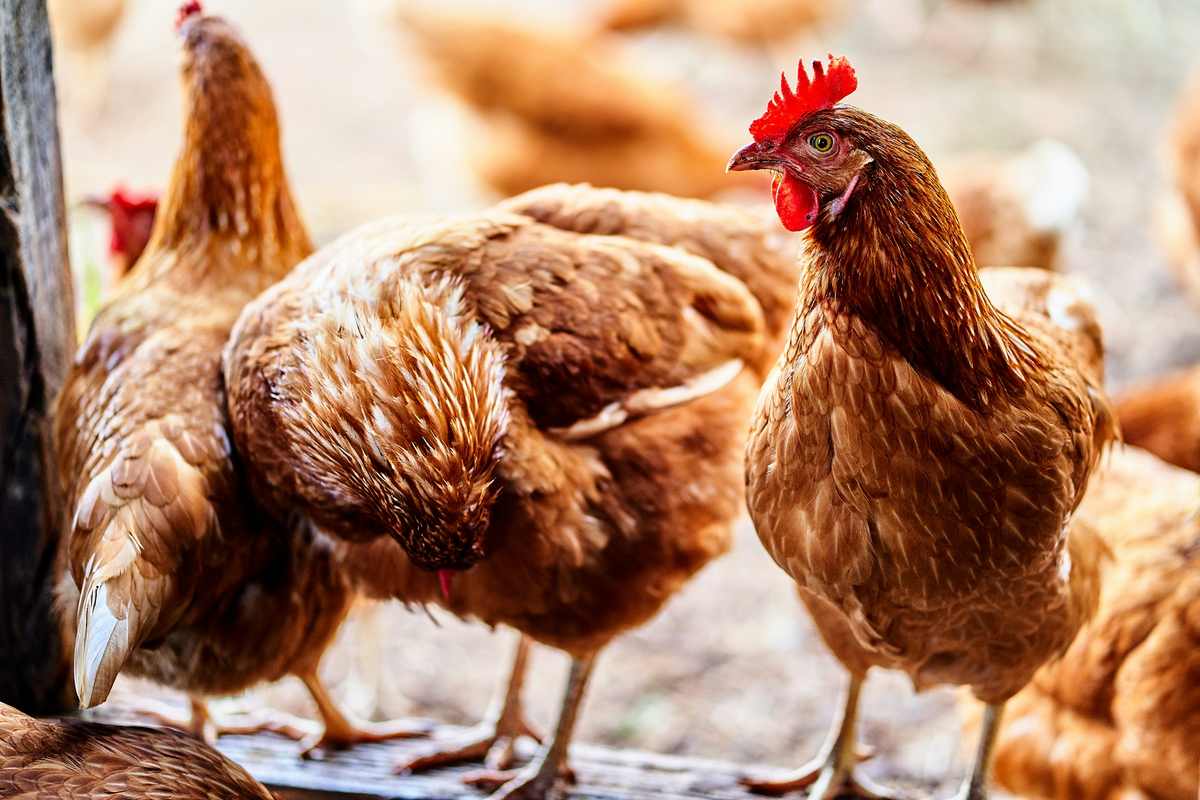
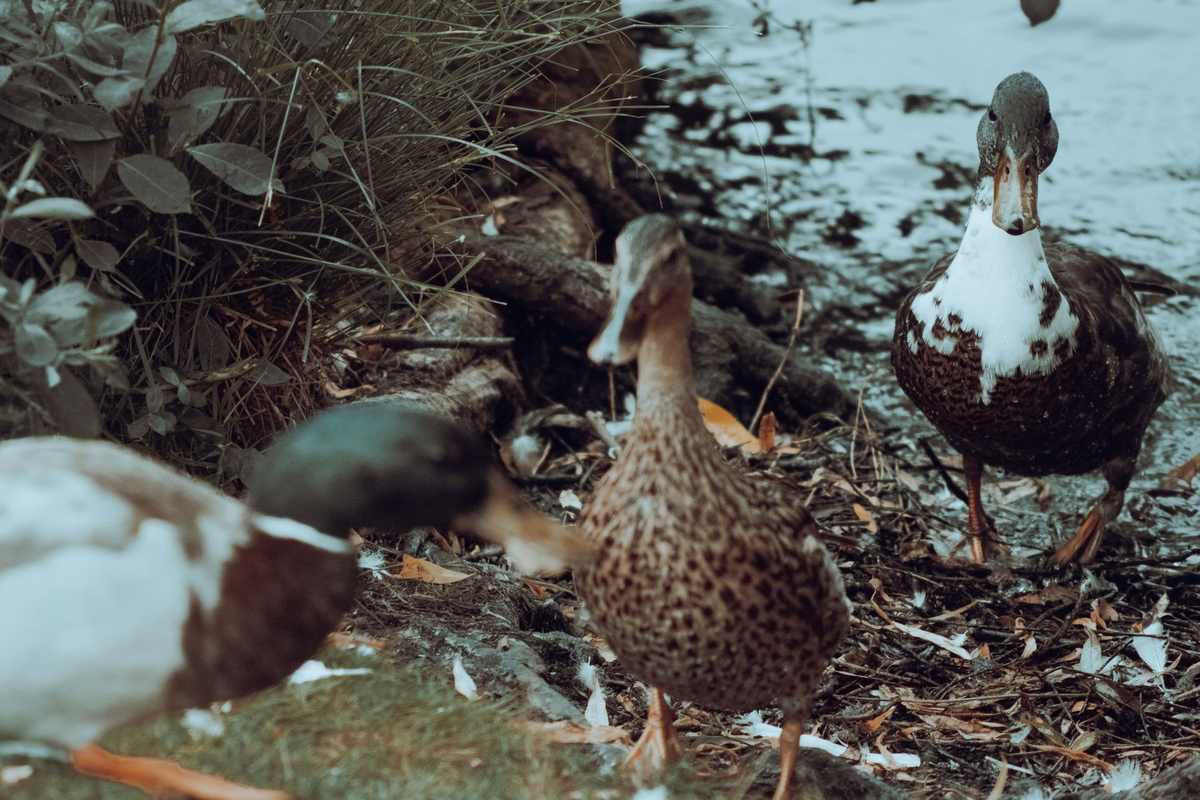
Categories
Farm Feed

What Do Chickens Eat? A Complete Feeding Guide

Chickens are omnivores, and a healthy flock diet is roughly 90% complete formulated feed plus whatever the birds forage themselves, with treats and kitchen scraps making up the small remainder. The feed does the nutritional work; everything else is enrichment.

That 90% figure is the part people tend to get wrong. Scraps and scratch feel generous, but they dilute a carefully balanced ration, and the first thing to suffer is usually eggshell quality.

What Chickens Eat Naturally

A foraging chicken spends most of its day scratching through leaf litter and topsoil hunting insects, worms, grubs, seeds and green shoots. They are genuinely opportunistic, a free-ranging hen will take small frogs, mice and just about any insect she can catch.

This is why chickens do so well on pasture, and why free-range birds often show deeper yolk colour: the carotenoids come from greens and insects, not from the pellets.

The Base: Complete Feed

Formulated feed is designed to supply everything a chicken needs in the right proportions, and which one you buy depends entirely on the bird’s stage of life.

Feed typeForTypical protein
StarterChicks, 0–6 weeks20–24%
GrowerPullets, 6–16 weeks16–18%
LayerHens in lay, 16+ weeks16–18% plus added calcium
Broiler / meat birdBirds raised for meat20–22%
All-flock / flock raiserMixed-age or mixed-species flocks18–20%, calcium offered separately

The critical rule is that layer feed should not be fed to birds that are not laying. Its calcium level is set for eggshell production, and that much calcium is hard on the kidneys of chicks, growing pullets and roosters. In a mixed-age flock, feed all-flock and offer oyster shell separately so the laying hens can self-select.

For specific product picks, see our roundup of the best chicken feed for backyard flocks, and how to choose a chicken feeder for keeping it clean and off the ground.

Grit and Calcium: The Two Extras

Chickens have no teeth. They swallow food whole and grind it in the gizzard using small stones they have eaten deliberately, which is what grit is. Birds with access to bare ground usually find their own; birds kept on grass, in a run, or fed anything beyond pellets need it supplied.

Calcium is the other one. A laying hen puts a remarkable amount of calcium into shells, and layer feed alone is not always enough for a heavy layer. Crushed oyster shell offered free-choice in its own container lets each bird take what she needs. Thin, soft or shell-less eggs are the usual first sign that she is not getting enough.

Quick Facts: Grit vs Oyster Shell

  • Grit is insoluble stone for grinding food in the gizzard
  • Oyster shell is soluble calcium for eggshells, it is not grit
  • They do different jobs and do not substitute for each other
  • Offer both free-choice in separate dishes, never mixed into feed
  • Birds on bare ground often find their own grit; penned birds need it supplied

Kitchen Scraps and Treats

Most vegetable and grain scraps are fine, and chickens are excellent at turning kitchen waste into eggs. Leafy greens, squash, cooked rice and pasta, oats, melon, berries and most cooked vegetables all go down well. Scratch grain is best thought of as a treat rather than a feed, it is largely carbohydrate and it will dilute the ration if it becomes a staple.

Keep the total from all treats to around 10% of intake. Beyond that you are meaningfully changing the nutritional balance of a ration that was designed as a complete diet.

What Not to Feed Chickens

AvoidWhy
Avocado (skin and pit especially)Persin is toxic to birds
Dried or raw beansContain lectins that are highly toxic until fully cooked
Anything mouldy or rottenMycotoxins cause illness and can be fatal
Chocolate and caffeineTheobromine and caffeine are toxic to poultry
Very salty or heavily processed foodChickens tolerate salt poorly
Raw potato peel, especially if greenSolanine is toxic
Onions in quantityCan damage red blood cells and taint eggs

There is also a legal point worth knowing: in many places it is illegal to feed meat or kitchen scraps that have been in contact with meat to poultry, under the same disease-control rules that apply to pigs. Check your state or national guidance before feeding anything from a meat-handling kitchen.

The Bottom Line

Buy the right feed for the birds’ life stage, offer grit and oyster shell free-choice, let them forage as much as your setup allows, and keep treats to roughly a tenth of the diet. That covers almost everything a backyard flock needs.

If you are just getting started, our guide to getting started with raising chickens covers the rest of the setup, and poultry farming for beginners goes wider. Browse the full farm feed hub.

Other feeding guides in this group (poultry and waterfowl): ducks eat, geese eat, turkeys eat. Or start from the overview of what most farm animals eat.

What do chickens eat naturally?

Foraging chickens eat insects, worms, grubs, seeds, green shoots and leaf litter, and will take small frogs or mice opportunistically. That natural diet is why pastured birds often have deeper-coloured yolks.

Can chickens eat kitchen scraps?

Most vegetable and grain scraps are fine, including greens, squash, cooked rice and pasta, oats and most cooked vegetables. Keep all treats to about 10% of total intake so they do not dilute the balanced feed, and check local rules about scraps from meat-handling kitchens.

Do chickens need grit?

Yes, unless they have free access to bare ground where they can find their own. Chickens have no teeth and grind food in the gizzard using swallowed stones. Birds kept on grass or in a run need grit supplied separately.

Is grit the same as oyster shell?

No, and they are not interchangeable. Grit is insoluble stone used to grind food. Oyster shell is soluble calcium used to build eggshells. Offer both free-choice in separate dishes.

Can I feed layer feed to my whole flock?

Not if the flock includes chicks, growing pullets or roosters. Layer feed’s calcium level is set for laying hens and is hard on the kidneys of non-laying birds. Use an all-flock feed and offer oyster shell separately instead.

What foods are toxic to chickens?

Avoid avocado, dried or raw beans, chocolate and caffeine, anything mouldy, green potato peel, very salty food, and large amounts of onion.

Categories
Farm Feed

What Do Ducks Eat? A Complete Feeding Guide

Ducks are omnivores. In practice that means a base of formulated waterfowl or poultry feed, topped up with leafy greens, peas, grains, and all the slugs, snails and worms they can find themselves. What they should not live on is bread, which is the single most common feeding mistake people make with ducks.

The other thing that separates ducks from chickens is niacin. Ducks need noticeably more of it, and ducklings that do not get enough develop leg and joint problems that are difficult to reverse. That one nutrient shapes most of the practical advice below.

What Ducks Eat Naturally

Left to themselves, ducks forage constantly. They dabble in shallow water for duckweed, algae and aquatic insects, strip seeds from grasses, and hunt slugs, snails, worms and beetle larvae across damp ground. A duck working a vegetable patch is doing genuine pest control, which is one of the better arguments for keeping them alongside a garden.

That foraging instinct is worth designing around rather than fighting. Ducks with access to grass and damp ground will supply a real share of their own protein in the warmer months, and they will eat slugs that would otherwise cost you seedlings.

What to Feed Ducks Day to Day

The base of the diet should be a formulated feed. Waterfowl feed is ideal; a general poultry or flock-raiser feed works too, with the niacin caveat below. Everything else is a supplement to that base, not a replacement for it.

  • Leafy greens. Lettuce, kale, chard, cabbage and weeds from the yard, chopped so they are easy to swallow.
  • Peas and corn. Frozen peas thawed in water are close to a universal duck favourite and a genuinely good treat.
  • Grains. Cracked corn, wheat, barley and cooked oats, fed in moderation rather than as a staple.
  • Protein. Slugs, snails, worms and insects, mostly self-collected. Mealworms are a useful supplement during moult.
  • Vegetable scraps. Most non-toxic vegetable trimmings are fine, chopped small.

Ducks need water available whenever they are eating. They swallow by washing food down, and a duck with feed but no water can choke. A shallow, stable water source next to the feeder solves it, see our guide to choosing a water trough if you are setting up something more permanent.

Why You Should Not Feed Ducks Bread

Bread is not poisonous, which is why the myth survives. The problem is that it is nutritionally empty and extremely filling. Ducks that fill up on bread eat less of what they actually need, and the effect compounds fastest in growing birds.

In young waterfowl this shows up as angel wing, a deformity where the wing joint twists outward and the flight feathers splay sideways instead of lying flat. It is associated with diets too high in carbohydrate and too low in the nutrients growing birds need. Once the bone has set, it does not correct.

The same logic rules out crackers, chips, popcorn and most other bread-adjacent human snacks. If you want to feed ducks at a pond, thawed peas, chopped greens, oats or birdseed all do the job without the downside.

Niacin: The One Nutrient Ducks Need More Of

Ducks require more niacin (vitamin B3) than chickens do, and ducklings are the most vulnerable. A deficient duckling develops bowed legs, swollen hock joints, reluctance to walk and stunted growth. Caught early it is correctable; left too long it is not.

This matters most if you are raising ducklings on chick starter, which is formulated for chickens and is often short of niacin for waterfowl. The standard fix is brewer’s yeast, roughly a pound stirred through a 40-pound bag of chick starter. Feed stores also sell waterfowl-specific starter, which avoids the problem entirely and is the simpler option if you can get it.

Quick Facts: Feeding Ducklings

  • Ducklings need more niacin than chicks do
  • Use waterfowl starter where available
  • On chick starter, supplement with brewer’s yeast (~1 lb per 40 lb feed)
  • Deficiency signs: bowed legs, swollen hocks, difficulty walking
  • Always provide water alongside feed, ducks need it to swallow

Foods That Are Toxic or Unsafe for Ducks

The list is short but worth knowing, because several items are common in gardens and kitchens.

AvoidWhy
Bread, crackers, chips, popcornNutritionally empty, linked to angel wing in growing birds
Citrus and mangoCan interfere with calcium absorption and cause digestive upset
Apple, cherry, peach and apricot pitsContain compounds that release cyanide
OnionsCan damage red blood cells in quantity
AvocadoPersin is toxic to most birds
Tulips, lilies, irises, buttercups, poppies, sweet peasOrnamental plants toxic to ducks
Anything mouldyMycotoxins are dangerous and sometimes fatal
Dried or raw beansContain lectins that are toxic until properly cooked

Apple flesh is fine, it is only the seeds that are a problem, so core apples before sharing them. The same applies to stone fruit: the flesh is safe, the pit is not.

Feeding Ducks Through the Seasons

Duck appetite tracks the weather and the laying cycle. In summer, foraging supplies a real share of their intake and you may find feed consumption drops noticeably. Through winter, foraging all but disappears and they will need more feed, along with a reliable unfrozen water source.

Laying ducks need extra calcium, usually free-choice crushed oyster shell offered in a separate dish rather than mixed into feed, so birds can take what they need. During the autumn moult, protein requirements rise while laying stops, and a slightly higher-protein feed or a few extra mealworms helps them regrow feathers.

If you are raising ducks for the table as well as for eggs, our guide to raising ducks for eggs and meat covers how those goals change your feeding plan, and duck breeds for beginners covers which breeds suit which purpose.

The Bottom Line

Feed a proper waterfowl or poultry ration as the base, make sure ducklings get enough niacin, keep water beside the feed at all times, and let the birds forage for as much of their own protein as your setup allows. Treats are fine in moderation, as long as bread is not one of them.

For how duck nutrition compares with the rest of the yard, see our overview of what most farm animals eat, or browse the full farm feed hub.

Other feeding guides in this group (poultry and waterfowl): chickens eat, geese eat, turkeys eat. Or start from the overview of what most farm animals eat.

What do ducks eat naturally?

In the wild ducks eat duckweed, algae, aquatic insects, grass seeds, slugs, snails, worms and beetle larvae. Domestic ducks with access to grass and damp ground will still forage for a good share of their own protein in warmer months.

Can ducks eat bread?

They can swallow it, but they should not be fed it. Bread is nutritionally empty and very filling, so ducks eat less of what they actually need. In growing birds it is associated with angel wing, a permanent wing deformity. Thawed peas, chopped greens or oats are far better pond treats.

What should I feed ducklings?

Waterfowl starter feed is best. If you only have chick starter, supplement it with brewer’s yeast at roughly one pound per 40-pound bag, because ducklings need more niacin than chicks and deficiency causes bowed legs and swollen joints.

Do ducks need water to eat?

Yes. Ducks wash food down as they swallow, so feed should always be offered alongside a water source deep enough for them to dip their bills. A duck eating dry feed without water available can choke.

What foods are toxic to ducks?

Avoid citrus, mango, avocado, onions, dried or raw beans, anything mouldy, and the pits of apples, cherries, peaches and apricots. Several common ornamentals are also toxic, including tulips, lilies, irises and buttercups.

Do laying ducks need extra calcium?

Yes. Offer crushed oyster shell free-choice in a separate dish rather than mixing it into feed, so birds can take as much as they need and non-laying birds are not over-supplemented.

Categories
Farm Feed

Best Chicken Feed: 3 Top Picks for Backyard Flocks

Walk into any feed store and you’ll find a wall of bags all claiming to be the best chicken feed for your flock. The truth is there isn’t one single best option — the right chicken feed depends on your birds’ age, whether they’re laying, and how much you want to spend.

What matters most is matching the feed to the life stage of your flock and making sure it delivers enough protein and calcium to keep hens laying well. This guide covers what to look for, the difference between layer feed and starter/grower feed, and three real chicken feed products worth putting in your coop.

If you want the bigger picture on feed categories across every animal on the farm, our guide to the different types of animal feed is a good starting point, and our breakdown of what most farm animals eat covers chickens alongside the rest of your livestock. This post is the specific, product-level deep dive neither of those covers.

Categories
Farm Feed

Goat Feed Guide: What to Feed Kids, Does, and Bucks

Once you’ve settled on a breed — whether that’s a meat goat, a dairy goat, or one of the smaller dual-purpose breeds — the next question is almost always the same: what should you actually be feeding it?

Goat feed isn’t one-size-fits-all. What a doe needs while nursing kids is very different from what a browsing buck needs the rest of the year, and one of the most common beginner mistakes — feeding sheep mineral to goats — can quietly make your goats sick over time.

This guide covers goat feed basics by life stage, how hay, pellets, and browse fit together, and why copper matters so much more for goats than most beginners realize.

Categories
Farm Feed

What Do Farm Animals Eat? A Guide to Feeding Every Species

If you’re a small farm owner or a homesteader, maintaining the well-being of your farm animals is crucial.

Ensuring they receive proper nutrition not only contributes to their overall health but also plays a vital role in providing us with essential carbohydrates, vitamins, minerals, and proteins. This guide covers what to feed by animal — pigs, chickens, cows, and geese. For a breakdown of feed by type instead (concentrates, roughages, grains), see our guide to animal feed types.

This post will dive into various farm animals’ dietary requirements, focusing on small-scale farm and homestead animals.

Join us as we explore the importance of a balanced diet for our hardworking farm friends, and gain valuable insights to help you optimize their care and productivity. Let’s get started! 

Categories
Farm Feed

Fodder Types Explained and How to Know Which You Should Use

Taking proper care of your farm’s livestock is of the utmost importance for their well-being and success.

Green fodder production can provide a cost-effective solution to ensure they get all the nutrients they need.

Cereal grains and legumes are ideal for growing nutritious fodder that will help keep your animals healthy and strong.

Not sure where to begin when it comes to producing green fodder? We’re here to help – our guide has everything you need to know about creating a nourishing feed for your animals quickly and easily.

With just a little bit of effort, lush, nutritious feed will be within reach in no time!

Categories
Farm Feed

The Best Ways to Sort Out Your Farm Feed Storage

Farm feed storage is a crucial aspect of keeping livestock and animal feed stocked for a long period of time. But that’s not the only reason why you would want to store the feed.

When you keep your animal feeds out in the open, it allows some uninvited rodents and vermin to take them over.

They usually attack the feedstuff and leave it in ruins. So, it’s essential to maintain a solid plan for storing feeds to protect the quality of the feed itself.

Feed storage comes in many forms, from bulk bins to silos to large metal silos. The proper kind will depend on how much animal feed you need to store — and on the type of fodder you’re keeping, since different feeds have different moisture and temperature requirements. Besides, to store animal feed safely on a large scale, it’s crucial to consider the type of container that best suits your needs.

With multiple DIY methods as well as ready-made purchase options — many available through your local farm supplies store — you can now easily keep your farm feeds safe and secure from rodents.

Here are our best recommendations for feed storage that you would definitely want to try out. Let’s get started!

Categories
Farm Feed

The Different Types of Animal Feed

The need for feed supplements for domesticated livestock has always been in high demand. It acts as a pure nutritional resource for farm animals that fills in the lacking of nutrition in their regular diets. But there are different types of animal feed available in today’s feed industry that don’t get along with every livestock.

For instance, raw corn and soybean meal is an excellent choice to feed domesticated livestock. But at the same time, if you serve the same feed to poultry animals, their digestive tract will negatively react to it.

Essentially, livestock and poultry feed are not the same, nor do any other types of feed. So, It’s better if you understand each of the animal feed classifications first. This guide breaks feed down by type — concentrates, roughages, grains, and by-products. If you’re looking for what to feed a specific animal instead, see our guide on what most farm animals eat.

We have created an information-packed guide on the different types of feeds and their purposes to help you decide which feed best suits your farm’s needs!

Categories
Farm Feed

Grow your own Livestock Feed with Crops

Raising livestock and poultry may be very rewarding and offers many benefitshomesteads, however, frequently run into issues with the cost of the feed.

What can you grow for your own livestock feed? This might have crossed your thoughts if you have a tight budget or are just starting.

Not only does growing your animal feed help you save money, but it also improves animal health and provides a safe, organic livestock diet.

Let’s discover what you can plant for animal feed and how to prepare it to grow livestock feed easier!