My name is Zoe. I'm the Editor here at Urban Farm Store. I'm completely in love with our farm and my cute little garden! I hope to make the world a better place by minimising my own impact on the environment. Let me teach you how!
Growing plants from cuttings is one of the most rewarding skills any homesteader or home gardener can learn. Instead of buying new plants every season, you take a small piece of a healthy plant — a stem, a leaf, or a root — and grow an identical plant for free.
It sounds simple because it is. Propagation from cuttings works for a huge range of garden plants — herbs, ornamentals, fruit shrubs, houseplants, and even some vegetables. Some plants root directly in water; others need soil and a touch of rooting hormone. Either way, once you understand the basics, the results are surprisingly reliable.
This guide walks you through every method — soil and water propagation, the different cutting types, how to boost success with rooting hormone, the best times of year to take cuttings, and how to troubleshoot when things go wrong.
Fruit flies seem to appear out of nowhere — circling your kitchen fruit bowl, hovering around your compost bin, or swarming over garden crops. They’re one of the most persistent household and garden pests, and once they take hold, a few flies can become an infestation within days.
In this guide, we cover the most effective methods to get rid of fruit flies — DIY traps you can make in minutes, store-bought solutions, and how to tackle specific problem areas like kitchen drains, home and garden, and outdoor crops. We also cover prevention so they don’t come back.
Picking the right animals is the single biggest decision a new small farmer or homesteader makes. Get it right and you’re set for years. Get it wrong and you burn out before year two.
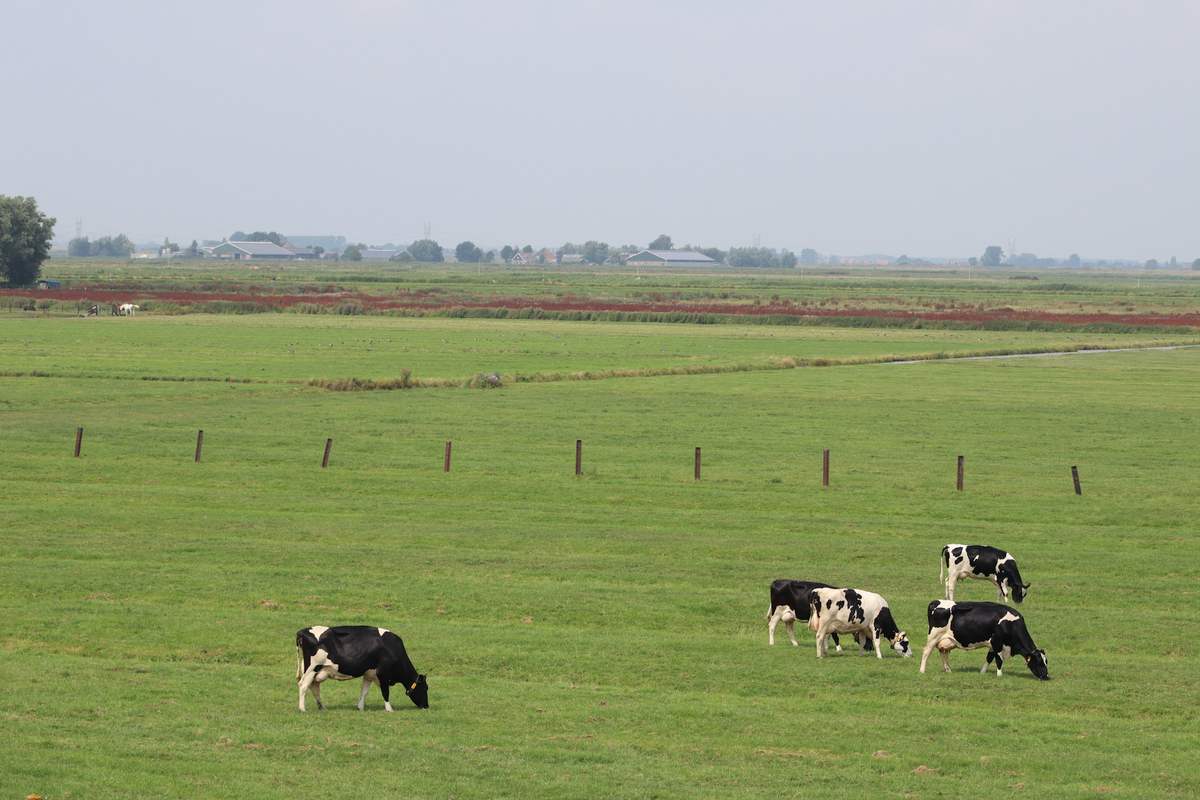
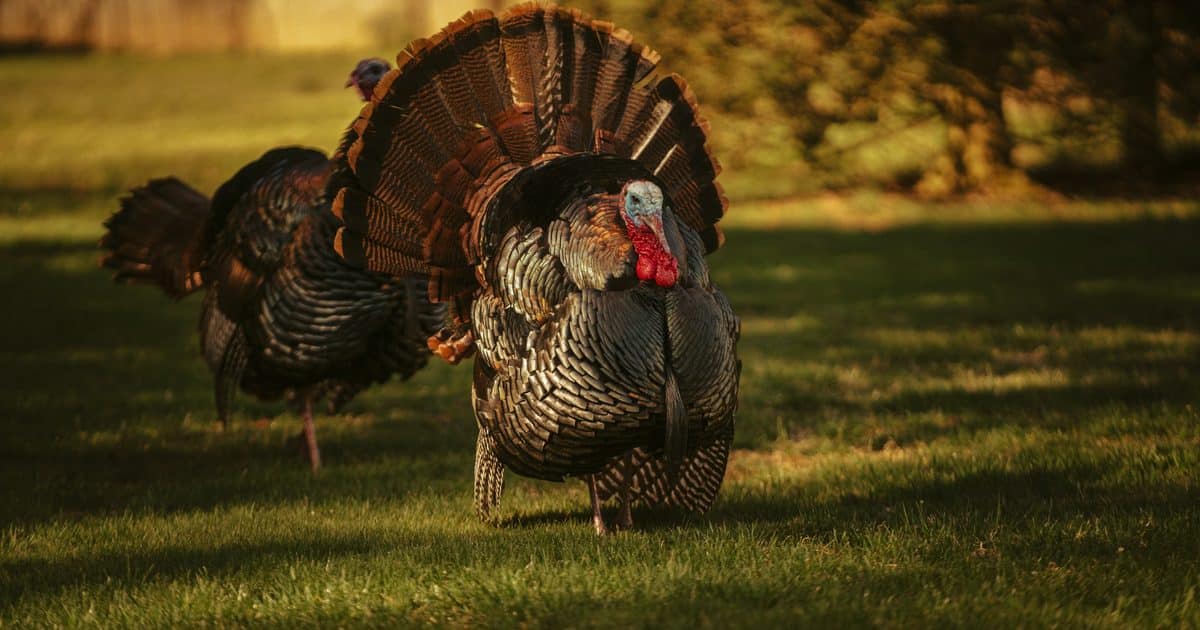
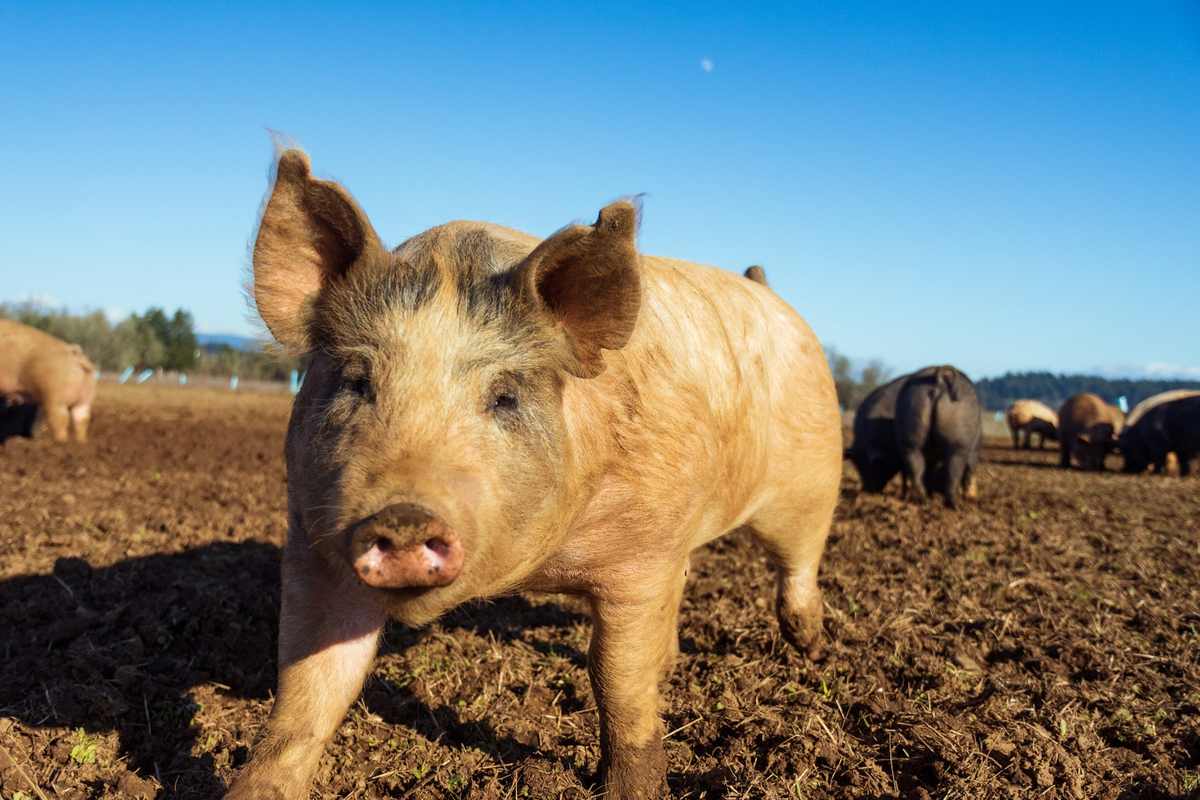
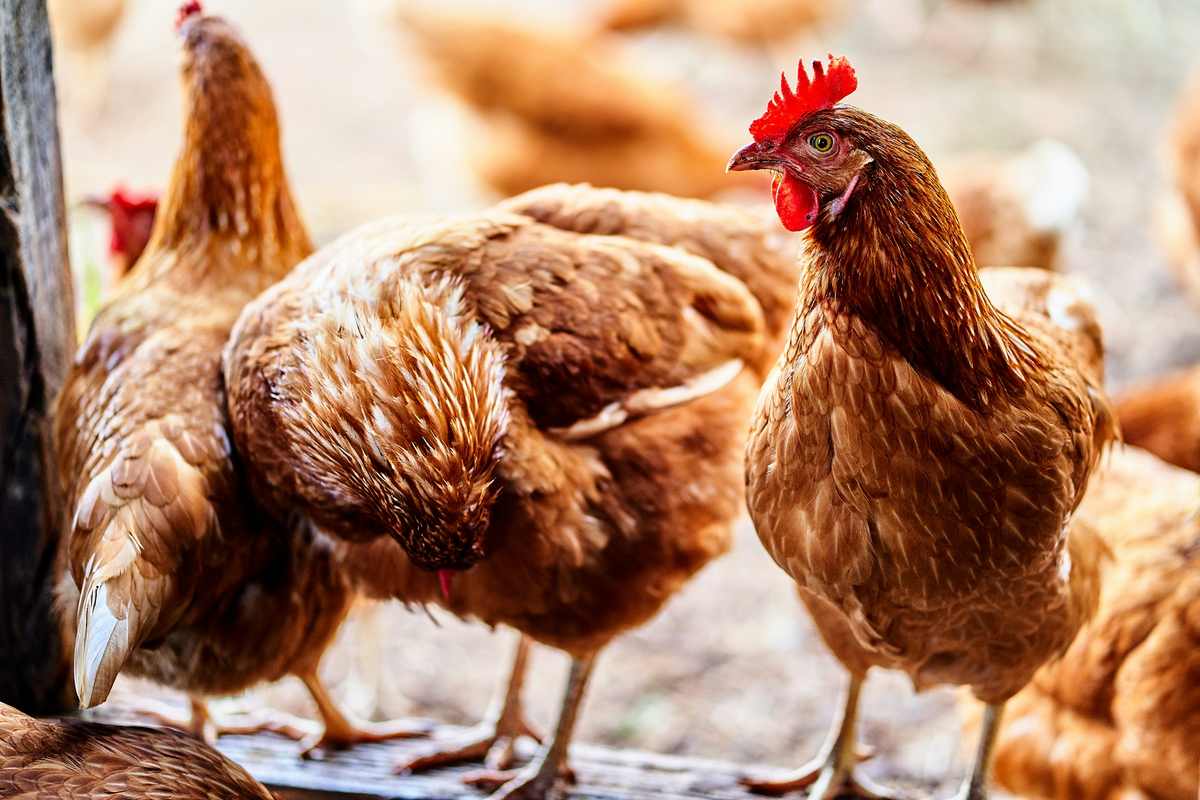
The easiest small farm animals for beginners are chickens, rabbits, and honey bees. They take up little space, need modest infrastructure, and produce useful output (eggs, meat, pollination, honey) within weeks or months. Goats, ducks, sheep, pigs, and miniature cattle all work too, but they demand more fencing, more feed, and more time.
This guide ranks the best beginner farm animals by space needs, cost, effort, and profitability, and flags the mistakes first-time owners make. Whether you’ve got a half-acre backyard or a 10-acre homestead, there’s a sensible starting point here.
Permaculture is one of those words that gets tossed around in farming and gardening circles, but few people can explain exactly what it means or how to put it into practice. At its core, permaculture is a design system for creating agricultural ecosystems that are productive, sustainable, and largely self-maintaining. Instead of fighting nature with chemicals and heavy machinery, you work with natural patterns to build something that feeds you while regenerating the land.
Whether you are planning a backyard garden or mapping out a multi-acre homestead, understanding permaculture principles can save you time, money, and a lot of wasted effort. This guide covers what permaculture is, how its core principles and zones work, and practical steps to start your own permaculture garden.
What is Permaculture?
Permaculture is a design philosophy for building human habitats that mimic the patterns and relationships found in natural ecosystems. The word itself combines “permanent” and “agriculture” and was coined by Australian ecologist Bill Mollison and his student David Holmgren in the late 1970s.
The idea is straightforward: nature has spent billions of years optimizing how ecosystems work. Forests do not need tilling, fertilizing, or pest control, yet they produce massive amounts of biomass year after year. Permaculture takes those natural strategies and applies them to how we grow food, manage water, build soil, and organize our land.
The three ethical pillars of permaculture are:
Care for the earth by protecting soil, water, and biodiversity
Care for people by providing for basic human needs
Fair share by returning surplus to the system and limiting consumption
Recent research backs up the approach. A 2024 study published in Communications Earth & Environment found that permaculture sites showed 27% higher soil carbon stocks than conventional fields, 201% more earthworms, and 457% greater plant species richness. Bird species diversity was nearly three times higher on permaculture land compared to conventional farmland in the same region.
Permaculture design is guided by a set of principles that apply whether you are working with a quarter-acre backyard or a 50-acre farm. These are the most important ones to understand before you start planning.
Observe and Interact
Before you change anything, spend time watching how your land works. Where does water flow after rain? Which areas get full sun versus shade? Where does frost settle first? A full year of observation before making major changes will save you from costly mistakes. Understanding your land’s natural patterns is the foundation of every good permaculture design.
Catch and Store Energy
This principle is about capturing resources when they are abundant so you can use them during lean times. Practical examples include harvesting rainwater with rain barrels or cisterns, using solar panels for energy, preserving your harvest through canning and drying, and building soil organic matter that holds moisture through dry spells.
Produce No Waste
In a well-designed permaculture system, nothing is wasted because every output becomes an input for something else. Kitchen scraps become compost. Compost feeds the garden. The garden feeds you. Animal manure fertilizes crops. Pruned branches become mulch or firewood. The goal is closed-loop cycles where waste simply does not exist.
Design from Nature
Nature is incredibly efficient, and permaculture design aims to replicate those patterns. Companion planting, where you grow plants together because they benefit each other, is one of the most common applications. For example, the “Three Sisters” guild of corn, beans, and squash has been used by Indigenous farmers for centuries because each plant supports the others.
Integrate Rather than Segregate
In nature, everything is connected. Permaculture design mimics this by placing elements so they support each other. Chickens in the garden eat pests and fertilize the soil. Fruit trees shade heat-sensitive crops underneath. A pond attracts beneficial insects that pollinate your vegetables. When each element serves multiple functions and connects to others, the whole system becomes more resilient than its individual parts.
Use Small and Slow Solutions
Big projects often have unintended consequences. Permaculture encourages starting small, observing the results, and scaling up gradually. Plant a few raised garden beds before converting your whole yard. Try one new technique per season rather than overhauling everything at once. Patience is a core skill in permaculture.
Use Edge Effects
The edges where two ecosystems meet (forest and meadow, land and water, sun and shade) are among the most productive zones in nature. They host more species and more activity than the interior of either system. In permaculture design, you can maximize these edges by creating curved garden beds instead of straight rows, building ponds with irregular shorelines, and planting hedgerows along property boundaries.
Use Biological Resources
Wherever possible, use living systems instead of synthetic inputs. Homemade compost instead of chemical fertilizer. Ducks instead of slug pellets. Nitrogen-fixing cover crops instead of synthetic nitrogen. Biological resources are renewable, self-replicating, and build ecosystem health over time rather than degrading it.
The Five Zones of Permaculture
One of the most practical tools in permaculture design is the zone system. Zones organize your land based on how often you need to visit and interact with each area. Elements that need daily attention go close to the house; those that need little or no maintenance go furthest away. This saves energy, time, and frustration.
Zone 0: The Home
Zone 0 is the house itself, including energy efficiency, water conservation, and waste reduction within the living space. Decisions here (like placing windows for passive solar heating or setting up a kitchen composting station) ripple out into every other zone.
Zone 1: The Kitchen Garden
The area immediately around your home. This is where you put things you interact with daily: herb gardens, salad greens, a small chicken coop for eggs, a worm bin, and seedling nurseries. If you only have a small backyard, Zone 1 might be your entire permaculture system.
Zone 2: The Orchard and Perennials
Semi-intensively managed areas that you visit every few days. Fruit trees, berry bushes, larger vegetable beds, beehives, and small livestock pens typically live here. A proper irrigation system helps keep maintenance manageable in this zone.
Zone 3: The Farm
The main production area for field crops, larger livestock, and staple foods. This zone is managed but less intensively, with visits weekly or as needed. Cover crops, crop rotation, and mulching reduce the need for constant attention. If you are growing profitable crops at any scale, they likely live in Zone 3.
Zone 4: Woodland and Forage
A semi-wild area used for timber, firewood, wild foraging, and free-range grazing. You visit occasionally to harvest or do light management, but the system is mostly self-sustaining.
Zone 5: Wilderness
Completely unmanaged natural area. Zone 5 exists for observation and learning. It is your reference ecosystem, the place where you watch how nature solves problems so you can apply those lessons back in Zones 1 through 4.
Key Permaculture Techniques
Beyond the principles and zones, permaculture uses several specific techniques that you can start applying right away on your farm or in your garden.
Food Forests
A food forest mimics the structure of a natural woodland using seven layers of edible plants: canopy trees (like walnuts or chestnuts), understory trees (like apples or plums), shrubs (like blueberries or currants), herbaceous plants (like comfrey or rhubarb), ground covers (like strawberries or clover), vines (like grapes or kiwi), and root crops (like garlic or potatoes). Once established, a food forest produces food year after year with minimal maintenance.
Plant Guilds
A guild is a group of plants deliberately placed together because they help each other thrive. A classic example is the apple tree guild: the apple tree provides the canopy, comfrey planted beneath it mines deep nutrients and provides mulch when cut, nasturtiums attract beneficial insects, garlic chives repel pests, and clover fixes nitrogen into the soil. Each plant has a job, and together they outperform any single plant growing alone.
Swales and Water Harvesting
A swale is a shallow trench dug along the contour of a slope with a raised berm on the downhill side. When it rains, the swale catches runoff and holds it, allowing the water to slowly soak into the soil rather than washing away. Trees and shrubs planted on the berm benefit from this stored moisture. Over time, swales can make land drought-resistant without any irrigation infrastructure. Combined with rain barrels and roof catchment, water harvesting can dramatically reduce your dependence on external water sources.
Sheet Mulching
Also called lasagna gardening, sheet mulching is a no-dig method for building fertile soil on top of existing ground (even a lawn). You layer cardboard or newspaper over the ground to suppress weeds, then pile on alternating layers of compost, manure, straw, leaves, and other organic matter. Within a few months, you have rich, plantable soil without ever touching a rototiller. It is one of the fastest ways to convert unused land into productive garden space.
Benefits of Permaculture
Why go through the effort of designing a permaculture system when you could just plant a regular garden? Because the returns compound over time in ways that conventional gardening cannot match.
Less work over time. Permaculture systems are front-loaded: you invest more effort in the design and setup phase, but once established, they require far less ongoing maintenance than conventional gardens. Perennial plants, self-seeding annuals, and natural pest control all reduce the amount of weekly labor.
Better soil health. Research shows permaculture sites have significantly higher soil carbon, lower compaction, and dramatically more earthworm activity. Healthy soil means healthier plants, better water retention, and fewer pest problems.
Water efficiency. Between swales, mulching, and strategic plant placement, permaculture systems can reduce water usage by 30% or more compared to conventional approaches. In drought-prone areas, this can be the difference between a harvest and a failed season.
Biodiversity. The multi-layered planting approach supports far more species of plants, insects, and birds than monoculture farming. That biodiversity is not just good for the environment; it actively protects your crops by maintaining natural pest predators and pollinators.
Resilience. Diverse systems are harder to knock out. If one crop fails, others pick up the slack. If pests target one species, their predators (supported by the broader ecosystem) help keep populations in check.
Lower costs. By producing your own compost, saving seeds, harvesting rainwater, and relying on biological pest control, you dramatically reduce the need for purchased inputs over time.
How to Start a Permaculture Garden
Ready to put these ideas into practice? You do not need a lot of land or money to get started. Here is a step-by-step approach that works whether you have a small backyard or several acres.
Organic matter: wood chips, leaves, straw, or green manure crops
A mix of perennial and annual seeds or seedlings
Cardboard or newspaper for sheet mulching
Step 1: Observe Your Site
Spend at least one full season watching your land before you make permanent changes. Map where sunlight falls at different times of day, where water collects or drains, which direction the prevailing wind comes from, and where frost sits longest. Take notes and sketch a rough site map. This observation period is the single most valuable step in the entire process.
Step 2: Set Goals and Create a Design
Decide what you want from your permaculture system. Food production? Wildlife habitat? Both? Then sketch a zone map of your property, placing the most labor-intensive elements (herb garden, salad beds, compost bin) closest to the house and lower-maintenance elements further out. Your design does not need to be perfect. Start with the broad strokes and refine as you learn.
Step 3: Build Your Soil
Healthy soil is the engine of any permaculture system. Start by sheet mulching your planting areas: lay cardboard over existing grass or weeds, then pile on 6 to 12 inches of organic matter (compost, aged manure, leaf mold, straw). This smothers weeds, feeds soil biology, and creates a rich planting medium without any digging. You can also make your own fertilizer from kitchen scraps and garden waste.
Step 4: Choose Your Plants
Select a mix of perennials (fruit trees, berry bushes, herbs) and annuals (vegetables, salad greens) suited to your climate zone. Think in guilds rather than rows: group plants that benefit each other and fill different layers of the canopy. Check our guide to optimizing seeds for different seasons for help with timing.
Step 5: Maintain and Adapt
Permaculture gardens need less maintenance than conventional gardens, but they are not zero-effort. Water regularly during establishment, keep mulch topped up, and observe what is working and what is not. The first year or two will involve the most hands-on time. After that, your system starts doing more of the work for you as perennials mature and soil biology builds.
Permaculture is not a rigid set of rules. It is a way of thinking about land, food, and resources that works with natural systems instead of against them. The principles are universal, but every permaculture design is unique because every site, climate, and set of goals is different.
If you are just getting started, focus on the basics: observe your land, build your soil, plant diverse species, and start small. A single well-designed garden bed using permaculture principles will teach you more than any book. From there, you can expand zone by zone as your confidence and your soil grow together.
Permaculture is a design system for creating agricultural ecosystems that are sustainable and self-sufficient. It is founded on ecological principles and strives to develop productive, effective, and resilient systems. The objective is to satisfy human needs while protecting and regenerating the natural world. Permaculture design principles can be applied to all aspects of human habitation, including food production, housing, energy consumption, waste management, and economic systems.
What is an example of permaculture?
Common examples include food forests with multiple layers of edible plants, backyard gardens using companion planting guilds, rainwater harvesting with swales and rain barrels, sheet mulching to build soil without digging, and integrating chickens into garden systems for pest control and fertilization.
What are the five zones in permaculture?
Permaculture uses six zones (0 through 5) organized by how often you interact with each area. Zone 0 is the home. Zone 1 is the kitchen garden right outside your door. Zone 2 is the orchard and perennial area. Zone 3 is the main farming zone. Zone 4 is semi-wild woodland for foraging and timber. Zone 5 is unmanaged wilderness kept for observation and learning.
What is the difference between agriculture and permaculture?
In conventional agriculture, the land is managed primarily to maximize crop yield using monocultures, heavy machinery, and chemical inputs. Permaculture takes a more holistic approach, designing diverse ecosystems that produce food while regenerating soil, conserving water, and supporting biodiversity. The key difference is that permaculture works with natural patterns rather than overriding them.
How do I start a permaculture garden from scratch?
Start by observing your site for at least one season to understand sun, water, wind, and frost patterns. Then create a simple zone map and design. Build your soil using sheet mulching (cardboard topped with layers of compost and organic matter). Choose a mix of perennial and annual plants suited to your climate, and group them in companion planting guilds. Start small and expand as you learn what works on your land.
How do I turn my lawn into a permaculture garden?
The easiest method is sheet mulching. Lay overlapping cardboard directly on your lawn (no need to remove the grass), then pile on 6 to 12 inches of compost, aged manure, straw, and leaf mold. Within a few months the grass underneath will decompose, leaving you with rich, plantable soil. From there, plant a mix of food-producing perennials and annuals arranged in guilds.
How much does it cost to start a permaculture farm?
Costs vary widely depending on scale. A backyard permaculture garden can be started for under $200 using free cardboard, homemade compost, and seed-saved plants. A larger homestead-scale setup with fruit trees, irrigation, and fencing might run $2,000 to $10,000. Commercial permaculture farms require significantly more investment for land preparation, planting stock, and infrastructure. The good news is that ongoing costs drop substantially once the system is established, since permaculture reduces the need for purchased inputs over time.
Related: Permaculture polycultures overlap heavily with multiple cropping and intercropping – both systems aim to stack more output onto the same piece of land.
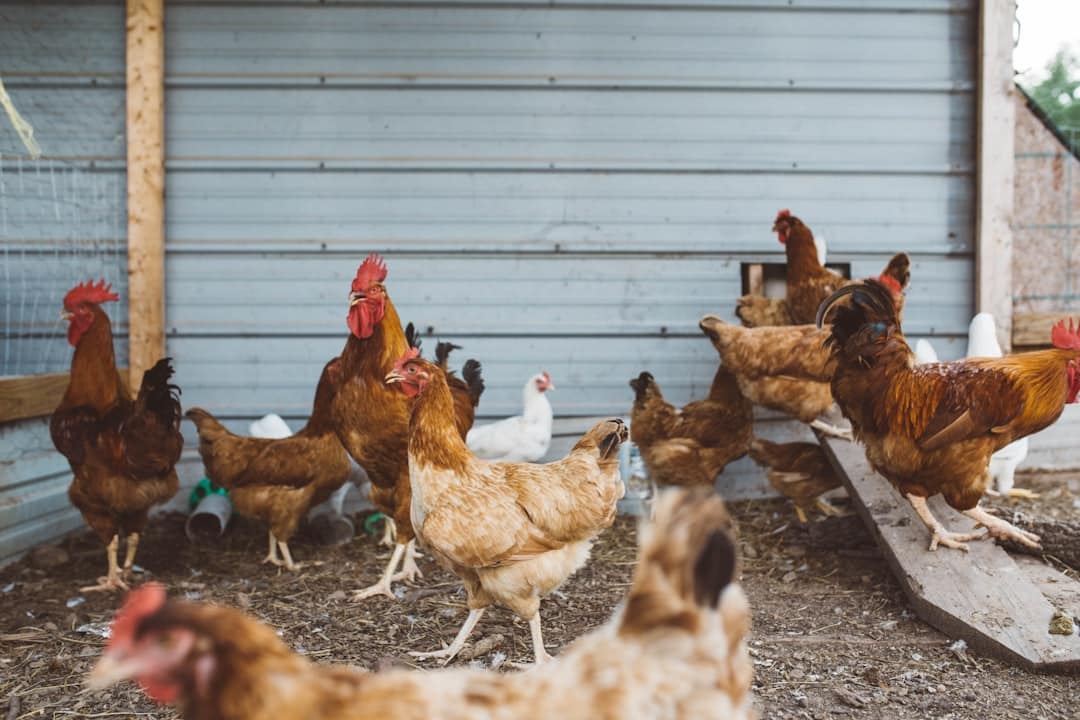
Backyard chickens have gone fully mainstream. What started as a niche hobby has grown into one of the most popular forms of small-scale homesteading across the country. There are plenty of ways to get started, whether you have a farm or just a modest backyard.
With millions of households now keeping their own flocks, there are still plenty of questions about how to get started. After all, raising chickens is not the same as owning a goldfish or hamster.
Chickens need to be treated differently and cared for in a way that ensures they live long and healthy lives. Given this, you’re probably wondering: How do I get started with raising chickens?
Well, we have the answers you’re looking for. We’ve put together this simple guide to help you get started and make sure that your chickens live a long and good life.
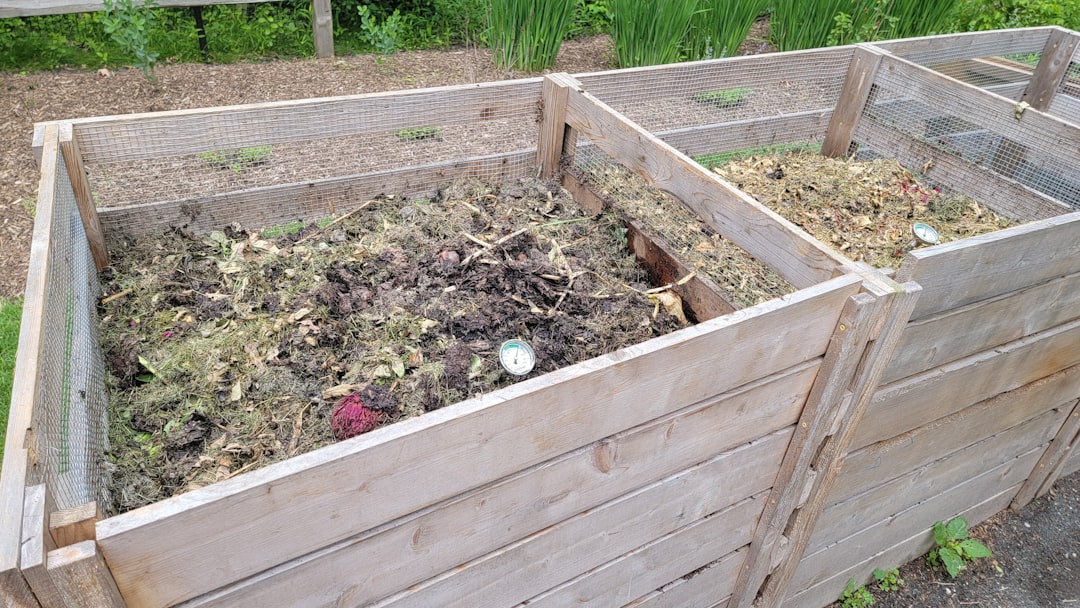
Making your own fertilizer is one of the most practical habits you can build into a homestead or home garden routine. It turns kitchen scraps and yard waste into a genuine soil amendment — for free. Compared to bagged synthetic fertilizers, homemade options feed your soil biology as well as your plants, build long-term soil structure, and don’t carry the risk of over-application burning your crops. Once you have a system going, you’ll wonder why you ever bought the bags.
The good news is that making your own fertilizer doesn’t require special equipment or chemistry knowledge. Compost, compost tea, banana peels, eggshells, and coffee grounds all deliver real nutritional value to your soil in ways that are easy to manage at home. This guide covers the full range of options — from hot composting to worm bins — so you can pick the methods that fit your space and schedule. If you’re thinking about this as part of a broader garden setup, the homesteading hub has a lot of complementary guidance.
If you’re looking for an easy way to start composting, or have a lack of space for a traditional compost, the Bokashi method may be the right choice for you. Once a niche technique, bokashi has gone mainstream among urban and suburban homesteaders and is now one of the most accessible composting methods around.
This guide will show you how to get started with Bokashi composting, including what materials you’ll need and how to set up your system.
What is Bokashi?
Bokashi composting is a very simple composting method that allows you to add kitchen waste, directly into the composter without creating unpleasant odors. Unlike traditional composting, which takes several months to years, Bokashi can process your organic food waste in just 4 weeks!
Homesteading is a lifestyle choice that has surged in popularity, particularly since 2022. Homesteaders are people who want to live off the land and produce their own food, energy, shelter and goods.
They do this by producing as much of what they need on site as possible or trading for it with others that have excess production capacity.
The homesteader’s goal is sustainability – living with minimal impact on natural resources so we don’t leave a footprint that future generations will regret.
Most people think of rural farmers when they hear the term “homesteader”, but you can be a city slicker too! You just need to make some changes in your life: no more going out to eat each night, fewer trips to the shopping mall and think about making your own food at home.
The next level of homestead is to combine this with an off grid lifestyle. Off grid homesteaders do what we’ve been talking about – producing their own food and energy – but the difference is that they often live in remote areas where it isn’t practical to directly connect to the utility grid.
Becoming a beekeeper with your own bees is a wonderful way to connect with nature and help the environment. Hobby beekeeping has grown steadily in the US over the past decade, and there are now over 3.5 million managed hives across the country as of 2026.
The beehive creates an absolutely stunning smell around your backyard. It’s also a great way to get some exercise and spend time outdoors.
But before you can start as a backyard beekeeper, there are a few things you need to know.
In this article, we will discuss the basics of beekeeping so that you can get started on this rewarding hobby. If you’re thinking about starting a homestead, keeping bees is one of the most rewarding first steps you can take.
There has never been a better time to start growing your own vegetables. Whether you have a sprawling backyard, a modest patio, or just a sunny windowsill, cultivating your own food is one of the most rewarding things you can do. It saves money at the grocery store, puts fresher and healthier produce on your table, and gives you a hands-on connection to the food you eat every single day. If you have been thinking about starting a vegetable garden, this guide walks you through exactly why it matters and how to get going, even if you have never planted a seed before.