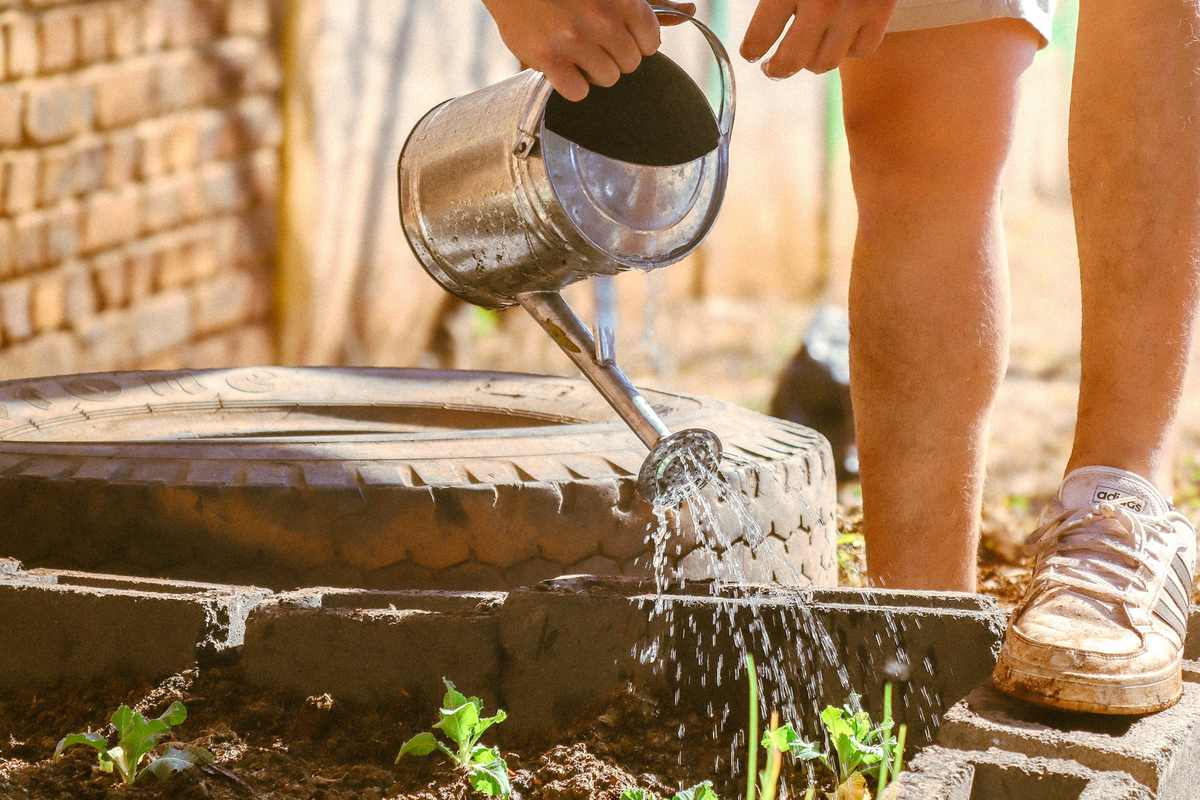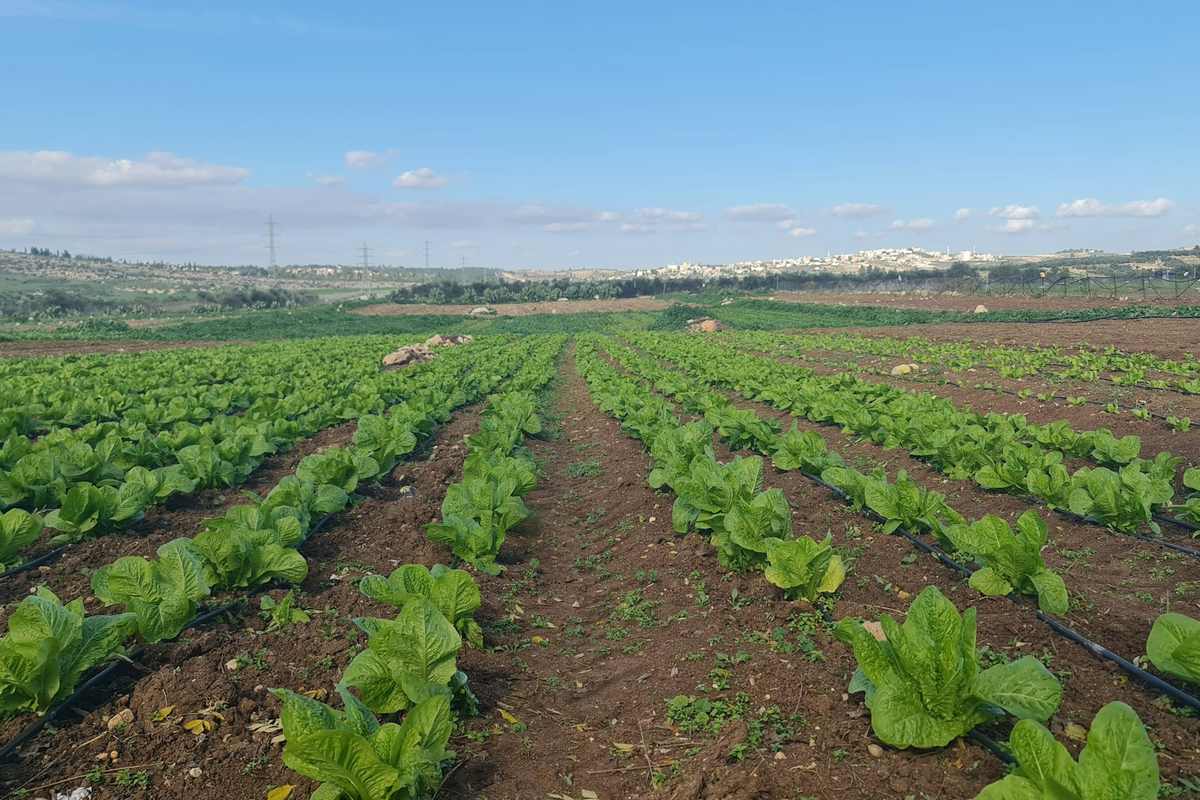
I'm Noah. I'm a late bloomer when it comes to farming. I really enjoy working our land, especially when I get to fight weeds! I also really like my big truck.
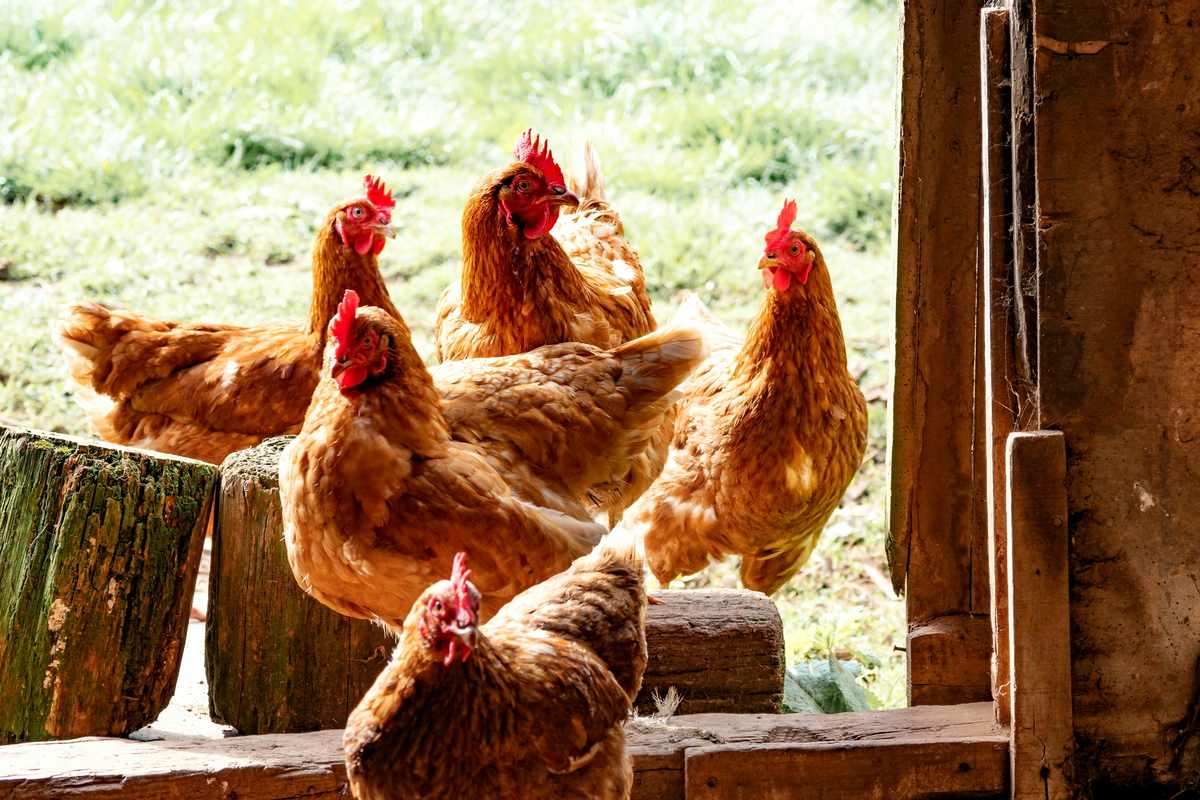
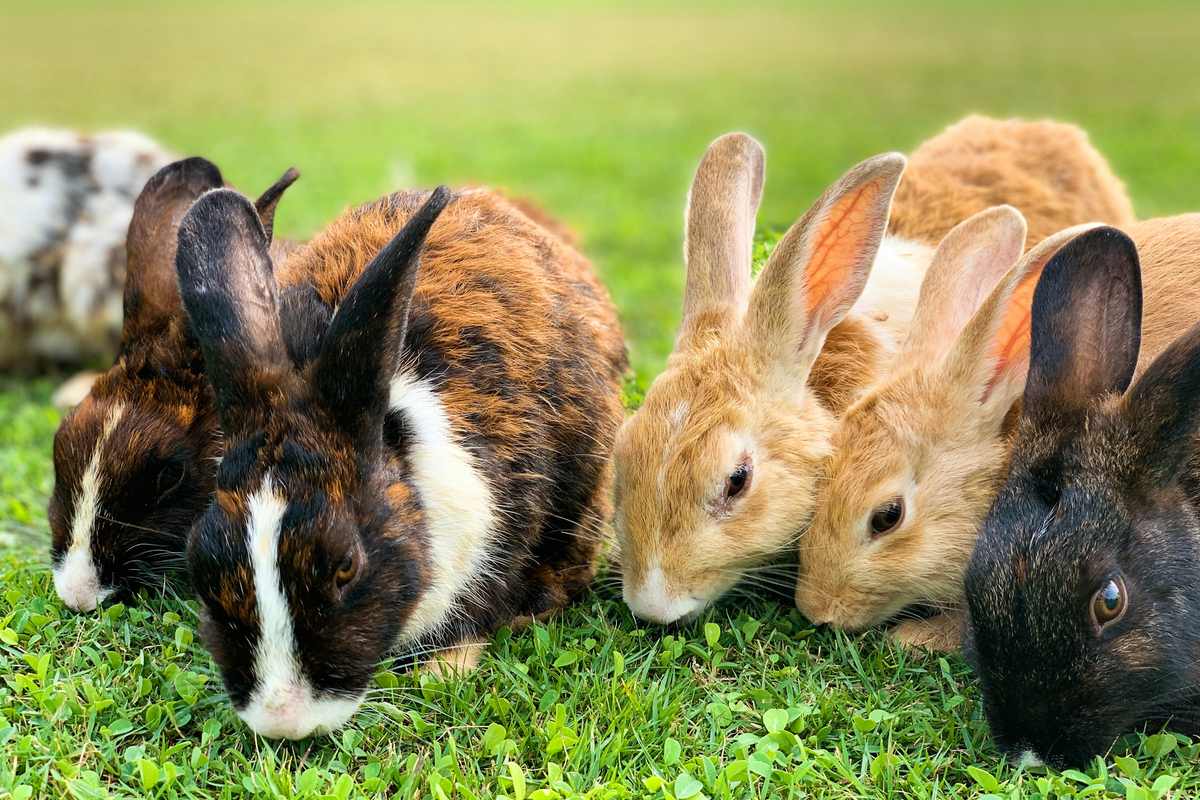
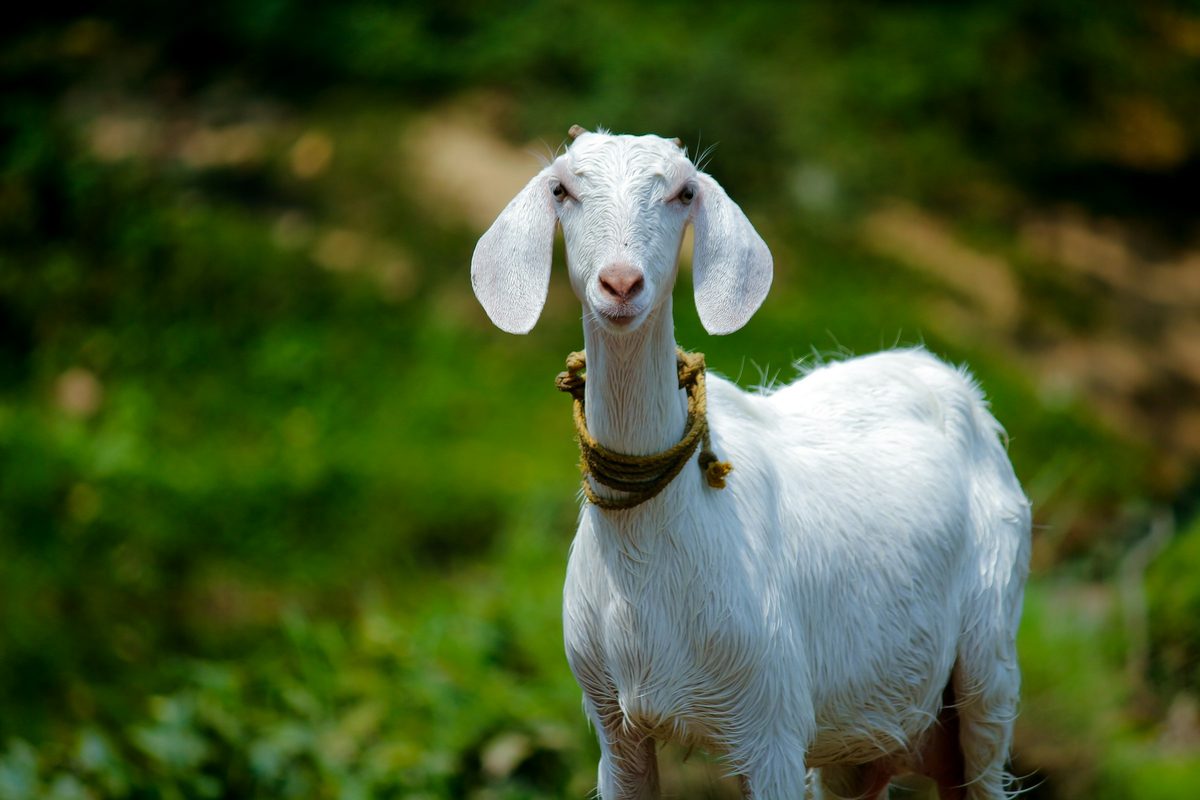
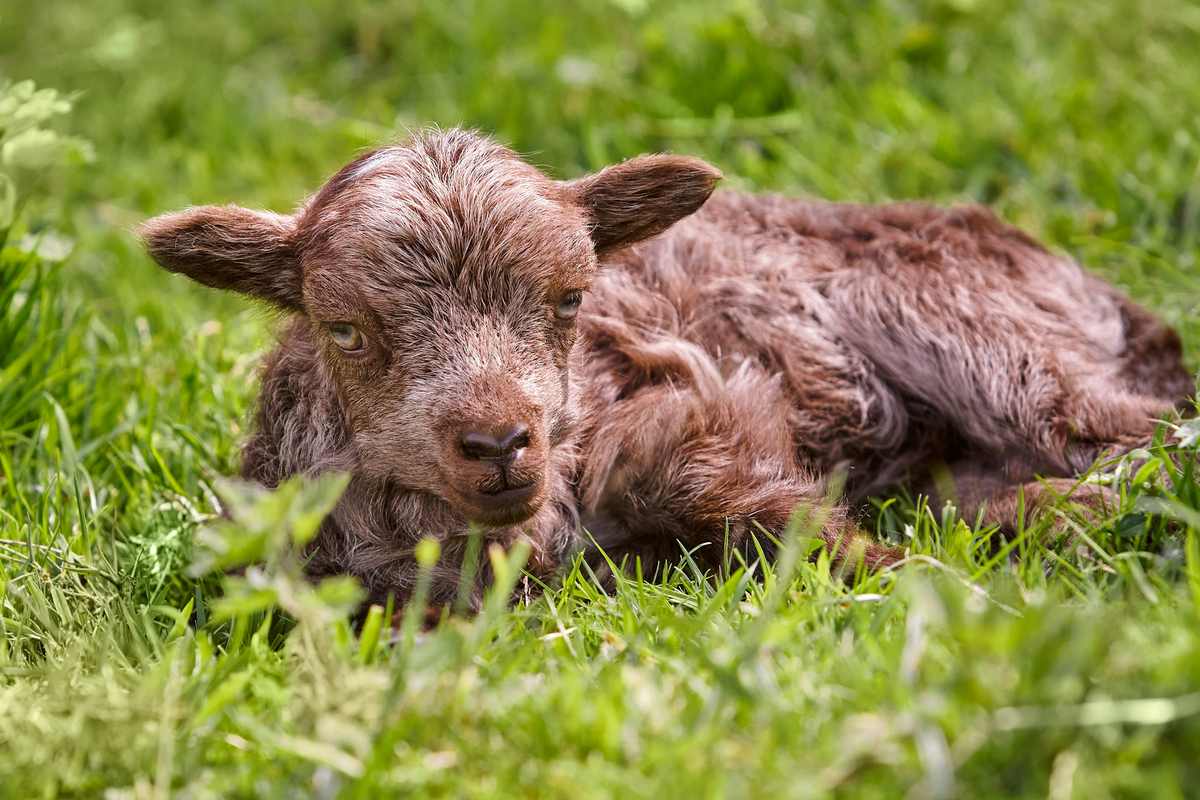
I'm so happy I can share my love for farming and our farm animals with Zoe. It's great that we can wake up to fresh eggs and the sound of bees making honey every day!
Cherry tomatoes are one of the most rewarding crops you can grow — and you don’t need a garden to do it. A single well-managed pot on a sunny balcony, patio, or deck can yield hundreds of sweet, bite-sized tomatoes from early summer right through to fall. Growing cherry tomatoes in pots is beginner-friendly, surprisingly productive, and genuinely fun once you know the right variety to choose and the handful of care habits that make the difference between a thriving plant and a struggling one.
This complete guide covers everything — from picking the right container and soil mix, to the best cherry tomato varieties for pots, watering schedules, support structures, and how to troubleshoot common problems. Whether you’re working with a fire escape, a small backyard, or just a sunny kitchen window, you can grow excellent cherry tomatoes in containers.
There’s something deeply satisfying about growing your own food, raising animals, and becoming less dependent on grocery stores and utility companies. Homesteading — the practice of creating a more self-sufficient life from your own property — is one of the most rewarding paths an American family can take. But getting started can feel overwhelming when you’re staring at a blank yard and a long list of skills you don’t yet have.
This guide walks you through exactly how to start a homestead, step by step — whether you’re working with a quarter-acre suburban lot or dreaming about a 10-acre spread in the country. We’ll cover what homesteading really means, how much land you actually need, what to tackle first, and how to avoid the burnout that trips up so many beginners.
Growing one crop per field per year leaves a lot of potential on the table. Multiple cropping (also called multicropping) is the practice of growing more than one crop on the same piece of land in a single year – either at the same time, in sequence, or in carefully planned rotations.
Multiple cropping is any system that grows two or more crops on the same land in the same year. The main types are double cropping (two crops in sequence on the same plot in one year), intercropping (two or more crops growing together at the same time), relay cropping (planting the next crop before the current one is harvested), and sequential cropping (back-to-back crop cycles with no overlap).
Done well, multicropping lifts yield per acre, spreads weather and market risk, and builds healthier soil. Done badly, it drains nutrients, increases pest pressure, and wears out the land. This guide breaks down the types, the pros and cons, what to plant together, and when double cropping specifically is worth it on a US farm or homestead.
The right chicken feeder can make a real difference to your flock’s health, your feed bill, and how often you find yourself chasing spilled grain around the coop. A poorly designed feeder lets chickens scratch feed onto the ground, attracts rodents, and can expose wet feed to mold — all problems that cost money and stress birds out. Getting the feeder right from the start means less waste, a cleaner coop, and a flock that eats at its own pace without competition.
Whether you keep three backyard hens or manage a flock of thirty, there’s a feeder designed to match your setup. From simple gravity-fed hoppers to pest-proof treadle feeders, the options are more varied than you might expect. This guide walks you through what to look for, the different styles available, and our top picks for every flock size — so you can stop guessing and start feeding smarter. If you’re new to keeping chickens, the Farm Animals hub is a great place to start building your knowledge.
Growing a few high-value crops is now a realistic income stream for small-scale farmers and backyard growers across the US. The good news is that you do not need hundreds of acres to make it work. Some of the most profitable crops thrive in tight spaces, and a well-chosen quarter-acre plot can outperform a large commodity field on a per-acre basis.
This guide breaks down the most profitable crops you can grow on a small farm, with updated revenue estimates for 2026 and practical notes on harvest timelines, growing conditions, and where to sell. Whether you are exploring homesteading for the first time or looking for profitable small farm ideas to boost an existing operation, this list will help you decide where to put your effort.
What Makes a Crop Profitable?
Profitability comes down to three things: what the market will pay per pound or unit, how much you can grow per acre, and what it costs to produce. Commodity crops like corn and wheat deliver thin margins because prices are set globally and production is mechanized at industrial scale. Specialty crops flip that equation: lower volume, much higher price per unit, and margins that commodity farming simply cannot match.
Several factors shape whether a specific crop is profitable for your situation:
Market price is the single biggest lever. If buyers will pay $20 per pound for gourmet garlic versus $2 for conventional, your revenue per acre changes dramatically.
Input costs matter just as much. An expensive fertilizer program or irrigation setup can eat into margins fast, so track every cost carefully.
Growing conditions including your climate zone, soil type, and access to water all determine which crops are realistic for your land. A drought year can wipe out an otherwise profitable harvest.
Selling channel affects what you can charge. Direct-to-consumer at farmers markets and through CSA subscriptions typically pays 2-3x more than wholesale.
Below are the highest-value crops for small and backyard farms, grouped by category. Each entry includes current revenue estimates, harvest timelines, and what to expect if you are starting from scratch. Also check out our guide to the most popular microgreens to grow for another high-profit option.
Herbs and Spices
Herbs and spices consistently rank among the most profitable plants to grow on a small farm. Their high price per pound, low space requirements, and strong consumer demand make them a natural starting point for new growers.
Lavender
Lavender remains one of the most versatile and profitable crops for small acreage. You can sell dried bundles, essential oil, sachets, soaps, and other value-added products. Many successful lavender farms also generate income from agritourism, with visitors paying to walk the fields and buy directly.
Time from Planting to Harvest
Lavender takes 90 to 200 days to reach its first harvest from seed. However, these plants are slow growers and typically need 2 to 3 years to reach full production maturity. Most growers start with established cuttings or plugs to speed up the timeline.
90 to 200 days to first harvest
Revenue Estimates
An established acre of lavender can generate $10,000 to $30,000 per year from dried bundles and essential oil. Growers who create value-added products (soaps, lotions, culinary blends) or run agritourism events report revenues as high as $75,000 to $120,000 per acre in peak years, though those numbers require significant marketing effort and an established customer base.
$10,000 to $30,000 per acre (dried/oil), up to $120,000 with value-added products
Saffron
Saffron is the world’s most expensive spice by weight. Each delicate stigma must be hand-harvested from the Crocus sativus flower, and it takes roughly 75,000 flowers to produce a single pound of dried saffron. That labor intensity is what keeps the price high and makes it one of the most profitable crops per square foot for patient growers.
Time from Planting to Harvest
Saffron corms are planted in late summer and flower in about six to ten weeks during fall. The plants are perennial, producing larger yields each year as the corms multiply. Expect meaningful harvests by year two or three.
6 to 10 weeks from planting to first flower
Revenue Estimates
Premium-grade saffron sells for $8,000 to $15,000 per kilogram at retail in 2026, with wholesale prices ranging from $2,500 to $3,800 per kilogram depending on grade and certification. A small half-acre plot can yield 1.5 to 2.5 kg annually once established, generating $3,750 to $37,500 depending on whether you sell wholesale or direct to consumers. Organic certification commands the highest premiums.
$8,000 to $15,000 per kilogram retail (2026 pricing)
Gourmet Garlic
Gourmet garlic varieties like Purple Stripe, Rocambole, and Porcelain are not the same as the standard garlic you find at grocery stores. They carry bolder flavors, unique color profiles, and price tags that make them one of the most accessible high-value crops for small farms. The US garlic market is valued at roughly $2.25 billion and growing at about 3.5% annually, so demand is steady.
Time from Planting to Harvest
Garlic is planted in fall and harvested the following summer, so plan on about 8 to 9 months from clove to bulb. Hardneck varieties (the gourmet types) do best in cooler climates with a proper winter chill period.
8 to 9 months from planting to harvest
Revenue Estimates
Gourmet garlic sells for $16 to $25 per pound at farmers markets, compared to $1 to $2 per pound for conventional. A well-managed acre can yield 6,000 to 12,000 pounds, putting gross revenue between $25,000 and $100,000 per acre depending on variety, growing conditions, and sales channel. After subtracting costs, net profit of $15,000 to $80,000 per acre is realistic for established operations.
$25,000 to $100,000 gross revenue per acre
Fruits and Vegetables
High-value fruits and vegetables are among the most profitable crops for small farms, especially when sold direct to consumers. If you are new to growing, start with our guide on why you should grow your own vegetables.
Goji Berries
Goji berries are a superfood packed with antioxidants, vitamins, and minerals. They can be sold fresh, dried, juiced, or added to trail mixes and smoothie blends. Health-conscious consumers continue to drive strong demand for locally grown goji berries, especially organic and pesticide-free options.
Time from Planting to Harvest
Goji shrubs are a long-term investment. They take 2 to 3 years to begin producing fruit and 3 to 5 years to reach full maturity. Once established, however, they produce reliably for 15 to 20 years with minimal maintenance.
2 to 3 years to first fruit, 3 to 5 years to full production
Revenue Estimates
At full maturity, one acre of goji berries can produce around 7,000 pounds of fruit. Dried goji berries sell for $15 to $25 per pound at retail, while fresh berries at farmers markets command even higher prices. Annual revenue of $40,000 to $50,000 per acre is achievable once plants are fully established.
$40,000 to $50,000 estimated revenue per acre at full maturity
Cherry Tomatoes
Cherry tomatoes are a high-value crop that can be grown almost anywhere, including in containers on a patio. You can even grow cherry tomatoes in pots at home. Their fast turnaround and steady demand at farmers markets make them an excellent choice for beginners looking for quick returns.
Time from Seed to Harvest
Cherry tomatoes grow fast. Most varieties are ready to pick within 7 to 8 weeks after transplanting, and plants continue producing for several months through the growing season.
7 to 8 weeks from transplant to harvest
Revenue Estimates
Heirloom and specialty cherry tomatoes sell for $3 to $5 per pint at farmers markets. A productive acre can yield 15,000 to 25,000 pounds per season, with gross revenue of $10,000 to $25,000 depending on variety and sales channel. The real advantage is the fast turnaround, meaning you can plant successive crops and maximize your growing season.
$10,000 to $25,000 per acre per season
Arugula
Arugula is a nutrient-dense salad green with a peppery flavor that restaurants and consumers love. It grows quickly, tolerates cool weather, and does not need much space, making it ideal for small-scale growers.
Time from Seed to Harvest
Plant arugula in early spring or early fall for the best results. You should see harvestable leaves within 4 to 6 weeks of sowing. Because it bolts in hot weather, timing your planting around cooler months gives you the longest harvest window.
4 to 6 weeks from seed to harvest
Revenue Estimates
Arugula sells for roughly $6 to $8 per pound at farmers markets and to restaurants. One acre can yield up to 9,000 pounds per year with successive plantings, putting estimated gross revenue at $54,000 to $72,000 per acre. Even on a small raised bed, arugula provides strong returns relative to the space and effort involved.
$54,000 to $72,000 estimated revenue per acre
Microgreens
Microgreens are young vegetable and herb seedlings harvested just 7 to 14 days after sprouting. They are one of the fastest-growing segments in the specialty produce market and arguably the most profitable crop per square foot that a small grower can produce. You do not even need outdoor land since most microgreen operations run indoors with shelving, trays, and LED grow lights.
Time from Seed to Harvest
Most microgreen varieties are ready to cut in 7 to 14 days from seeding. That rapid cycle means you can turn over the same tray space 20 to 30 times per year, which is what drives the high revenue-per-square-foot numbers.
7 to 14 days per harvest cycle
Revenue Estimates
Microgreens sell for $25 to $50 per pound at farmers markets and to restaurants. Each standard 1020 tray costs about $3 to $5 to produce and can yield $15 to $30 in revenue. A modest 500-square-foot indoor setup with vertical shelving can generate $25,000 to $50,000 per year once you have established a reliable buyer base. The key is securing committed buyers (restaurants, grocery stores, CSA customers) before you scale up production. For a deeper dive, see our guide to the most popular and profitable microgreens.
$25,000 to $50,000 per year from a 500 sq ft indoor setup
Edible Fungi
Gourmet mushrooms are often overlooked, but they are among the most profitable crops per square foot for small farms. Unlike most crops, mushrooms do not require sunlight or large fields. They thrive in climate-controlled indoor spaces, making them perfect for urban growers or anyone with a spare basement, garage, or shipping container.
Gourmet Mushrooms
Oyster mushrooms, lion’s mane, and shiitake are the top sellers in the gourmet mushroom market. Oyster mushrooms are the easiest variety to start with since they grow quickly and tolerate a wide range of conditions. Lion’s mane has surged in popularity thanks to growing consumer interest in functional foods and cognitive health benefits.
Time from Inoculation to Harvest
Most gourmet mushroom varieties produce their first flush within 3 to 4 weeks after inoculation, with the full crop cycle (including spawn preparation) running about 7 to 8 weeks. Indoor growers report better and more consistent yields than outdoor operations.
7 to 8 weeks full crop cycle
Revenue Estimates
Gourmet mushrooms sell for $8 to $15 per pound at retail, with lion’s mane and specialty varieties commanding the highest prices. A small 500-square-foot indoor growing room can produce 12,000 pounds of oyster mushrooms per year, translating to $72,000 to $120,000 in gross revenue. Even after factoring in substrate, energy, and labor costs (which typically consume 35% to 50% of revenue), mushroom farming offers some of the strongest margins in small-scale agriculture.
$72,000 to $120,000 gross revenue from 500 sq ft
Cut Flowers
Cut flower farming has boomed in the US over the past few years, driven by demand for locally grown, seasonal blooms for weddings, events, and direct-to-consumer bouquet subscriptions. Unlike imported flowers, locally grown cuts are fresher, last longer in the vase, and carry a story that buyers value. For small farms with even a quarter-acre of growing space, flowers can be one of the most profitable crops per acre.
Time from Seed to Harvest
Most annual cut flowers (zinnias, sunflowers, cosmos, snapdragons) are ready to harvest 8 to 12 weeks from seeding. Perennials like peonies and dahlias take longer to establish but produce reliably year after year once they are in the ground.
8 to 12 weeks for most annual varieties
Revenue Estimates
Small flower farms report average gross sales of $25,000 to $50,000 per acre, with high-intensity growers reaching $55,000 to $60,000 per acre. Net profit margins of 50% to 60% are common for direct-to-consumer operations selling through farmers markets, flower CSAs, and wedding florists. The most successful small flower farms combine multiple sales channels to keep revenue consistent throughout the growing season.
$25,000 to $50,000 per acre, with 50-60% net margins
Other Profitable Crops Worth Considering
Beyond the crops above, several other options deserve a spot on your shortlist depending on your climate, space, and goals.
Ginseng
American ginseng is one of the highest-value crops you can grow, but it requires patience. The roots need 5 to 6 years to mature before harvest. Once ready, a single acre can generate up to $200,000 when roots, rootlets, and seeds are all factored in. Ginseng grows best in shaded woodland settings, making it a strong option if you have forested land that would otherwise sit unused.
Christmas Trees
Christmas trees are a seasonal but reliable cash crop. Trees take 6 to 10 years from planting to sale, so this is a long game. However, retail prices of $60 to $100+ per tree and the ability to plant 1,000 to 1,500 trees per acre mean that a mature acre can generate $60,000 to $150,000 in a single harvest season. Many tree farms also supplement income with wreaths, garlands, and agritourism experiences. As a secondary benefit, you also get great firewood from trimming and culled trees.
Sugar Crops and Soybeans
If you have more acreage to work with, traditional cash crops like sugar cane, sugar beets, and soybeans still offer solid margins. These require more land and equipment than the specialty crops above, but they benefit from established supply chains and government support programs. Soybeans in particular remain one of the most consistent earners for mid-size operations across the US.
How to Maximize Your Crop Profits
Choosing the right crop is only half the equation. How you grow and sell it matters just as much. Here are a few principles that apply across all of the crops on this list:
Sell direct whenever possible. Farmers markets, CSA subscriptions, and direct restaurant sales typically pay 2-3x more than wholesale channels.
Start small and validate demand. Grow a test batch before committing a full acre. Make sure buyers exist in your area before you scale.
Stack multiple crops. The most profitable small farms often grow 3 to 5 complementary crops rather than betting everything on one.
Invest in proper irrigation. Consistent water delivery is one of the biggest factors in yield consistency. See our complete guide to farm irrigation systems for help choosing the right setup.
Add value where you can. Drying herbs, making jams, bundling bouquets, or creating ready-to-eat microgreen mixes all increase your revenue per unit.
Conclusion
You do not need a massive farm to earn a meaningful income from growing crops. The most profitable crops for small farms share a few common traits: high price per pound, strong consumer demand, and the ability to grow well in limited space. Lavender, saffron, gourmet garlic, mushrooms, microgreens, and cut flowers all fit that profile.
The best approach is to pick two or three crops that match your climate, available space, and local market demand. Start with a small test plot, find your buyers, and scale from there. Whether you are working a quarter-acre backyard or a dedicated five-acre homestead, the crops on this list offer real earning potential for growers willing to put in the work.
Related: Once you have a profitable crop, consider pairing it with another in a multiple cropping system to get two harvests from the same ground in a single season.
Most home gardeners spend years wrestling with rocky soil, compacted clay, and backs that ache from kneeling at ground level — only to end up with a modest harvest. Raised garden beds solve all three problems at once. They put you in complete control of your soil, your drainage, and your planting depth, and they let you start growing weeks earlier in spring than your neighbors who are still waiting for cold, wet ground to warm up. Whether you have a quarter-acre backyard or a narrow strip of lawn beside a fence, learning how to build raised garden beds is one of the best investments you can make in your home growing setup.
In this guide we’ll walk you through everything you need to know — from choosing materials and sizing your beds to filling them with the right soil mix and planting them out for maximum yield. If you’re just getting started with growing your own food, be sure to check out our guide on why you should grow your own vegetables — it’s a great primer for what raised beds make possible.
Why raised beds beat in-ground growing for most home gardeners
The best materials to use and what to avoid
How to size your beds correctly
A complete step-by-step build guide
The ideal soil mix for raised beds
What to plant and how to maintain your beds year after year
Planting trees for firewood is one of the most patient, far-sighted things a homesteader can do. You’re making a decision today that will heat your home five, ten, or twenty years from now — and if you choose the right species and manage them well, you’re creating a renewable fuel supply that replenishes itself indefinitely. Think of it as planting a future woodpile. If you have land as part of your homesteading setup, dedicating even a small section to firewood trees is one of the smartest long-term investments you can make.
The concept is called a firewood rotation: you plant trees in phases so that as one group reaches harvestable size, another is already growing behind it. A well-managed woodlot can supply your full heating needs indefinitely, with nothing more than chainsaw fuel and physical labor as ongoing inputs.
In this guide we cover the best trees to grow for firewood on a US homestead — from slow-burning oak to fast-payoff black locust — along with a BTU comparison table, planting tips, and a breakdown of how much firewood a typical home actually needs.
Are you ready to get started with your own greenhouse? Fantastic! In this article we’ll give you a complete rundown of how to set up your greenhouse, what to plant in there and how to make sure you get your first starter-greenhouse-harvest, yummy!
The first thing you need to do is draw out a plan of what you want your greenhouse to look like and choose the best possible location for it on your property.
This is important because if the site isn’t suitable for your house or if it has poor drainage, you could be setting yourself up for some major issues.
Once you’ve found the perfect location, measure out how large you want to build your greenhouse for your garden so that your plans are accurate.
Collecting rainwater is one of the oldest tricks in farming, and it still holds up as one of the smartest. A decent rain barrel can save you money on water bills, reduce runoff on your property, and give your garden a supply of chlorine-free water that plants genuinely prefer. Whether you are running a full homestead or just getting started with a few raised beds, a rain barrel pays for itself faster than almost any other piece of equipment.
Building a pond on your farm is a great way to provide water for livestock and crops, and it can also be a beautiful addition to your property. There are a few things to consider before you begin to build a farm pond, such as the size and location of your pond, as well as the type of liner you will use.
Future pond owners need to get the basics right around their pond site in regards to wildlife habitat, pond liner, soil erosion, and water quality to not go down a route of poor farming practices.
Here are some tips on how to build a pond on your farm and what to think about before you get started.