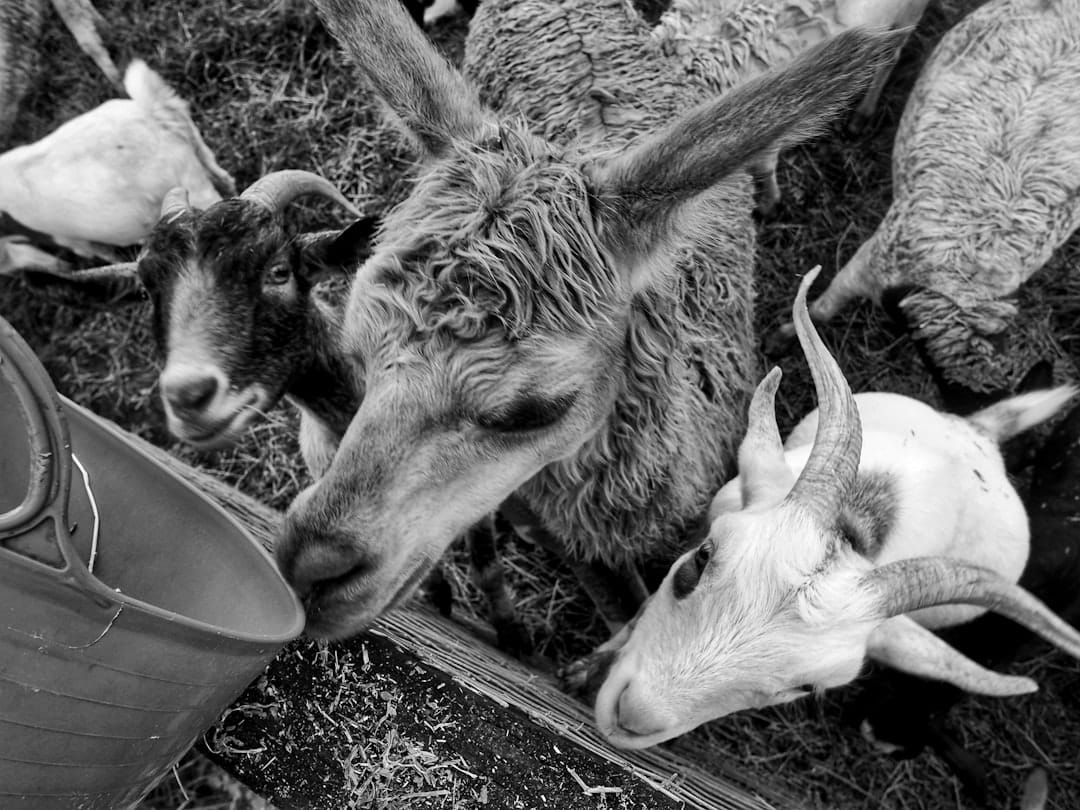
If you’re building out your farm animals lineup, goats are one of the most rewarding additions you can make. They’re hardy, personable, and come in dozens of breeds suited to almost any homestead, whether you’re after meat, milk, or just a couple of easygoing companions to clear brush.
The tricky part isn’t whether to raise goats — it’s figuring out which of the many goat breeds actually fits your space, your climate, and your goals. A dairy breed bred for high milk yields is a poor match for someone who just wants a couple of low-maintenance browsers, and a large meat breed needs very different fencing than a Pygmy goat.
This guide breaks down the most popular meat goat breeds, dairy goat breeds, and small goat breeds, plus what you should think through before bringing your first goats home.
Why Raise Goats on Your Homestead
Goats are one of the most flexible animals you can add to a small farm. They convert brush, weeds, and rough forage into milk or meat, they take up far less space than cattle, and most breeds are social enough to bond quickly with their keepers.
They’re also a natural fit if you’re just starting a homestead and want an animal that doesn’t demand acres of pasture or expensive infrastructure right out of the gate. That said, “easy to raise” doesn’t mean “no planning required” — the breed you choose will shape almost every decision that follows, from fencing height to how much hay you’ll go through each winter.
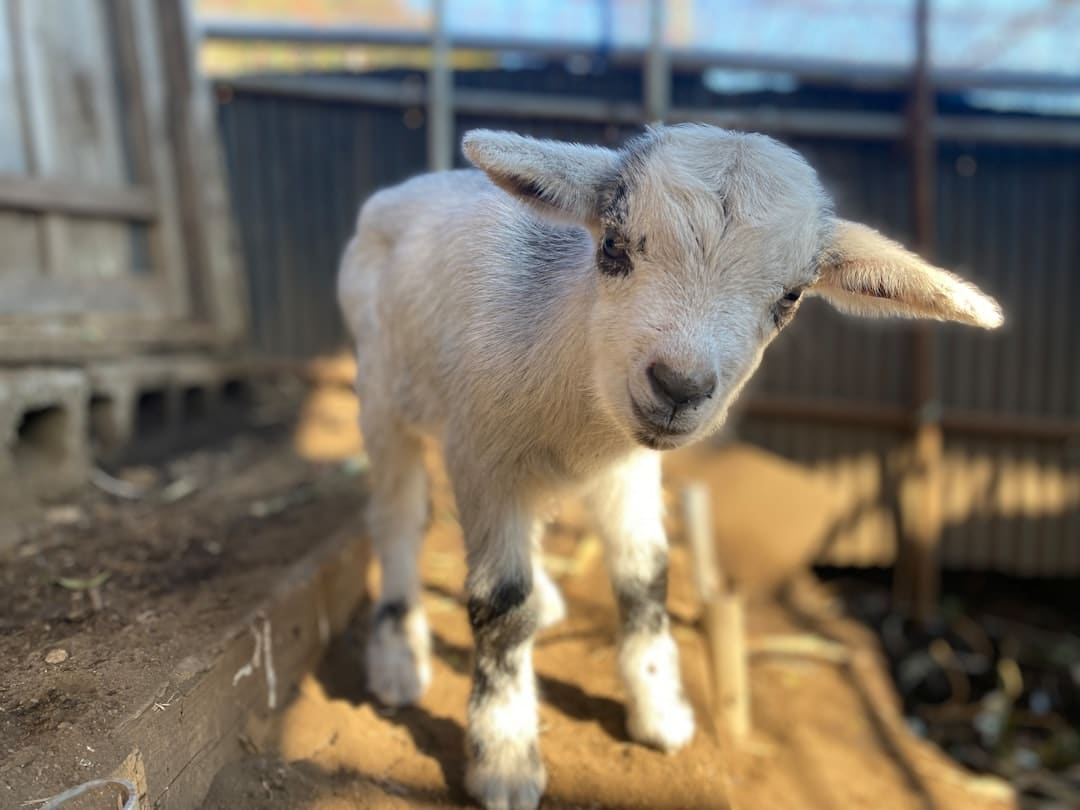
Meat Goat Breeds
If your goal is meat production, you’ll want a breed that puts on muscle quickly and holds up well outdoors. These meat goat breeds are the two most common choices for small farms in the US.
Boer Goat
The Boer is the standard-bearer of meat goat breeds. Originally developed in South Africa, Boers grow fast, carry heavy muscling through the leg and loin, and have a famously calm temperament that makes them easy to handle even for first-time goat owners.
Their white bodies and distinctive reddish-brown heads make them easy to spot, and their popularity means started stock is widely available across most states.
Kiko Goat
Kikos were bred in New Zealand specifically for hardiness and low-input survival, and it shows. They’re tougher than Boers in wet or parasite-heavy climates, need less deworming and hoof care, and still produce a respectable carcass without the intensive feeding a Boer often needs.
If you’re looking for a meat breed that thrives on browse alone with minimal supplemental feed, a Kiko (or a Boer-Kiko cross) is usually the better fit.
Dairy Goat Breeds
Dairy goat breeds are bred for milk volume, butterfat content, and long, consistent lactation cycles. Here are three of the most popular choices for home dairies.
Nubian Goat
Nubians are easy to recognize by their long, drooping ears and Roman noses. They don’t produce the highest milk volume of the dairy breeds, but their milk is famously high in butterfat, which makes it a favorite for cheese and soap makers.
Be warned: Nubians are also one of the more vocal goat breeds, so they’re not the best choice if you have close neighbors.
Nigerian Dwarf Goat
Nigerian Dwarfs punch well above their weight. Despite standing barely two feet tall, they produce milk with some of the highest butterfat percentages of any dairy breed, and a smaller frame means smaller hay and feed bills.
They’re also one of the most beginner-friendly dairy goats around — gentle, social, and easy to house on a smaller plot than most other dairy breeds would tolerate.
Alpine Goat
Alpines are a large, upright-eared dairy breed known for consistently high milk volume over a long lactation season. They’re less about butterfat and more about sheer quantity, which makes them a favorite among small commercial dairies.
They need more space and sturdier fencing than a Nigerian Dwarf, but if volume is your priority, Alpines are hard to beat.
Small and Dual-Purpose Goat Breeds
Not everyone wants a full-size meat or dairy operation. If you have limited space or just want a couple of manageable companions, these small goat breeds are worth a look.
Pygmy Goat
Pygmy goats are bred almost entirely as companion and show animals rather than for meat or milk production. They’re stocky, sociable, and content on a small paddock, which makes them one of the most popular small goat breeds for hobby farms and families with kids.
Because they aren’t bred for production, don’t expect much milk or meat yield — think of Pygmies as low-maintenance pasture pets that also happen to be goats.
Kinder Goat
The Kinder was deliberately bred by crossing Pygmy and Nubian goats to get a true dual-purpose animal: a smaller frame than a full-size dairy breed, but still capable of a respectable milk supply and a meaty carcass.
If you want one breed that can do a bit of everything without committing to a large-breed dairy or meat animal, the Kinder is one of the better dual-purpose small goat breeds to start with.
Goat Breed Comparison Table
Here’s a quick side-by-side look at how these goat breeds stack up.
| Breed | Primary Purpose | Size | Temperament |
|---|---|---|---|
| Boer | Meat | Large (200–300 lbs bucks) | Calm, easygoing |
| Kiko | Meat | Medium–Large | Hardy, independent |
| Nubian | Dairy (high butterfat) | Large | Social, vocal |
| Nigerian Dwarf | Dairy (high butterfat) | Small (75–110 lbs) | Gentle, friendly |
| Alpine | Dairy (high volume) | Large | Alert, active |
| Pygmy | Companion/pet | Small (50–80 lbs) | Playful, sturdy |
| Kinder | Dual-purpose (meat & dairy) | Small–Medium | Easygoing |
What to Consider Before Choosing a Goat Breed
Climate and Space
Larger meat and dairy breeds like Boers and Alpines need more room to roam comfortably, while Nigerian Dwarfs and Pygmies can thrive on a much smaller plot. If you’re still mapping out your homestead layout, factor goat housing and pasture rotation in early rather than after you’ve already brought animals home.
Fencing and Enclosure
Goats are notorious escape artists, and it doesn’t matter much which breed you choose — if there’s a gap, a goat will find it. Woven wire fencing at least 4 feet high, with no horizontal wires wide enough to headbutt through, is the safest bet for almost every breed on this list.
Feed and Nutrition
Dairy breeds in particular need more consistent, higher-quality feed to keep milk production steady, while meat and small breeds can often get by on good pasture and hay alone. If you have the space, growing some of your own livestock feed can meaningfully cut down on your feed bill once your herd grows past a couple of animals.
Herd Size and Companionship
Goats are herd animals and genuinely struggle when kept alone, so plan on at least two from the start regardless of breed. This is worth budgeting for up front — both in terms of space and in terms of feed — rather than adding a second goat as an afterthought.
Wrapping Up
There’s no single “best” goat breed — only the breed that best matches what you actually want out of your herd. Boers and Kikos for meat, Nubians, Nigerian Dwarfs, and Alpines for milk, and Pygmies or Kinders if you want something smaller and more manageable.
Whichever direction you go, start with solid fencing, a plan for feed, and at least two goats so they’ve got company. Get those basics right and goats tend to be one of the easier animals on the homestead.
Frequently Asked Questions about Goat Breeds
Two of the small breeds get confused constantly. Our dedicated guides to Nigerian Dwarf goats and pygmy goats explain why one is a dairy breed and the other is not.
For the feeding side in full, see our guide to what goats eat.
Nigerian Dwarf goats are one of the most beginner-friendly breeds thanks to their small size, gentle temperament, and lower feed and space requirements, whether you want them for milk or simply as companions.
Boer goats are the most widely raised meat goat breed thanks to fast growth and heavy muscling, while Kiko goats are a hardier, lower-input alternative in wetter or more parasite-prone climates.
It’s not recommended. Goats are herd animals and become stressed and vocal when kept alone, so most breeders and vets suggest starting with at least two goats of any breed.
Alpine goats are known for high milk volume over a long lactation season, while Nigerian Dwarfs and Nubians produce less volume but noticeably higher butterfat content.
Related: Not sure goats are the right first animal for you? See our guide to the easiest farm animals for beginners for a broader comparison.