Categories
Farm Feed

What Do Rabbits Eat? A Complete Feeding Guide

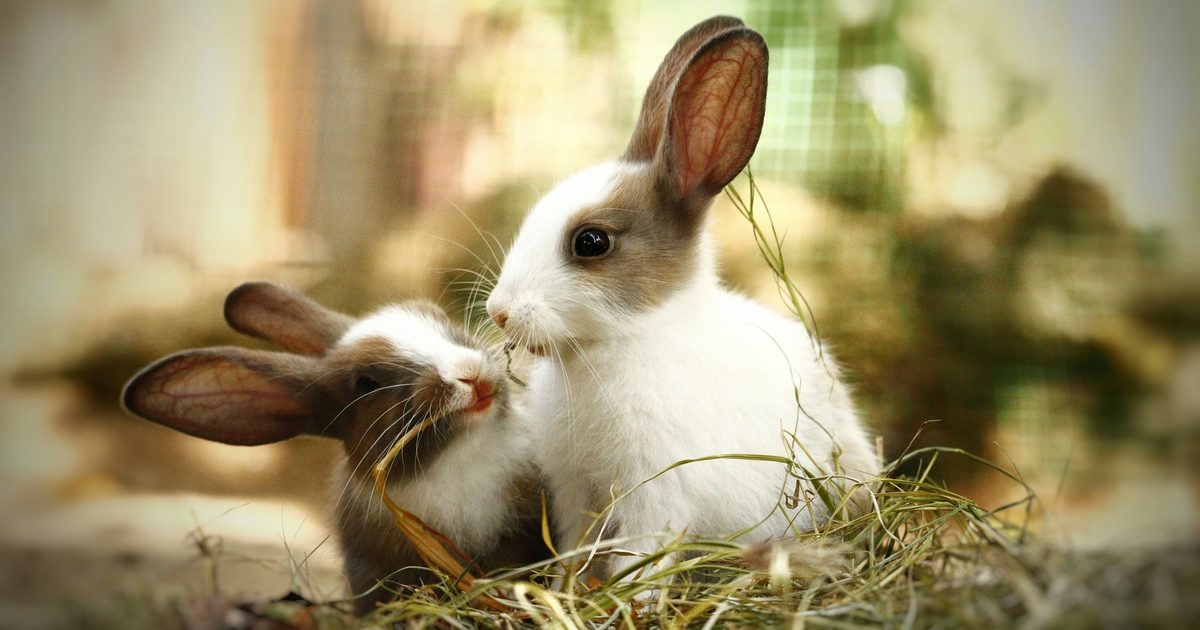
A rabbit’s diet should be roughly 80% grass hay, with a smaller amount of fresh leafy greens, a limited measure of pellets, and treats kept genuinely occasional. Hay is not filler, it is the foundation, and it is the single thing most new rabbit keepers under-supply.

The other thing worth correcting early: carrots are a treat, not a staple. The cartoon got that wrong, and a rabbit fed carrots freely is getting far more sugar than its gut is built for.

That core diet is the same whether you keep a single house rabbit or a breeding trio in a hutch, because rabbit digestion does not change with the reason you keep the animal. What does change is the ration for growing rabbits, and if you are raising them for the table that difference matters a good deal, so there is a dedicated section on it below.

Why Hay Comes First

Rabbits are hindgut fermenters with continuously growing teeth, and long-fibre hay is what keeps both working. The fibre keeps the gut moving, which matters enormously because a rabbit gut that stops moving is a genuine emergency rather than an inconvenience. The chewing action grinds the teeth down at roughly the rate they grow.

Timothy, orchard and meadow grass hays all suit adult rabbits. Alfalfa is different, it is a legume rather than a grass, much higher in protein and calcium, which makes it right for growing kits and nursing does but too rich as a permanent adult diet.

Quick Facts: Feeding Rabbits

  • Unlimited grass hay, available at all times
  • A generous daily handful of fresh leafy greens
  • Pellets measured, not free-fed, roughly a quarter cup per 5 lb of body weight
  • Fruit and carrot are treats, a couple of small pieces a day at most
  • Constant fresh water, a bowl is usually drunk from more readily than a bottle

Greens, Pellets and Treats

Leafy greens supply variety, moisture and micronutrients. Good daily choices include romaine, cilantro, parsley, basil, dill, carrot tops and dandelion greens. Rotate several rather than feeding one in quantity, and introduce anything new slowly, over a few days, watching the droppings.

Pellets are useful but easy to over-feed. A rabbit that fills up on pellets eats less hay, and less hay means slower gut motility and worse dental wear. Measure them out rather than topping up a bowl.

On treats, the honest position is that rabbits do not need fruit at all. A slice of apple, a few blueberries or a small piece of banana is fine as a bond-building treat, but the sugar disrupts gut flora in quantity.

Do Rabbits Actually Eat Carrots?

They will eat them enthusiastically, which is not the same as them being good food. Carrot is a root vegetable and comparatively high in sugar, so it belongs in the treat category alongside fruit. Carrot tops, the leafy greens, are a different matter and can be fed freely as part of the daily greens.

This distinction matters more than it sounds, because carrots are the food most commonly over-fed to pet rabbits on the strength of a cartoon.

What Do Baby Rabbits Eat?

Kits nurse for the first few weeks and begin nibbling solid food from around two to three weeks old, typically starting with whatever their mother is eating. They should stay with the doe until at least eight weeks, because weaning too early causes digestive problems that can be fatal.

Growing kits benefit from alfalfa hay and a slightly higher pellet allowance than adults, since they need the extra protein and calcium. Transition to grass hay and adult pellet portions at around six to seven months.

What Do Wild Rabbits Eat?

Wild rabbits graze grasses and forbs through the growing season, and shift to bark, twigs, buds and evergreen needles through winter when green growth disappears. That winter browsing is why wild rabbits ring-bark young fruit trees, and why tree guards matter on a smallholding.

If you are trying to help wild rabbits, the most useful thing is generally to leave them alone. They do not need supplementary feeding, and putting out vegetables or pellets tends to concentrate animals, which spreads disease.

Foods That Are Unsafe for Rabbits

AvoidWhy
Iceberg lettuceAlmost no nutrition and high in lactucarium, which can upset the gut
Potatoes, corn, beans, peasToo high in starch for a hindgut fermenter
Bread, crackers, cereal, pastaRefined carbohydrate, disrupts gut flora
AvocadoToxic to rabbits
Rhubarb and its leavesToxic
Onion, garlic, leekCan cause blood abnormalities
ChocolateToxic
Lawn clippingsFerment rapidly and cause dangerous gas build-up
Muesli-style rabbit mixesEncourage selective feeding, the rabbit picks out the sugary bits

That last one is worth stressing: the colourful muesli mixes still sold for rabbits allow selective feeding, so the animal eats the cereal flakes and leaves the fibre. A plain uniform pellet is the better choice precisely because it cannot be picked through.

Feeding Pet Rabbits vs Meat Rabbits

The principles are identical, but the ration is not. A pet rabbit is being kept at a steady adult weight for years, so the goal is gut health and dental wear on a low-energy diet. A meat rabbit is being grown to processing weight in eight to twelve weeks, so the goal is efficient growth. Those are different jobs, and feeding one like the other causes problems in both directions.

Pet rabbit (adult)Meat rabbit (growing)
HayUnlimited grass hay, the bulk of the dietUnlimited, but often alfalfa rather than grass
PelletsMeasured, ~1/4 cup per 5 lb body weightFed generously, often free-choice to weight
Protein targetLower, around 12–14%Higher, around 16–18%
GoalMaintain condition for yearsReach ~5 lb live weight in 8–12 weeks
Main riskObesity and gut stasis from too few fibresSlow growth and poor feed conversion

This is why alfalfa turns up as a good thing in rabbitry advice and a bad thing in pet-rabbit advice, and both are correct. Alfalfa is a legume, higher in protein and calcium than grass hay, which is exactly right for a growing kit and too rich as a permanent adult diet. If you read conflicting guidance online, this difference in purpose is usually the reason.

Growing and Buying Rabbit Feed on a Smallholding

Rabbits are one of the easier animals to feed partly from your own ground. They use a lot of what a garden already produces, carrot tops, brassica leaves, dandelion, plantain and comfrey, and they will take windfall greens that would otherwise be composted. Our guide to growing your own livestock feed covers which crops are worth the space.

Two practical cautions if you go down that route. Introduce anything home-grown gradually, because a sudden change of fresh feed upsets a rabbit gut faster than most livestock. And never feed lawn clippings: they ferment quickly and cause dangerous gas build-up, which is a genuinely common and avoidable cause of loss.

Hay is the item worth buying well rather than cheaply. Mouldy or dusty hay causes respiratory problems and will be refused, so storage matters as much as the purchase, see sorting out feed storage.

Rabbit Manure: The Side Benefit

Worth knowing if you garden as well as keep rabbits. Rabbit droppings are a cold manure, meaning they can go straight onto beds without composting first, unlike chicken manure which will burn plants unless it is aged. For a smallholder that turns the feed bill into something with a second return, and it is one of the better arguments for keeping rabbits near a vegetable plot. See making your own fertilizer for where it fits.

For the production side, housing, breeds, processing weights and the realistic downsides, see our guide to raising rabbits for meat.

For how this compares across the rest of the yard, see our overview of what most farm animals eat, or browse the full farm feed hub.

Other feeding guides in this group (other livestock): pigs eat, horses eat, llamas eat. Or start from the overview of what most farm animals eat.

What do rabbits eat?

Around 80% grass hay, plus a daily handful of fresh leafy greens, a measured portion of pellets, and only occasional treats. Unlimited hay is the single most important part, both for gut motility and for wearing the teeth down.

Do rabbits eat carrots?

They enjoy them, but carrots are high in sugar and belong in the treat category, not the daily diet. Carrot tops are different and can be fed freely as part of the greens.

Is feeding a meat rabbit different from feeding a pet rabbit?

The principles are the same but the ration differs. Growing meat rabbits get alfalfa hay and a generous pellet allowance at around 16–18% protein to reach weight in 8 to 12 weeks. Adult pet rabbits get grass hay and measured pellets at a lower protein level to hold condition for years.

What do baby rabbits eat?

Kits nurse for the first few weeks and start nibbling solids at two to three weeks, usually copying their mother. They should stay with the doe until at least eight weeks. Growing kits do well on alfalfa hay and a slightly larger pellet ration than adults.

What do wild rabbits eat?

Grasses and forbs in the growing season, then bark, twigs, buds and evergreen needles in winter. That winter browsing is why they strip bark from young fruit trees.

Can rabbits eat lettuce?

Dark leafy varieties like romaine are fine. Avoid iceberg, which has almost no nutritional value and contains lactucarium that can upset a rabbit’s digestion.

Why is hay so important for rabbits?

Two reasons. The long fibre keeps the gut moving, and gut stasis in a rabbit is an emergency. The chewing also grinds down teeth that grow continuously. A rabbit filling up on pellets eats less hay and suffers on both counts.
Categories
Farm Feed

What Do Goats Eat? A Complete Feeding Guide

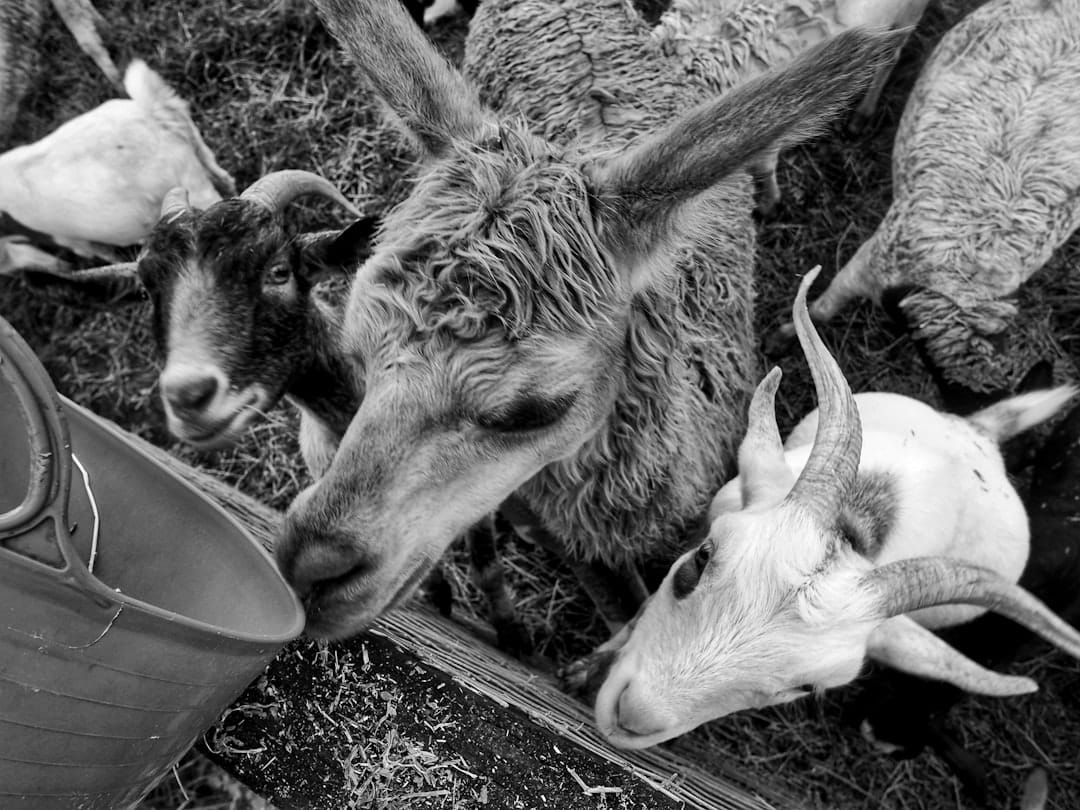
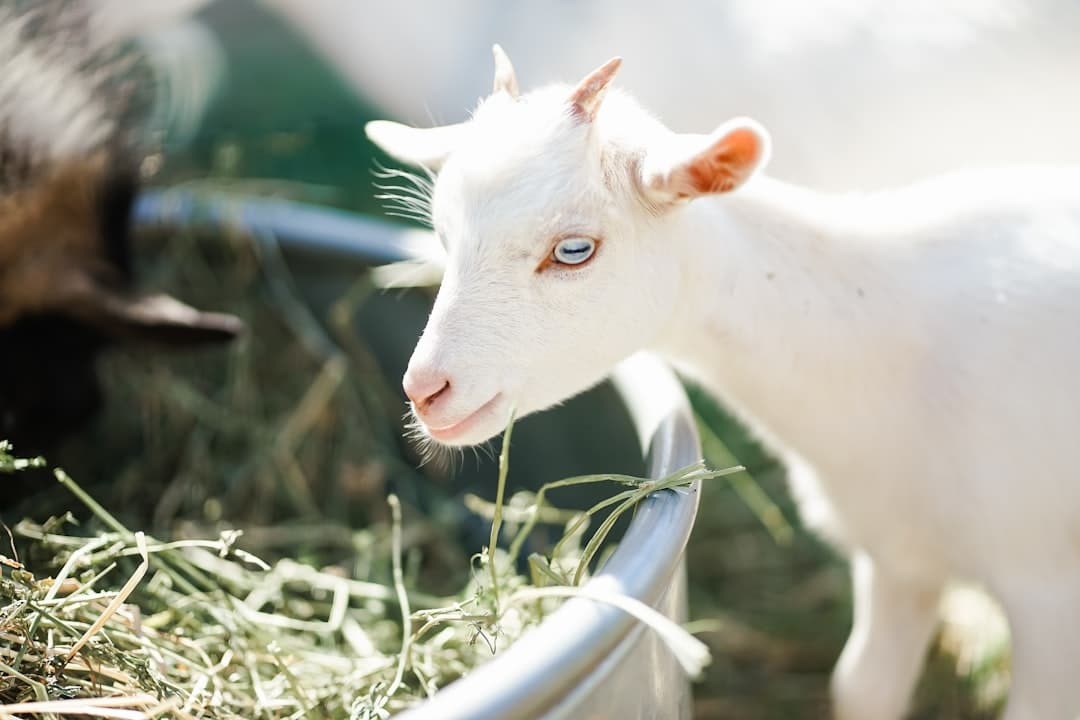
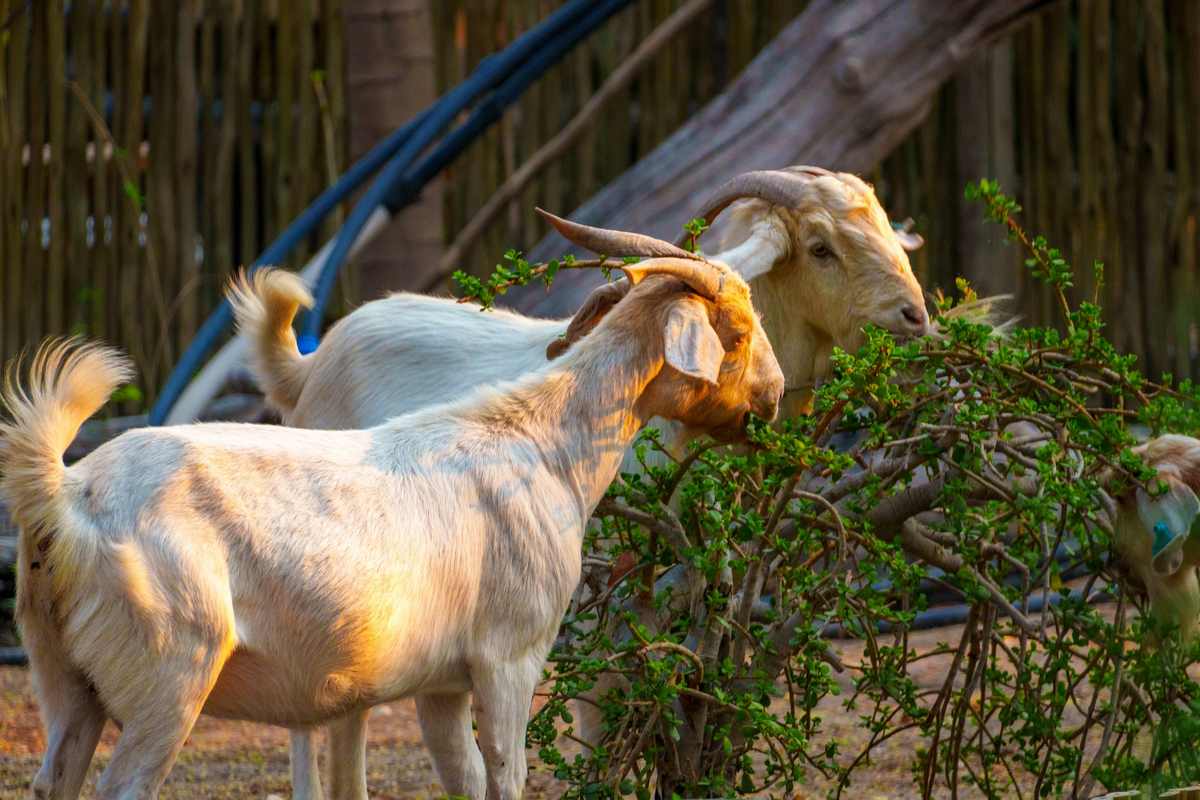
Goats are browsers, not grazers, and that single fact explains most of what makes feeding them different. They prefer shrubs, weeds, brambles, twigs, bark and leafy branches at head height over short grass at their feet, and their diet should be built around that preference rather than against it.

The other thing to know early is copper. Goats need considerably more of it than sheep, and feeding sheep minerals to goats causes a deficiency that is easy to avoid and unpleasant to fix.

Browsers, Not Grazers

Cattle and sheep are grazers, built to eat grass close to the ground. Goats evolved on scrubby, mountainous terrain where survival meant reaching up for leaves, bark, twigs and woody plants that other livestock could not use. Given a choice, a goat will strip a bramble thicket before touching a good pasture.

This has two practical consequences. Goats are outstanding at clearing overgrown ground, which is why they are hired for exactly that job. And goats kept on grass-only pasture are being fed against their nature, which tends to show up as poor condition and a much higher parasite burden, because grazing at ground level is where they pick up worms.

Quick Facts: Why Browsing Matters

  • Goats prefer vegetation at head height over ground-level grass
  • Browse means shrubs, brambles, weeds, twigs, bark and tree leaves
  • Browsing keeps them away from ground level, which lowers parasite load
  • Goats will clear overgrown scrub other livestock ignore
  • A goat on grass-only pasture is working against its own biology

The Daily Diet

  • Browse and pasture. The foundation where available, ideally including woody and weedy growth, not just grass.
  • Hay. The winter staple and the fallback whenever browse runs short. Grass hay suits most goats; alfalfa suits milkers and growing kids needing more protein and calcium.
  • Grain or pellets. Fed to milkers, pregnant does and growing kids that need more than forage supplies. Most maintenance goats do not need grain at all.
  • Loose minerals. Goat-specific, offered free-choice, not a block.
  • Clean water. Constantly. Goats are notably fussy and will drink less if water is dirty.

Grain is where a lot of goats get into trouble. Sudden or excessive grain causes bloat and can trigger enterotoxaemia. Any change in ration should be introduced gradually across a week or more. For specific products and feeding by life stage, our goat feed guide goes into detail.

Copper: The Difference That Matters

Goats require substantially more dietary copper than sheep, and sheep are unusually sensitive to copper toxicity. Because of that, sheep minerals are deliberately copper-restricted.

Feed those sheep minerals to goats over any length of time and you produce copper deficiency: a faded, rusty-looking coat, a fish-tail appearance to the tail hair, poor growth, and reduced fertility. The fix is straightforward, use loose minerals formulated specifically for goats. Never assume a generic “sheep and goat” mineral is adequate, because those are usually formulated to the sheep’s lower tolerance.

Loose minerals are preferable to blocks. A goat’s tongue is not well suited to getting a useful amount off a hard block, and intake is difficult to judge.

Plants That Are Toxic to Goats

The “goats eat anything” reputation is dangerous here. Goats are actually fairly selective, but they will sample unfamiliar plants, and several ornamentals common in yards are seriously toxic.

PlantNote
Rhododendron and azaleaAmong the most common serious goat poisonings
Mountain laurelSame plant family, equally dangerous
YewExtremely toxic, small amounts can be fatal
Wilted wild or black cherry leavesWilting is the danger, it releases cyanide compounds
MilkweedToxic and commonly present in pasture
OleanderHighly toxic
NightshadesIncludes green potato foliage and related plants

Worth stressing: wilted cherry leaves are more dangerous than fresh ones. A branch that falls or is pruned into a goat pen becomes hazardous as it dries, so clear prunings rather than leaving them.

The Bottom Line

Give goats browse rather than just grass, good hay when browse is short, goat-specific loose minerals with adequate copper, and grain only where production genuinely demands it. Then walk your fence line and remove the rhododendron.

If you are choosing animals, see our guide to goat breeds for beginners. For how goats compare with the rest of the yard, see what most farm animals eat, or browse the full farm feed hub.

Other feeding guides in this group (ruminants): cows eat, sheep eat. Or start from the overview of what most farm animals eat.

Are goats grazers or browsers?

Browsers. Goats prefer shrubs, weeds, brambles, twigs, bark and leaves at head height over ground-level grass. That is why they clear overgrown scrub so effectively and why grass-only pasture suits them poorly.

Do goats really eat anything?

No, that is a myth. Goats are curious and will taste-test unfamiliar things, but they are fairly selective feeders. The reputation is dangerous because several common ornamental plants, including rhododendron, azalea and yew, are seriously toxic to them.

Can goats eat sheep minerals?

No, not long term. Sheep minerals are deliberately copper-restricted because sheep are sensitive to copper toxicity, while goats need considerably more. Feeding them to goats causes copper deficiency, showing as a faded rusty coat, fish-tail hair, poor growth and reduced fertility.

Do goats need grain?

Most maintenance goats do not. Grain is for milkers, pregnant does and growing kids whose needs exceed what forage supplies. Introduce any grain gradually, because sudden increases cause bloat and can trigger enterotoxaemia.

What plants are toxic to goats?

Rhododendron, azalea, mountain laurel, yew, oleander, milkweed, nightshades, and wilted wild or black cherry leaves. Wilted cherry leaves are more dangerous than fresh ones, so clear prunings out of goat pens.

Is hay or pasture better for goats?

Both have a place. Browse and pasture are ideal in season, ideally including woody and weedy growth rather than just grass. Hay is the winter staple and the fallback whenever browse runs short.

Categories
Farm Feed

What Do Geese Eat? A Complete Feeding Guide

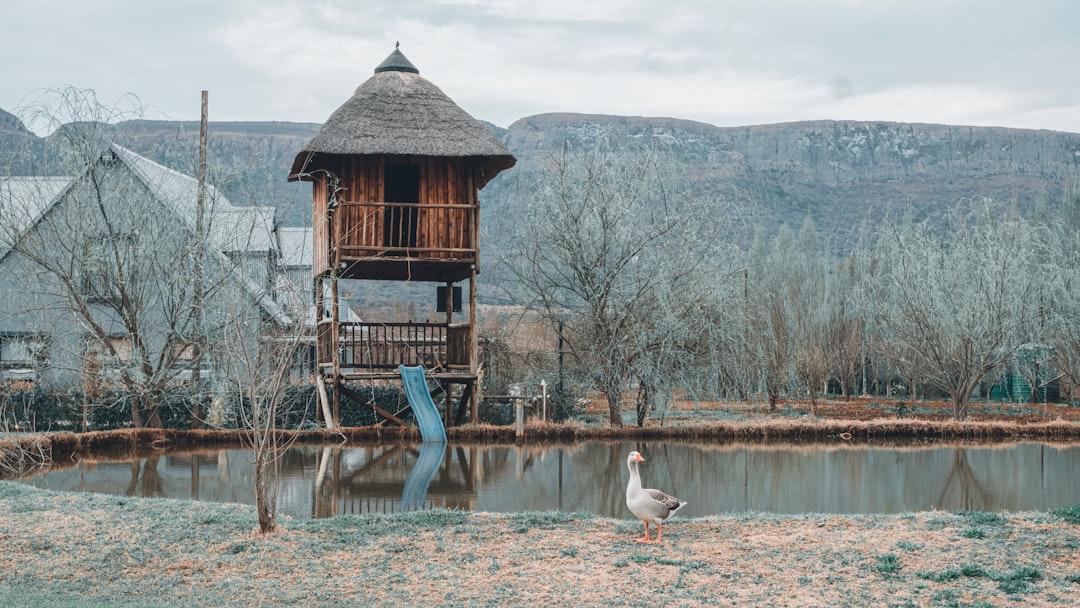
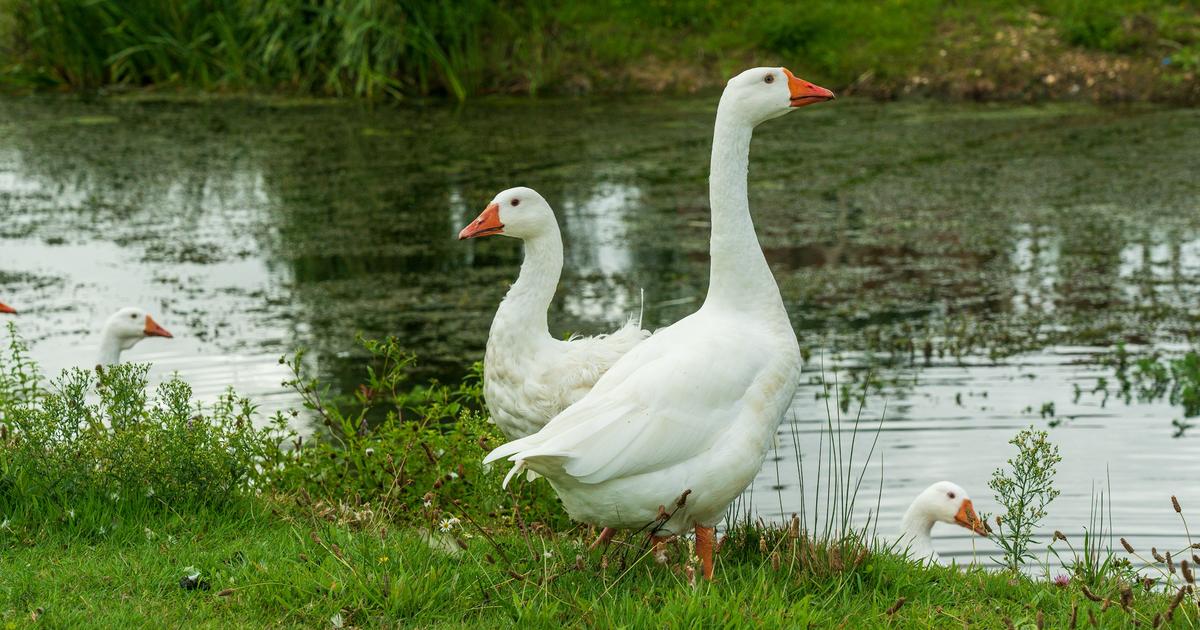
Geese are grazers, and that makes them unusual among poultry. Good pasture can supply the bulk of an adult goose’s diet through the growing season, supplemented with grain or waterfowl pellets. No other common farmyard bird gets as much of its living from grass.

If you arrived here about the wild geese on your local pond, skip to the section below, the answer is different, and it is mostly “please not bread”.

Geese Are Grazers

A goose has a serrated bill and a digestive system suited to stripping and processing grass, and a flock on good pasture will spend most of the day doing exactly that. Given enough decent grazing, adult geese can get through summer on very little supplementary feed, which is why they have historically been kept as low-input meat birds on smallholdings.

That grazing habit has a practical consequence: geese need grass, not just outdoor space. A bare dirt run does not work for geese the way it can for chickens, and short, young, actively growing grass is far better for them than long rank growth.

Quick Facts: Feeding Geese

  • Pasture is the foundation, geese are true grazers
  • Supplement with grain or waterfowl pellets, more in winter
  • Like ducks, geese need extra niacin compared with chickens
  • Never feed layer pellets to goslings, the calcium is harmful
  • Water deep enough to dip the whole bill must be available with feed

What to Feed Domestic Geese

  • Pasture. Short, growing grass. The main feed from spring through autumn.
  • Waterfowl or poultry pellets. A maintenance ration, increased as grazing declines.
  • Grain. Wheat, barley and cracked corn, useful for finishing and for winter energy.
  • Greens and vegetables. Lettuce, cabbage, chard and most garden surplus.
  • Grit. Needed to grind fibrous grass, especially for birds without access to soil.

Geese eat a surprising amount in winter, when grazing disappears and their energy needs rise. Plan on feeding considerably more from late autumn, and do not assume last summer’s intake is a guide.

Niacin and Goslings

Like ducklings, goslings need more niacin than chicks do, and a deficiency shows up as leg weakness and joint problems in fast-growing birds. Waterfowl starter is the straightforward answer. If you can only get chick starter, supplement it with brewer’s yeast, as covered in our guide to what ducks eat.

One firm rule: never feed layer pellets to goslings. The calcium level is set for laying birds and damages the kidneys of growing ones. Goslings also grow extremely fast, faster than almost any other poultry, so getting the starter ration right matters more here than with chicks.

What Do Canada Geese and Other Wild Geese Eat?

Wild geese graze grasses, sedges and aquatic plants, and in agricultural areas they feed heavily on waste grain and young cereal crops, which is exactly why farmers find them a nuisance. They are entirely capable of feeding themselves year-round without help.

If you want to feed the geese at your local pond, the important thing is what not to use. Bread, crackers and chips are nutritionally empty and very filling, and in growing birds a carbohydrate-heavy diet is associated with angel wing, a permanent deformity where the wing joint twists outward. Cracked corn, oats, chopped lettuce, peas and birdseed are all better options.

Worth knowing too: heavy feeding concentrates birds in one place, which increases disease transmission and can stop flocks migrating normally. Feeding sparingly, or not at all, is genuinely kinder.

Foods to Avoid

AvoidWhy
Bread, crackers, chips, popcornNutritionally empty, linked to angel wing in growing birds
Layer feed for goslingsCalcium level damages growing kidneys
Anything mouldyMycotoxins, geese are as vulnerable as other poultry
AvocadoToxic to birds
Onions in quantityCan damage red blood cells
Dried or raw beansLectins are toxic until fully cooked
Long, rank grassNot toxic, but poorly digested compared with short growth

Geese pair well with other waterfowl on a smallholding, see our guide to raising ducks for the closest comparison. For how this compares across the rest of the yard, see our overview of what most farm animals eat, or browse the full farm feed hub.

Other feeding guides in this group (poultry and waterfowl): chickens eat, ducks eat, turkeys eat. Or start from the overview of what most farm animals eat.

What do geese eat?

Mostly grass. Geese are true grazers and good pasture can supply the bulk of an adult goose’s diet in the growing season, topped up with grain or waterfowl pellets and increased substantially in winter.

Do geese eat grass?

Yes, more than any other common farmyard bird. Their serrated bill and digestive system are built for stripping and processing grass, so they need actual grazing rather than just outdoor space.

What do Canada geese eat?

Grasses, sedges and aquatic plants, plus waste grain and young cereal crops where farmland is available. They feed themselves perfectly well year-round and do not need supplementary feeding.

Can you feed bread to geese?

You shouldn’t. Bread is nutritionally empty and very filling, so birds eat less of what they need, and in growing birds a carbohydrate-heavy diet is linked to angel wing, a permanent wing deformity. Cracked corn, oats, peas or chopped lettuce are far better.

What do goslings eat?

Waterfowl starter feed. Goslings need more niacin than chicks and grow extremely fast, so the starter ration matters. Never give them layer pellets, the calcium harms growing kidneys.

How much do geese eat in winter?

Considerably more than in summer, because grazing disappears just as their energy requirement rises. Expect to supply most of their intake as pellets and grain from late autumn onward.

Categories
Farm Feed

What Do Ducks Eat? A Complete Feeding Guide

Ducks are omnivores. In practice that means a base of formulated waterfowl or poultry feed, topped up with leafy greens, peas, grains, and all the slugs, snails and worms they can find themselves. What they should not live on is bread, which is the single most common feeding mistake people make with ducks.

The other thing that separates ducks from chickens is niacin. Ducks need noticeably more of it, and ducklings that do not get enough develop leg and joint problems that are difficult to reverse. That one nutrient shapes most of the practical advice below.

What Ducks Eat Naturally

Left to themselves, ducks forage constantly. They dabble in shallow water for duckweed, algae and aquatic insects, strip seeds from grasses, and hunt slugs, snails, worms and beetle larvae across damp ground. A duck working a vegetable patch is doing genuine pest control, which is one of the better arguments for keeping them alongside a garden.

That foraging instinct is worth designing around rather than fighting. Ducks with access to grass and damp ground will supply a real share of their own protein in the warmer months, and they will eat slugs that would otherwise cost you seedlings.

What to Feed Ducks Day to Day

The base of the diet should be a formulated feed. Waterfowl feed is ideal; a general poultry or flock-raiser feed works too, with the niacin caveat below. Everything else is a supplement to that base, not a replacement for it.

  • Leafy greens. Lettuce, kale, chard, cabbage and weeds from the yard, chopped so they are easy to swallow.
  • Peas and corn. Frozen peas thawed in water are close to a universal duck favourite and a genuinely good treat.
  • Grains. Cracked corn, wheat, barley and cooked oats, fed in moderation rather than as a staple.
  • Protein. Slugs, snails, worms and insects, mostly self-collected. Mealworms are a useful supplement during moult.
  • Vegetable scraps. Most non-toxic vegetable trimmings are fine, chopped small.

Ducks need water available whenever they are eating. They swallow by washing food down, and a duck with feed but no water can choke. A shallow, stable water source next to the feeder solves it, see our guide to choosing a water trough if you are setting up something more permanent.

Why You Should Not Feed Ducks Bread

Bread is not poisonous, which is why the myth survives. The problem is that it is nutritionally empty and extremely filling. Ducks that fill up on bread eat less of what they actually need, and the effect compounds fastest in growing birds.

In young waterfowl this shows up as angel wing, a deformity where the wing joint twists outward and the flight feathers splay sideways instead of lying flat. It is associated with diets too high in carbohydrate and too low in the nutrients growing birds need. Once the bone has set, it does not correct.

The same logic rules out crackers, chips, popcorn and most other bread-adjacent human snacks. If you want to feed ducks at a pond, thawed peas, chopped greens, oats or birdseed all do the job without the downside.

Niacin: The One Nutrient Ducks Need More Of

Ducks require more niacin (vitamin B3) than chickens do, and ducklings are the most vulnerable. A deficient duckling develops bowed legs, swollen hock joints, reluctance to walk and stunted growth. Caught early it is correctable; left too long it is not.

This matters most if you are raising ducklings on chick starter, which is formulated for chickens and is often short of niacin for waterfowl. The standard fix is brewer’s yeast, roughly a pound stirred through a 40-pound bag of chick starter. Feed stores also sell waterfowl-specific starter, which avoids the problem entirely and is the simpler option if you can get it.

Quick Facts: Feeding Ducklings

  • Ducklings need more niacin than chicks do
  • Use waterfowl starter where available
  • On chick starter, supplement with brewer’s yeast (~1 lb per 40 lb feed)
  • Deficiency signs: bowed legs, swollen hocks, difficulty walking
  • Always provide water alongside feed, ducks need it to swallow

Foods That Are Toxic or Unsafe for Ducks

The list is short but worth knowing, because several items are common in gardens and kitchens.

AvoidWhy
Bread, crackers, chips, popcornNutritionally empty, linked to angel wing in growing birds
Citrus and mangoCan interfere with calcium absorption and cause digestive upset
Apple, cherry, peach and apricot pitsContain compounds that release cyanide
OnionsCan damage red blood cells in quantity
AvocadoPersin is toxic to most birds
Tulips, lilies, irises, buttercups, poppies, sweet peasOrnamental plants toxic to ducks
Anything mouldyMycotoxins are dangerous and sometimes fatal
Dried or raw beansContain lectins that are toxic until properly cooked

Apple flesh is fine, it is only the seeds that are a problem, so core apples before sharing them. The same applies to stone fruit: the flesh is safe, the pit is not.

Feeding Ducks Through the Seasons

Duck appetite tracks the weather and the laying cycle. In summer, foraging supplies a real share of their intake and you may find feed consumption drops noticeably. Through winter, foraging all but disappears and they will need more feed, along with a reliable unfrozen water source.

Laying ducks need extra calcium, usually free-choice crushed oyster shell offered in a separate dish rather than mixed into feed, so birds can take what they need. During the autumn moult, protein requirements rise while laying stops, and a slightly higher-protein feed or a few extra mealworms helps them regrow feathers.

If you are raising ducks for the table as well as for eggs, our guide to raising ducks for eggs and meat covers how those goals change your feeding plan, and duck breeds for beginners covers which breeds suit which purpose.

The Bottom Line

Feed a proper waterfowl or poultry ration as the base, make sure ducklings get enough niacin, keep water beside the feed at all times, and let the birds forage for as much of their own protein as your setup allows. Treats are fine in moderation, as long as bread is not one of them.

For how duck nutrition compares with the rest of the yard, see our overview of what most farm animals eat, or browse the full farm feed hub.

Other feeding guides in this group (poultry and waterfowl): chickens eat, geese eat, turkeys eat. Or start from the overview of what most farm animals eat.

What do ducks eat naturally?

In the wild ducks eat duckweed, algae, aquatic insects, grass seeds, slugs, snails, worms and beetle larvae. Domestic ducks with access to grass and damp ground will still forage for a good share of their own protein in warmer months.

Can ducks eat bread?

They can swallow it, but they should not be fed it. Bread is nutritionally empty and very filling, so ducks eat less of what they actually need. In growing birds it is associated with angel wing, a permanent wing deformity. Thawed peas, chopped greens or oats are far better pond treats.

What should I feed ducklings?

Waterfowl starter feed is best. If you only have chick starter, supplement it with brewer’s yeast at roughly one pound per 40-pound bag, because ducklings need more niacin than chicks and deficiency causes bowed legs and swollen joints.

Do ducks need water to eat?

Yes. Ducks wash food down as they swallow, so feed should always be offered alongside a water source deep enough for them to dip their bills. A duck eating dry feed without water available can choke.

What foods are toxic to ducks?

Avoid citrus, mango, avocado, onions, dried or raw beans, anything mouldy, and the pits of apples, cherries, peaches and apricots. Several common ornamentals are also toxic, including tulips, lilies, irises and buttercups.

Do laying ducks need extra calcium?

Yes. Offer crushed oyster shell free-choice in a separate dish rather than mixing it into feed, so birds can take as much as they need and non-laying birds are not over-supplemented.

Categories
Farm Animals

Duck Breeds for Beginners: Meat, Egg-Laying & Ornamental Guide

If you’re adding ducks to your farm animals lineup, breed choice matters more than most beginners expect. A duck bred for fast meat production behaves and looks completely different from one bred to lay 300 eggs a year, and a purely ornamental breed won’t produce much of either.

Our guide to raising ducks for eggs and meat covers the day-to-day basics of housing, water, and feeding. This guide goes deeper on the breeds themselves — nine of the most common meat, egg-laying, and dual-purpose or ornamental duck breeds, plus what to weigh before picking one.

Categories
Farm Supplies

Best Water Trough for Livestock: 4 Top Picks by Size and Budget

Every animal on a homestead needs reliable access to clean water, and the trough you choose has more impact on that than most first-time owners expect. The right farm supplies setup means fewer refills, less algae, and water that doesn’t freeze solid the first cold snap of the year.

The tricky part is that “water trough” covers a huge range of products — an 8-quart rubber tub for a handful of goats has nothing in common with a 100-gallon poly tank for a small cattle herd. Material, capacity, and freeze resistance all matter, and getting any one of them wrong means more chores, not fewer.

This guide covers what actually matters when picking a trough — material, sizing by herd type, and freeze-proofing for winter — plus four real products worth considering across different budgets and animal types.

Categories
Farm Animals

Chicken Coop Plans: How to Build a Coop Step by Step

A good chicken coop is the single most important investment you’ll make when you start keeping chickens. It’s what stands between your flock and a raccoon at 2am, what keeps them dry through a February storm, and what determines whether collecting eggs is a five-minute joy or a daily headache. This guide walks through everything that goes into building a proper chicken coop, from sizing and materials to predator-proofing, ventilation, and nesting boxes — plus a few solid ready-made options if building from scratch isn’t for you.

If you haven’t already worked out flock size, feeding, and the basics of getting started, our guide on how to get started with raising chickens covers that ground first. This article picks up where that one leaves off and goes deep on the coop itself.

Categories
Farm Animals

Goat Breeds for Beginners: Meat, Dairy & Small Breeds Guide

If you’re building out your farm animals lineup, goats are one of the most rewarding additions you can make. They’re hardy, personable, and come in dozens of breeds suited to almost any homestead, whether you’re after meat, milk, or just a couple of easygoing companions to clear brush.

The tricky part isn’t whether to raise goats — it’s figuring out which of the many goat breeds actually fits your space, your climate, and your goals. A dairy breed bred for high milk yields is a poor match for someone who just wants a couple of low-maintenance browsers, and a large meat breed needs very different fencing than a Pygmy goat.

This guide breaks down the most popular meat goat breeds, dairy goat breeds, and small goat breeds, plus what you should think through before bringing your first goats home.

Categories
Farm Animals

Raising Ducks for Eggs and Meat: A Beginner’s Guide

Chickens tend to get all the attention when people think about backyard poultry, but raising ducks deserves a serious look too. Ducks are hardier in bad weather, better foragers, and several breeds are noticeably quieter than a rooster crowing at dawn.

If you’ve already gone through getting started with raising chickens, a lot of the basics will feel familiar — but ducks have their own quirks, especially around water, that are worth understanding before you bring any home.

Categories
Farm Feed

Goat Feed Guide: What to Feed Kids, Does, and Bucks

Once you’ve settled on a breed — whether that’s a meat goat, a dairy goat, or one of the smaller dual-purpose breeds — the next question is almost always the same: what should you actually be feeding it?

Goat feed isn’t one-size-fits-all. What a doe needs while nursing kids is very different from what a browsing buck needs the rest of the year, and one of the most common beginner mistakes — feeding sheep mineral to goats — can quietly make your goats sick over time.

This guide covers goat feed basics by life stage, how hay, pellets, and browse fit together, and why copper matters so much more for goats than most beginners realize.