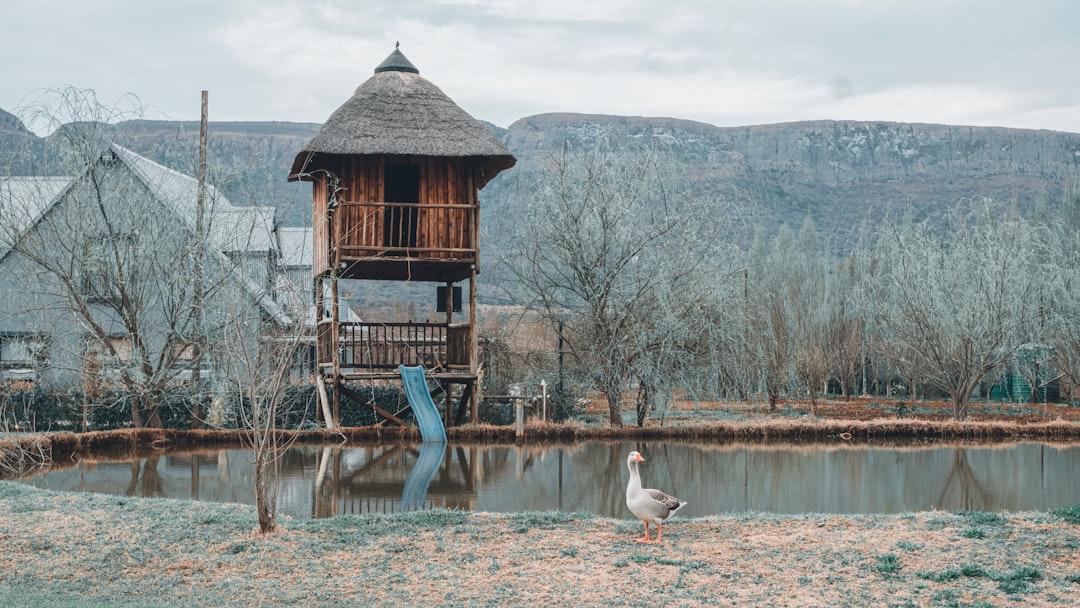
Chickens tend to get all the attention when people think about backyard poultry, but raising ducks deserves a serious look too. Ducks are hardier in bad weather, better foragers, and several breeds are noticeably quieter than a rooster crowing at dawn.
If you’ve already gone through getting started with raising chickens, a lot of the basics will feel familiar — but ducks have their own quirks, especially around water, that are worth understanding before you bring any home.
Why Raise Ducks?
Ducks bring a few genuine advantages over chickens. They’re generally hardier in cold and wet weather, thanks to their waterproof feathers and thicker layer of fat. They’re excellent foragers, happily working through slugs, snails, and other garden pests that chickens tend to ignore. And unlike a crowing rooster, most duck breeds — especially drakes — are considerably quieter, which matters if you’ve got neighbors close by.
On the flip side, ducks are messier around water and need a setup a chicken coop simply isn’t built for, which is the biggest adjustment for anyone coming from chickens.
Best Duck Breeds for Eggs
Khaki Campbell
Khaki Campbells are widely considered the best egg-laying duck breed, capable of 300+ eggs a year — on par with a good laying hen, and better than most other duck breeds by a wide margin. They’re active foragers and relatively low-maintenance once established.
Ancona
Anconas are a good dual-purpose option if you want decent egg output (around 210–280 eggs a year) without giving up much on meat quality. They’re calm, friendly, and their mottled black-and-white coloring makes them easy to tell apart from other ducks in a mixed flock.
Best Duck Breeds for Meat
Pekin
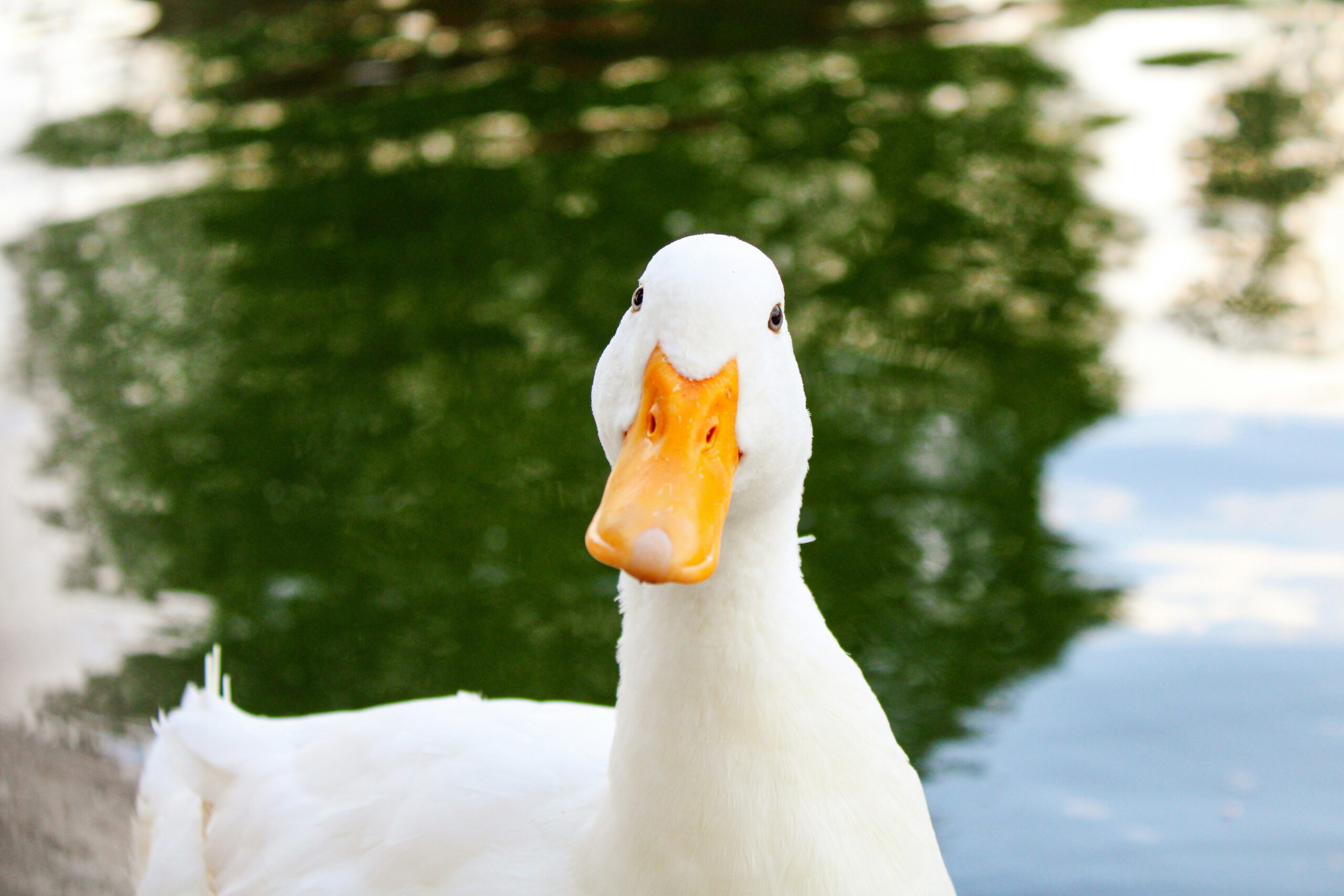
The Pekin is the classic white meat duck — the breed behind most duck meat sold commercially. They grow fast, reaching market weight in around 7–8 weeks, and their calm, friendly temperament makes them easy to manage even for first-time duck keepers.
Muscovy
Muscovies are a different bird entirely — larger, leaner, and often described as tasting closer to roast beef than typical duck. They’re also famously quiet, communicating mostly through hisses and quiet clucks rather than quacking, which makes them a favorite where noise is a concern. Note that Muscovies are strong fliers unless a wing is clipped, so factor that into your fencing.
These four breeds only scratch the surface. If you want a full side-by-side comparison of meat, egg-laying, and ornamental duck breeds — nine in total, with a comparison table — see our dedicated duck breeds guide.
Housing and Water Needs
This is where raising ducks diverges most from chickens. If you’re coming from our guide on how to build a chicken coop, know that a duck house has a few important differences.
Ducks don’t need roosting bars the way chickens do — they sleep on the ground, so a simple, well-bedded, predator-proof shelter is enough. What they do need, far more than chickens, is reliable access to open water. Ducks use water to clean their nostrils, eyes, and bills, and hens laying without water access are more prone to eye and sinus problems.
A kiddie pool, a small livestock trough, or a proper pond all work, but whatever you use, plan for the mess — ducks turn clean water into mud remarkably fast, so a setup that’s easy to drain and refill (or genuine natural flow) will save you a lot of hassle.
Feeding Basics
Ducklings need a higher-protein starter feed (around 20-22%) for their first few weeks, then can transition to a lower-protein grower or all-flock feed. Laying ducks benefit from a layer feed similar to what you’d give hens, though many keepers use an all-flock or waterfowl-specific feed since standard chicken layer feed can be slightly too low in niacin for ducklings.
Ducks are enthusiastic foragers and will happily supplement their diet with slugs, snails, and garden pests if given the space to range, which can meaningfully cut down on your feed bill compared to a coop-bound flock.
Wrapping Up
Raising ducks for eggs or meat isn’t dramatically harder than raising chickens — it just shifts the priorities. Pick a breed that matches your goal, plan for real water access from day one, and you’ll find ducks are just as rewarding an addition to the homestead as any other bird.
Frequently Asked Questions about Raising Ducks
Feeding is where new duck keepers most often go wrong, particularly around niacin. Our guide to what ducks eat covers what to feed at each stage and why bread is a poor idea.
Khaki Campbells are the top egg-laying duck breed, capable of producing 300 or more eggs a year, which rivals many chicken breeds.
Not necessarily, but they do need reliable open water access — a kiddie pool or small trough works fine — to clean their eyes, nostrils, and bills. Without it, ducks are more prone to sinus and eye issues.
Many duck breeds, especially drakes and Muscovies, are notably quieter than a crowing rooster, though laying hen ducks like Khaki Campbells can still be vocal at times.