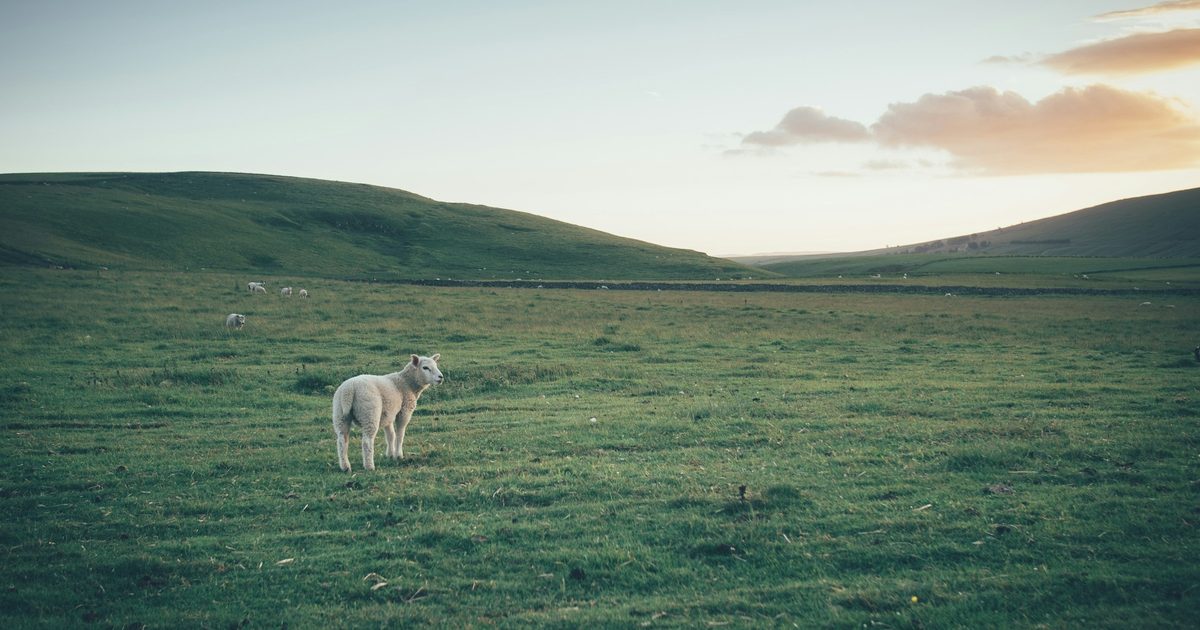
Sheep are grazers, and a good pasture plus hay in winter covers most of what they need. They are among the most forage-efficient livestock you can keep, and a healthy adult sheep on decent grass often needs no grain at all.
There is one thing about feeding sheep that matters more than anything else on this page, and it is the reason you must never feed them minerals meant for goats: sheep are the livestock species most vulnerable to copper poisoning.
🔴 Copper: Sheep Are the Opposite of Goats
Sheep liver cells hold onto copper and excrete very little of it into bile, so dietary copper accumulates over months and years rather than passing through. That makes sheep the most susceptible farm species to chronic copper toxicity, and it puts them in direct opposition to goats, which need considerably more copper than sheep can tolerate.
The practical rule is simple and absolute: never give sheep a mineral, feed or supplement formulated for goats, and be careful with anything labelled generically for cattle. One of the most common causes of copper poisoning in sheep is accidental access to feed intended for another species. If you keep both sheep and goats, separate mineral stations are not optional.
Feed testing above roughly 25 ppm copper, or with a copper-to-molybdenum ratio over about 10:1, is considered potentially toxic to sheep. Worth knowing as well: accumulated copper can be released suddenly under stress, shearing, transport, extreme weather, which is why the disease often appears after a stressful event rather than during a feed change. Our guide to what goats eat explains the requirement from the goat side, and the contrast is stark.
Quick Facts: Feeding Sheep
- Grazers, not browsers, they prefer short grass to shrubs
- Good pasture plus winter hay covers most adult needs
- 🔴 NEVER feed goat minerals to sheep, copper accumulates and kills
- Use a sheep-specific mineral, copper-restricted by design
- Most adult sheep on decent grass need no grain at all
Grazers, Not Browsers
Sheep graze close to the ground and prefer grass and short forbs, which is the opposite of a goat’s preference for shrubs and branches at head height. That difference is genuinely useful on mixed ground, sheep and goats compete far less than people expect because they target different vegetation.
It also means sheep pick up more parasites than goats do, since worm larvae concentrate in the bottom few inches of pasture. Rotating grazing rather than leaving sheep on the same ground is the main practical defence.
Pasture, Hay and When to Use Grain
- Pasture. The foundation. Mixed grass and legume swards suit sheep well.
- Hay. The winter staple. Quality matters, early-cut hay carries far more protein than late stemmy hay, see fodder types explained and feed storage.
- Grain. For ewes in late pregnancy and lactation, growing lambs, and animals in poor condition. Not for maintenance.
- Sheep mineral. Free-choice, and specifically formulated for sheep.
- Clean water. Always, and more than people expect in hot weather or on dry feed, see choosing a water trough.
Grain needs introducing gradually. A sudden load causes acidosis in sheep as it does in cattle, and in lambs a rich grain diet is a known trigger for urinary calculi in males. Late pregnancy is the point where nutrition matters most, a ewe carrying twins in her final weeks has a genuinely demanding requirement, and under-feeding then causes pregnancy toxaemia.
What Do Lambs Eat?
Lambs live on their mother’s milk for the first few weeks and start nibbling solids from around two weeks. A creep feed, offered where lambs can reach it but the ewes cannot, lets them start on concentrate before weaning and smooths the transition.
They are usually weaned at around 12 to 14 weeks. Growing lambs need better nutrition than adults, both more protein and more energy, so this is one of the stages where grain earns its place.
Plants and Feeds to Avoid
| Avoid | Why |
|---|---|
| 🔴 Goat or generic cattle minerals | Copper accumulation, the single biggest feeding risk to sheep |
| Sudden large amounts of grain | Acidosis; in ram lambs, urinary calculi |
| Mouldy hay or spoiled silage | Mycotoxins and listeria risk |
| Rhododendron, azalea, mountain laurel | Highly toxic, same family that poisons goats |
| Wilted wild or black cherry leaves | Cyanide compounds, more dangerous wilted than fresh |
| Lush legume pasture on an empty stomach | Bloat risk, fill on hay first |
| Copper-supplemented pig or poultry feed | Copper levels formulated for other species are dangerous here |
For how this compares across the rest of the yard, see our overview of what most farm animals eat, or browse the full farm feed hub.
Other feeding guides in this group (ruminants): cows eat, goats eat. Or start from the overview of what most farm animals eat.
Mainly grass. Sheep are grazers, and good pasture plus hay through winter covers most of what an adult sheep needs. Most sheep on decent grass require no grain at all.
No, and this is the most important rule in feeding sheep. Sheep accumulate copper in the liver and excrete very little, making them the farm species most vulnerable to chronic copper poisoning. Goat minerals contain far more copper than sheep can safely tolerate. Always use a sheep-specific mineral.
Grazers. They feed close to the ground on grass and short forbs, unlike goats, which browse shrubs and branches at head height. It also means sheep pick up more parasites, since worm larvae sit in the lowest few inches of pasture.
Usually not for maintenance. Grain is for ewes in late pregnancy and lactation, growing lambs, and animals in poor condition. Introduce it gradually, since sudden grain causes acidosis and, in ram lambs, urinary calculi.
Milk for the first few weeks, then solids from around two weeks, often via a creep feed the ewes cannot reach. Weaning is usually at 12 to 14 weeks, and growing lambs need more protein and energy than adults.
As a rough guide, sheep eat around 2 to 4% of their body weight in dry matter daily, so a 150 lb ewe eats roughly 3 to 6 lb. Late pregnancy and lactation sit at the top of that range.