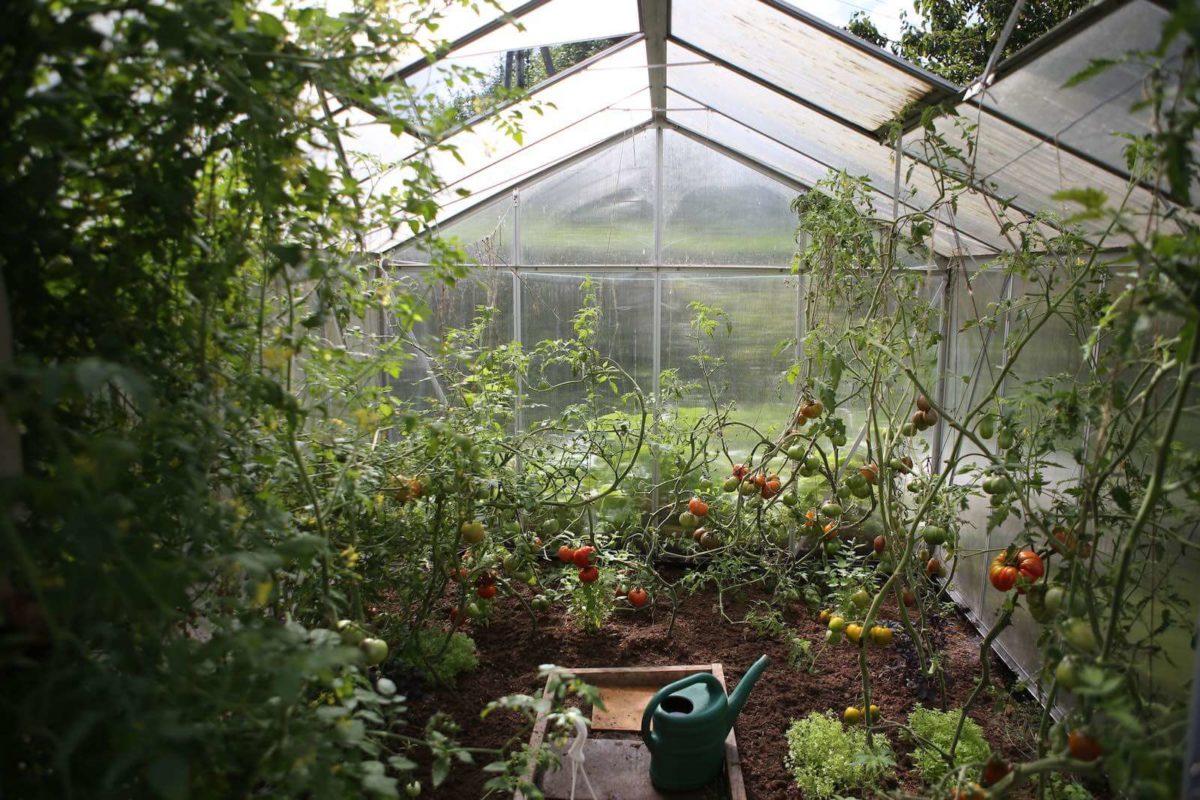
There has never been a better time to start growing your own vegetables. Whether you have a sprawling backyard, a modest patio, or just a sunny windowsill, cultivating your own food is one of the most rewarding things you can do. It saves money at the grocery store, puts fresher and healthier produce on your table, and gives you a hands-on connection to the food you eat every single day. If you have been thinking about starting a vegetable garden, this guide walks you through exactly why it matters and how to get going, even if you have never planted a seed before.
The Real Benefits of Growing Your Own Vegetables
Growing vegetables at home goes well beyond the satisfaction of picking a ripe tomato off the vine. The benefits stack up quickly once you get started, and many of them might surprise you.
You Know Exactly What You Are Eating
When you grow your own produce, you control every step of the process. There are no mystery pesticides, no wax coatings, and no questionable growing practices. You decide whether to go fully organic, which fertilizers to use, and when to harvest. That level of control is nearly impossible to get from a supermarket, no matter how carefully you read the labels.
Fresher Produce Means Better Nutrition
Store-bought vegetables often travel hundreds or even thousands of miles before they reach your kitchen. During that journey, they lose nutrients. Vegetables harvested from your own garden and eaten the same day retain far more vitamins and minerals. Leafy greens like spinach and kale, for example, begin losing vitamin C within hours of being picked. A backyard garden shortens that supply chain to about ten steps from your back door.
It Saves Real Money Over Time
A single packet of tomato seeds costs a couple of dollars and can produce dozens of pounds of tomatoes over a growing season. Herbs like basil, cilantro, and parsley, which cost several dollars per small bunch at the store, grow abundantly from inexpensive seeds. The upfront investment in soil, containers, or raised garden beds pays for itself surprisingly fast, especially if you focus on high-value crops that you buy regularly.
It Gets You Outside and Moving
Gardening is genuinely good exercise. Digging, planting, weeding, and watering all keep your body active without feeling like a workout. It also gets you outdoors and away from screens, which most of us could use more of. Many gardeners find the routine meditative. It is a welcome break from the pace of daily life.
Easiest Vegetables to Grow for Beginners
If you are new to vegetable gardening, start with crops that are forgiving, fast-growing, and hard to mess up. These vegetables are ideal for first-time growers because they do not require advanced techniques or perfect conditions. Once you build confidence with these, you can branch out to more demanding crops.
Lettuce and Salad Greens
Lettuce is one of the fastest vegetables to grow. Many varieties go from seed to harvest in just 30 to 45 days. Loose-leaf varieties like red leaf, butterhead, and mesclun mixes are especially beginner-friendly because you can harvest outer leaves while the plant keeps producing. They grow well in containers, raised beds, or directly in the ground, and they actually prefer cooler weather, making them perfect for spring and fall planting.
Tomatoes
Tomatoes are the most popular home garden vegetable for good reason. They are productive, relatively easy to manage, and taste incomparably better than anything from a store. Cherry tomato varieties are particularly good for beginners because they are prolific and less prone to cracking or blossom-end rot than larger varieties. If space is limited, growing cherry tomatoes in pots works remarkably well on a patio or balcony.
Zucchini and Summer Squash
Zucchini is famously productive. A single plant can yield several pounds of squash per week during peak season. Plant seeds directly in the ground after the last frost, give them plenty of sun and water, and you will have more zucchini than you know what to do with. They do need space, though. Each plant spreads about three to four feet, so plan accordingly.
Radishes
Radishes are the ultimate beginner crop. They sprout in days, mature in as little as three to four weeks, and grow in almost any soil. They are great for teaching kids about gardening or for filling gaps between slower-growing plants. Try varieties like Cherry Belle or French Breakfast for reliable results.
Green Beans
Bush beans are straightforward to grow and produce a generous harvest. Plant seeds directly in the soil after the danger of frost has passed, and they will be ready to pick in about 50 to 60 days. They also fix nitrogen in the soil, which benefits whatever you plant in that spot next season.
Herbs: Basil, Mint, and Chives
While not technically vegetables, culinary herbs deserve a spot in every beginner garden. Basil thrives in warm weather alongside tomatoes. Mint grows so vigorously it is best kept in its own container. Chives are nearly indestructible perennials that come back year after year. All three save you money and add fresh flavour to your cooking on a daily basis.
Container Gardening: Growing Vegetables Without a Yard
One of the biggest misconceptions about vegetable gardening is that you need a large yard. You do not. Container gardening opens the door for apartment dwellers, renters, and anyone with limited outdoor space. A sunny balcony, patio, or even a south-facing window can produce a surprising amount of food.
Here are some vegetables that thrive in containers:
- Cherry tomatoes: Use a pot at least 12 inches deep with a small cage or stake for support.
- Peppers: Both sweet and hot peppers do well in five-gallon containers.
- Lettuce and spinach: Shallow containers or window boxes work perfectly for leafy greens.
- Radishes and green onions: These compact crops grow quickly in almost any container.
- Herbs: A single windowsill planter can hold basil, parsley, and chives together.
- Microgreens: If you are really short on space, growing microgreens on a countertop is an excellent way to produce nutrient-dense greens indoors year-round.
The keys to successful container gardening are good drainage, quality potting mix, and consistent watering. Containers dry out faster than garden beds, so check soil moisture daily during warm weather. A simple drip irrigation setup can take the guesswork out of watering if you tend to forget.
Seasonal Tips: What to Plant and When
Timing matters more than most beginners realise. Planting the right crops at the right time of year dramatically improves your chances of success. A solid understanding of seasonal gardening is one of the most valuable skills you can develop as a home grower.
Spring (March through May)
Spring is prime planting season. Start cool-weather crops like lettuce, peas, spinach, and radishes as soon as the soil can be worked. Once nighttime temperatures stay consistently above 50°F, you can transplant warm-weather seedlings like tomatoes, peppers, and squash outdoors. Starting seeds indoors four to six weeks before your last frost date gives warm-weather crops a head start.
Summer (June through August)
Summer is all about maintenance and harvesting. Keep up with watering. Most vegetable gardens need about one inch of water per week, more during heat waves. Mulch around plants to retain moisture and suppress weeds. Harvest crops like beans, tomatoes, cucumbers, and zucchini regularly to encourage continued production. Mid-summer is also a good time to plant a second round of fast-growing crops like bush beans and lettuce for a fall harvest.
Fall (September through November)
Fall is an underrated growing season. Cool-weather crops like kale, broccoli, carrots, and beets actually taste better after a light frost, which converts some of their starches to sugars. Plant fall crops about eight to ten weeks before your expected first frost date. This is also the ideal time to start building a composting system so you have rich, homemade compost ready for spring.
Winter (December through February)
In most climates, outdoor growing slows down or stops during winter. But that does not mean the gardening has to end. A small greenhouse or cold frame extends your season by several weeks on both ends. Indoors, you can grow microgreens, sprouts, and herbs on a sunny windowsill. Winter is also the perfect time to plan next year’s garden, order seeds, and prepare your beds.
Getting Started: Practical Steps for Your First Garden
Starting a vegetable garden does not require a big budget or expert knowledge. Here is a simple step-by-step approach that works whether you are working with a backyard plot or a few containers on a deck.
- Pick your spot. Choose the sunniest area you have. Most vegetables need at least six to eight hours of direct sunlight per day.
- Start small. A 4×8 foot raised bed or four to five large containers is plenty for a first garden. You can always expand next year.
- Invest in good soil. Healthy soil is the foundation of a productive garden. If you are using raised beds, fill them with a mix of topsoil, compost, and peat moss or coconut coir.
- Choose easy crops. Stick to the beginner-friendly vegetables listed above for your first season. Success breeds confidence.
- Get the right tools. You do not need much to start. A trowel, a watering can, and a pair of garden gloves will cover the basics. Check out this guide to essential gardening tools for a more complete list.
- Water consistently. Most vegetables prefer deep, infrequent watering over light, daily sprinkles. Water at the base of the plant in the morning when possible.
- Feed your plants. Vegetables are hungry growers. A balanced organic fertilizer applied every few weeks keeps them producing. You can even make your own fertilizer from kitchen scraps and garden waste.
Growing Beyond the Basics
Once you have a season or two under your belt, the possibilities expand quickly. Many home gardeners find themselves wanting to grow more food, try new varieties, and even turn their hobby into something more.
If you are interested in the differences between traditional and urban farming, you will find that small-scale urban growing is more accessible than ever. Vertical gardening, hydroponic systems, and intensive raised-bed methods let you produce a remarkable amount of food in a compact space.
Some growers eventually look into the most profitable crops for a small farm, turning a backyard garden into a side income through farmers’ markets or community-supported agriculture programs. Others expand into broader homesteading, raising chickens, preserving food, or building more self-sufficient households.
Whatever direction you take it, the foundation starts the same way: a few seeds, some good soil, and the decision to grow something. Browse our home and garden supplies for everything you need to get your garden started this season.
Frequently Asked Questions
Radishes and lettuce are the easiest vegetables for complete beginners. Radishes mature in as little as three to four weeks and require very little care beyond regular watering. Loose-leaf lettuce is similarly forgiving and can be harvested continuously by picking outer leaves. Both crops grow well in containers, raised beds, or directly in the ground.
You do not need much space at all. A 4×8 foot raised bed can produce a meaningful amount of food for a household. Even a sunny balcony with a few large containers can yield tomatoes, peppers, herbs, and salad greens. If indoor space is all you have, microgreens and herbs grow well on a windowsill with at least four to six hours of sunlight.
Savings vary depending on what you grow and how much you currently spend on produce. High-value crops like tomatoes, peppers, and herbs offer the best return because they are expensive to buy but cheap to grow. A well-maintained home garden can realistically save a household several hundred dollars per year on groceries, especially if you grow during multiple seasons and preserve some of your harvest.
Spring is the most popular time to start, but the best timing depends on your climate and what you want to grow. Cool-weather crops like lettuce, peas, and spinach can be planted as soon as the soil is workable in early spring. Warm-weather crops like tomatoes and peppers go outdoors after the last frost. In many regions, fall is an excellent second planting season for crops like kale, broccoli, and carrots.
Yes, several vegetables and herbs grow well indoors with adequate light. Microgreens, sprouts, lettuce, and herbs like basil and chives are the best options for indoor growing. A south-facing window that gets at least four to six hours of direct light is ideal. For more consistent results, a small grow light setup lets you grow indoors year-round regardless of natural light conditions.
5 replies on “Why You Should Grow Your Own Vegetables”
[…] how problematic fruit flies can be. They seem to appear out of nowhere to ruin your hard earned and home grown […]
[…] winter may seem like an off-season for gardening, a few cool-season vegetables grow best in winter. Besides, winter allows jump-starting the growing season by planting cold-hardy […]
[…] This principle is about using renewable resources and making the most of your resources. You can do this by harvesting rainwater, using solar energy, or growing your own food. […]
[…] in multiple cropping are varied and plentiful. You can cultivate your favorite plants, fruits, and vegetables to create your perfect […]
[…] is basically pollinating all of the plants in your area, giving you more fruits and vegetables than if they weren’t […]