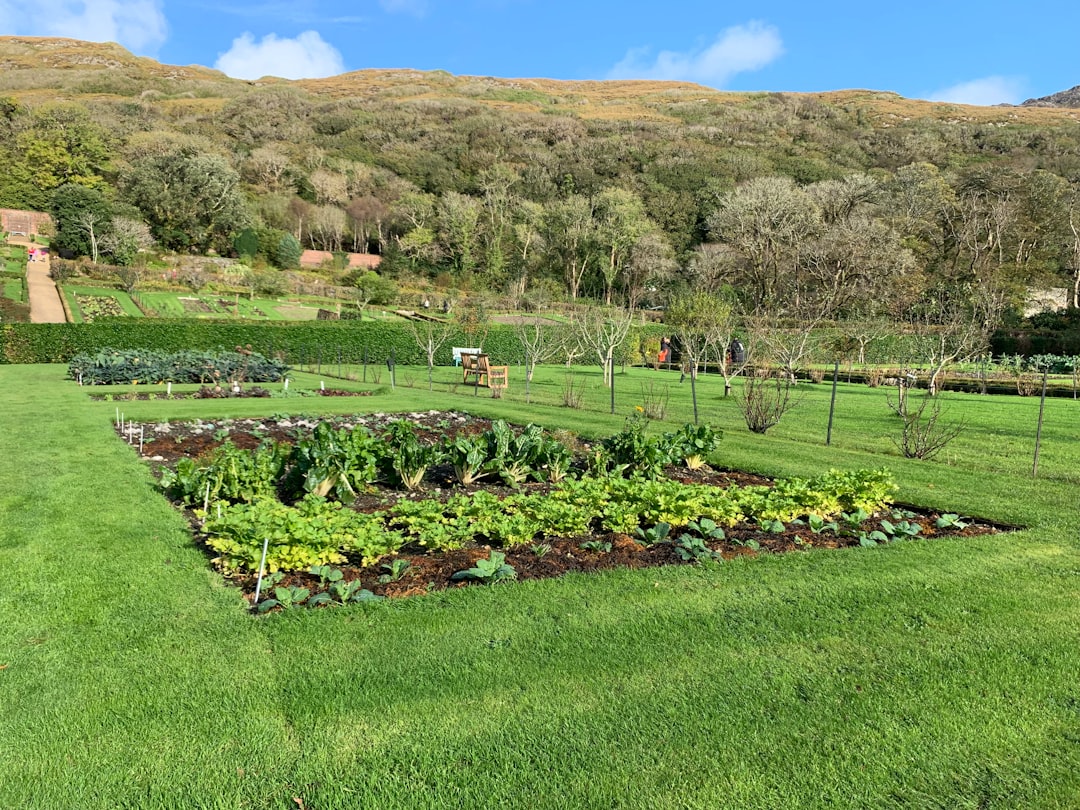
Some vegetables genuinely make each other better neighbors, and some quietly sabotage each other’s growth. Companion planting is the practice of pairing crops that help one another — through pest deterrence, nutrient sharing, or simple use of space — while keeping the bad pairings apart.
It’s one of the oldest tricks in farming and home gardening alike, and you don’t need a science degree to use it well. You mostly just need a reliable companion planting chart to reference when you’re laying out beds each spring.
This guide covers the classic companion planting pairings, the combinations you should actively avoid, and a full reference chart you can come back to season after season.
What Is Companion Planting?
Companion planting means growing two or more crops close together because of how they benefit each other, rather than just planting whatever fits in the remaining space. The benefits usually fall into a few categories: pest confusion (strong-scented herbs masking a crop’s smell from pests), physical support (a tall plant giving a climbing plant something to grow up), nitrogen sharing (legumes feeding nitrogen back into the soil for heavy feeders), and shade or ground cover (a low, spreading plant keeping soil cool and suppressing weeds around a taller one).
It’s closely related to intercropping and polyculture at a larger farm scale — companion planting is essentially that same idea applied at garden-bed size.
Classic Companion Planting Pairings
Tomatoes and Basil
This is the pairing most gardeners learn first, and it earns its reputation. Basil’s strong scent is thought to help confuse pests like aphids and hornworms, and the two plants share similar water and sun needs, which makes bed planning simple.
Corn, Beans, and Squash (The Three Sisters)
The Three Sisters method, used by Indigenous farmers across North America for centuries, plants all three together: corn provides a natural pole for beans to climb, beans fix nitrogen in the soil that the heavy-feeding corn benefits from, and squash’s broad leaves shade the ground to suppress weeds and retain moisture. It’s one of the most complete companion planting systems around, and a great case study if you want to see the logic in action.
Carrots and Onions
Onions are believed to help repel carrot flies with their scent, while carrots return the favor against onion-targeting pests. Both are root vegetables that grow at different depths and don’t compete much for space, so they slot neatly into the same bed.
Plants to Keep Apart
Bad companion planting pairings are just as important to know as the good ones.
Beans and Onions
Onions (and the rest of the allium family, including garlic and leeks) actually inhibit the growth of beans and peas. It’s the reverse of the carrot-onion relationship above — alliums are good neighbors for some crops and genuinely bad ones for legumes.
Tomatoes and Brassicas
Tomatoes and members of the brassica family (cabbage, broccoli, kale, Brussels sprouts) tend to stunt each other when planted close together, and they also compete heavily for the same soil nutrients. Keep them in separate beds where possible.
Companion Planting Chart
Use this companion planting chart as a quick reference when you’re planning out beds.
| Vegetable | Good Companions | Bad Companions | Why |
|---|---|---|---|
| Tomatoes | Basil, carrots, onions | Brassicas, corn | Basil deters pests; brassicas and tomatoes compete for nutrients |
| Corn | Beans, squash, cucumbers | Tomatoes | Three Sisters synergy; corn and tomatoes share pest/disease risks |
| Beans | Corn, squash, carrots | Onions, garlic | Fixes nitrogen for heavy feeders; alliums inhibit legume growth |
| Squash | Corn, beans, radishes | Potatoes | Broad leaves shade soil and suppress weeds; competes with potatoes for space |
| Carrots | Onions, tomatoes, peas | Dill | Onions repel carrot flies; dill can stunt carrot roots |
| Onions | Carrots, tomatoes, cabbage | Beans, peas | Deters several pests; inhibits legume growth |
| Cabbage/Brassicas | Onions, herbs, beets | Tomatoes, strawberries | Strong-scented herbs mask brassicas from pests; tomatoes stunt growth |
| Cucumbers | Corn, beans, radishes | Aromatic herbs (sage) | Radishes deter cucumber beetles; strong herbs can slow cucumber growth |
Getting Started With Companion Planting
You don’t need to redesign your whole garden to start using companion planting — pick one or two pairings from the chart above and work them into your existing bed layout this season. If you’re thinking about companion planting because you’re planning to grow and sell produce, it’s also worth reading up on the most profitable crops for a small farm, since smart pairings can help you fit more high-value crops into the same footprint.
Keep notes on what worked and what didn’t each season — companion planting has a lot of general rules of thumb, but your specific soil, climate, and pest pressure will always have the final say.
Wrapping Up
Companion planting won’t fix a struggling garden overnight, but pairing the right crops — and keeping the wrong ones apart — can measurably cut down on pest problems and make better use of the space you already have. Keep the chart above handy and adjust it as you learn what works on your own plot.
Frequently Asked Questions about Companion Planting
The Three Sisters are corn, beans, and squash grown together — corn supports climbing beans, beans fix nitrogen for the corn, and squash’s broad leaves shade the soil and suppress weeds for all three.
Tomatoes and brassicas like cabbage and broccoli tend to stunt each other’s growth and compete heavily for the same soil nutrients, so it’s best to keep them in separate beds.
Onions are believed to help mask the scent of carrots from carrot flies, and carrots return the favor against certain onion pests, which is why the two are one of the most common companion planting pairs.