Good garden soil is the difference between a bed that struggles all season and one that barely needs babysitting. It’s also one of the most confusing things to shop for — walk down the soil aisle at any garden center and you’ll see “topsoil,” “garden soil,” and “potting mix” sitting side by side, often for similar prices, with no obvious explanation of which one you actually need.
This guide clears up that confusion, covers how to build your own soil mix if you’d rather not buy it bagged, and walks through when buying makes more sense than building.
Topsoil vs Garden Soil vs Potting Mix
These three products get mixed up constantly, and using the wrong one in the wrong place is a common reason new gardeners struggle.
Topsoil is just what it sounds like: the natural top layer of soil, stripped and bagged with little to no amendment. It’s cheap and useful for filling in low spots in a lawn, but it’s generally too dense and nutrient-poor to use on its own for growing vegetables.
Garden soil is topsoil that’s been blended with compost, aged manure, or other organic matter and sometimes a starter fertilizer. It’s meant to be mixed into your existing in-ground beds or raised beds to improve structure and nutrition — not used as a 100% growing medium on its own.
Potting mix (sometimes called potting soil) is a soil-free or nearly soil-free blend, usually built from peat moss or coir, perlite, and compost. It’s engineered to drain well and stay light in a container, where real garden soil would compact and suffocate roots. Use potting mix for containers and pots, and garden soil for beds and in-ground plantings.
Building Your Own Garden Soil Mix
If you’re filling a raised garden bed, building your own mix is often cheaper than buying enough bagged garden soil to fill it, especially for larger beds. A reliable starting ratio is:
- 60% topsoil — the structural base
- 30% compost — nutrients and microbial life
- 10% aeration material (coarse sand, perlite, or aged wood fines) — drainage
If you’ve got your own compost pile going, this is also where it pays off directly — homemade compost slots right into that 30% and cuts your bagged-material cost significantly. If you haven’t started composting yet, our bokashi composting guide is a good indoor-friendly option worth a look.
Mix these in a wheelbarrow or directly in the bed, and water it in before planting so it settles rather than shifting once your plants are already in.
When to Buy Bagged Garden Soil Instead
Building your own mix makes sense for larger raised beds, but bagged garden soil earns its keep in a few specific situations: small beds or containers where the labor of mixing isn’t worth the small savings, mid-season top-ups where you just need to refresh a few inches, and situations where you don’t have a reliable compost source yet and don’t want to buy compost and topsoil separately.
A few bagged options worth considering, depending on what you’re filling:
Miracle-Gro Garden Soil All Purpose (1 cu ft)
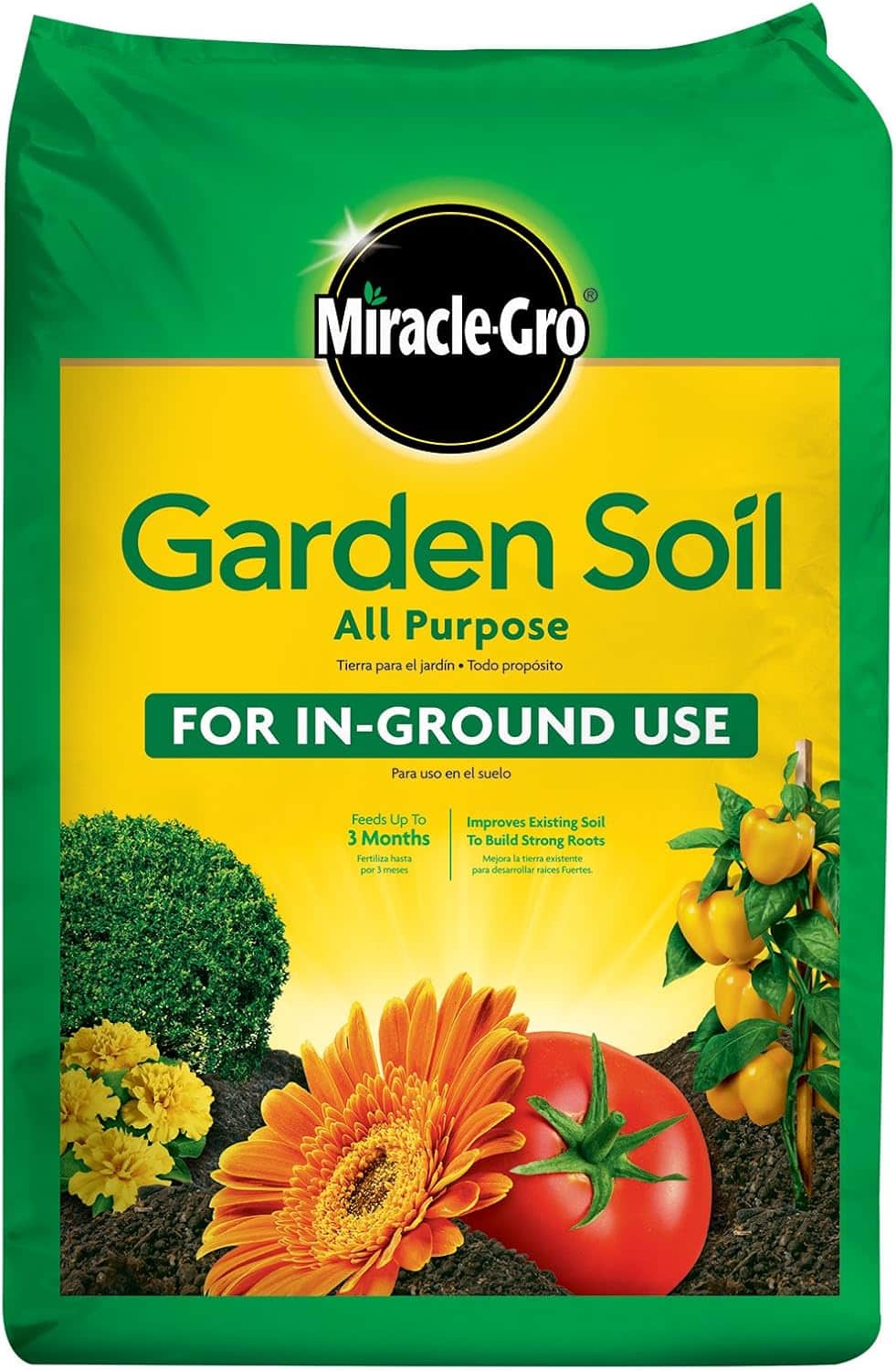
A dependable, widely available option for in-ground beds. It comes pre-loaded with continuous-release plant food that feeds for up to three months, so newly planted vegetables get a head start without extra fertilizing right away.
Espoma Organic All-Purpose Garden Soil (1 cu ft)
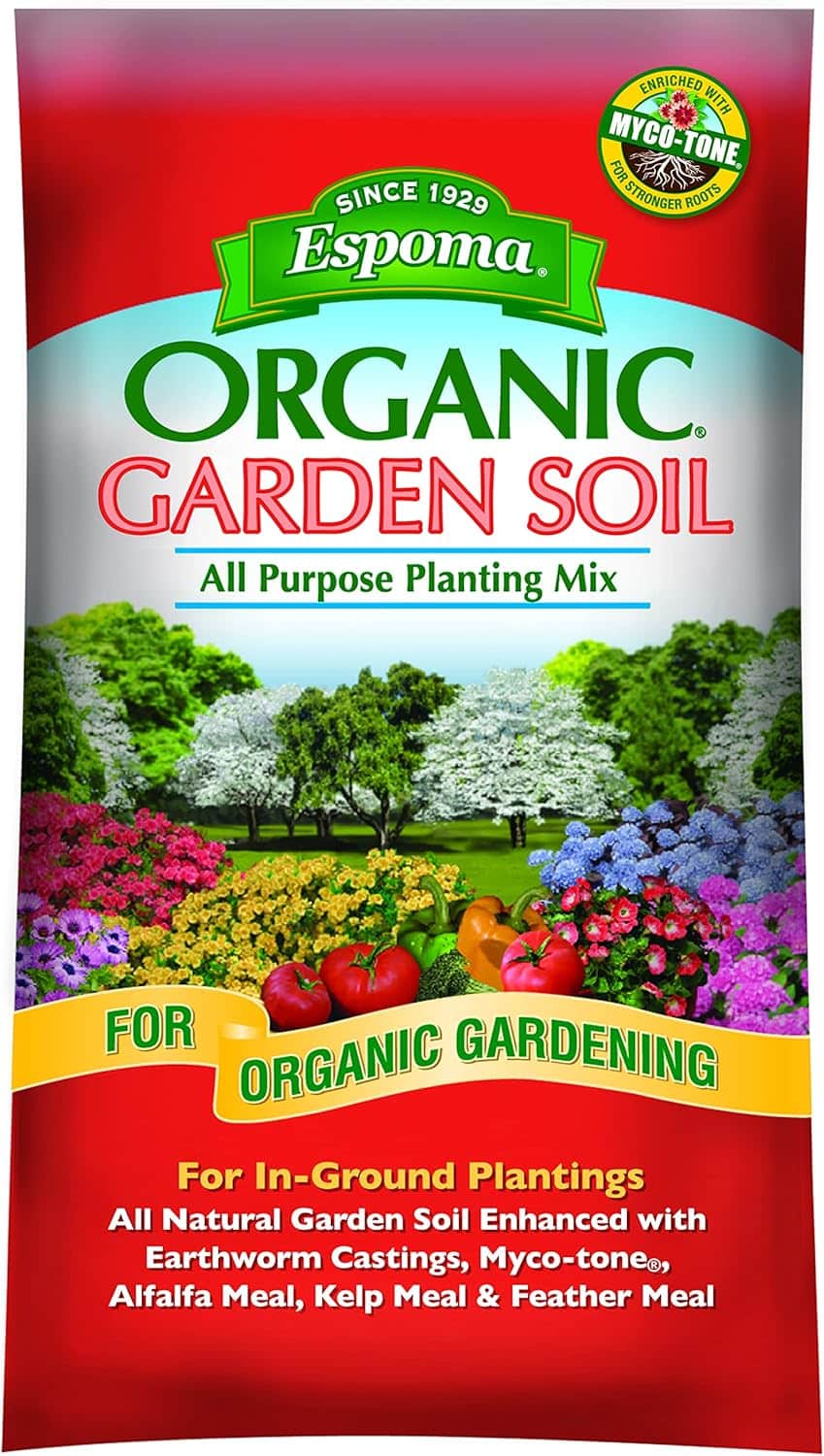
If you want to keep the whole bed organic, Espoma’s version skips synthetic fertilizer entirely in favor of aged forest products, earthworm castings, kelp meal, and similar natural inputs. It’s a good match if you’re already avoiding synthetic inputs elsewhere in the garden.
FoxFarm Ocean Forest Potting Soil (1.5 cu ft)
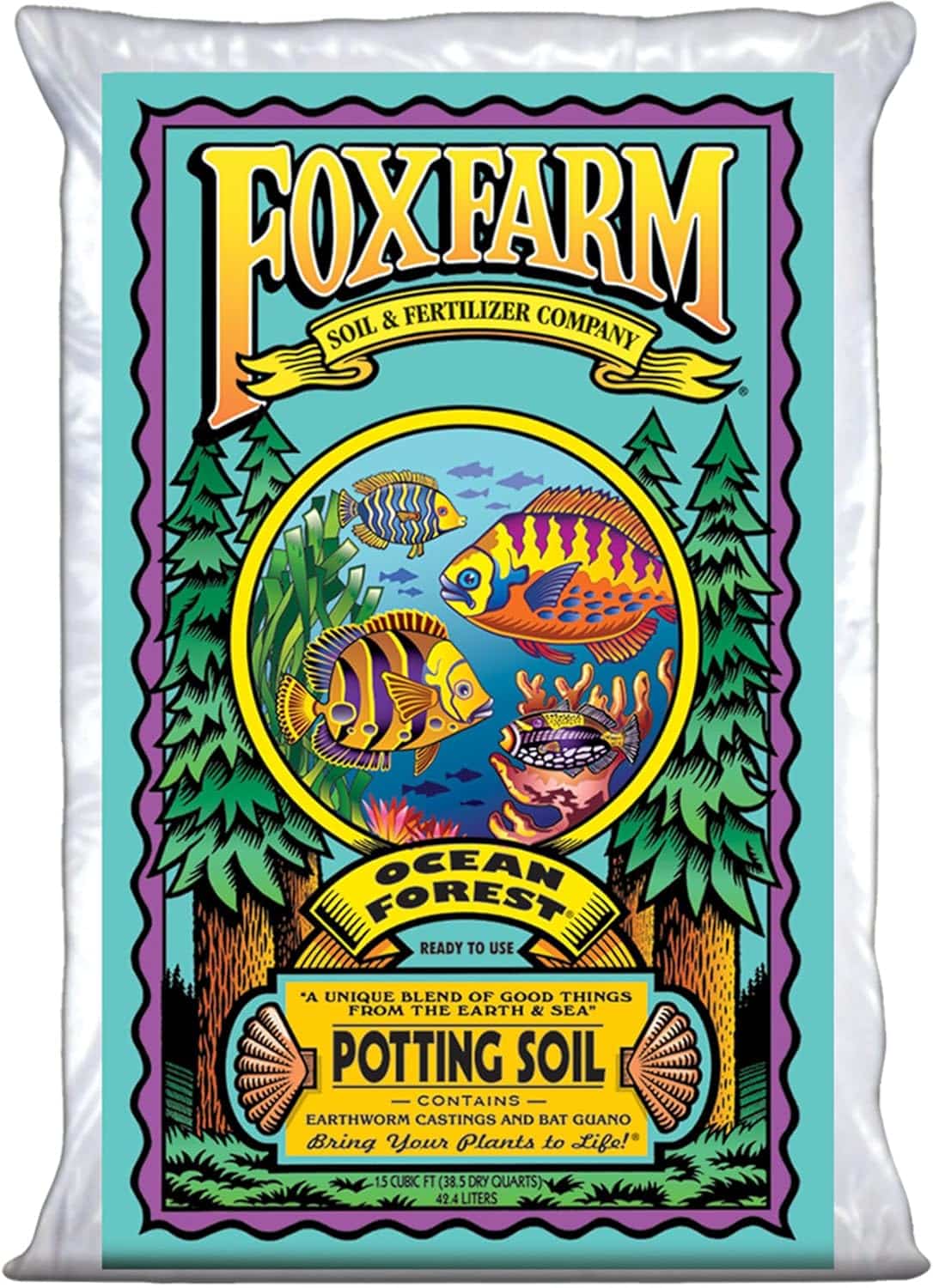
This one is worth including specifically because it’s potting soil, not garden soil — if you’re filling containers rather than an in-ground bed, this is the category you actually want. It’s pH-adjusted, light, and aerated with fish meal, crab meal, and earthworm castings, and it’s a favorite for container vegetables and starts.
Testing Your Soil’s pH
Most vegetables prefer a slightly acidic to neutral pH, somewhere around 6.0–7.0. A basic home pH test kit or meter will tell you where you stand in a couple of minutes, whether you bought bagged garden soil or built your own mix.
If your soil comes back too acidic, garden lime worked into the top few inches will raise the pH gradually. Too alkaline, and elemental sulfur or added organic matter will bring it back down. Either way, retest a few weeks after amending rather than assuming the first fix worked — pH shifts slowly and it’s easy to overcorrect if you don’t check.
Wrapping Up
The soil aisle confusion isn’t your fault — topsoil, garden soil, and potting mix genuinely do overlap in name while serving very different purposes. Match the product to where it’s going (beds get garden soil, containers get potting mix), build your own blend when the bed is big enough to make it worthwhile, and always check pH before assuming a struggling plant is a feeding problem.
FAQ — Garden Soil
Topsoil is unamended native soil, dense and low in nutrients on its own. Garden soil is topsoil blended with compost or other organic matter specifically to improve fertility and structure for growing plants.
It’s not recommended. Garden soil is too dense for containers and tends to compact, suffocating roots. Use a dedicated potting mix for pots and containers instead.
Most vegetables grow best in slightly acidic to neutral soil, roughly pH 6.0 to 7.0. A basic soil test kit will tell you where your soil currently sits.