Categories
Home & Garden

How to Build a Raised Garden Bed: A Complete Guide

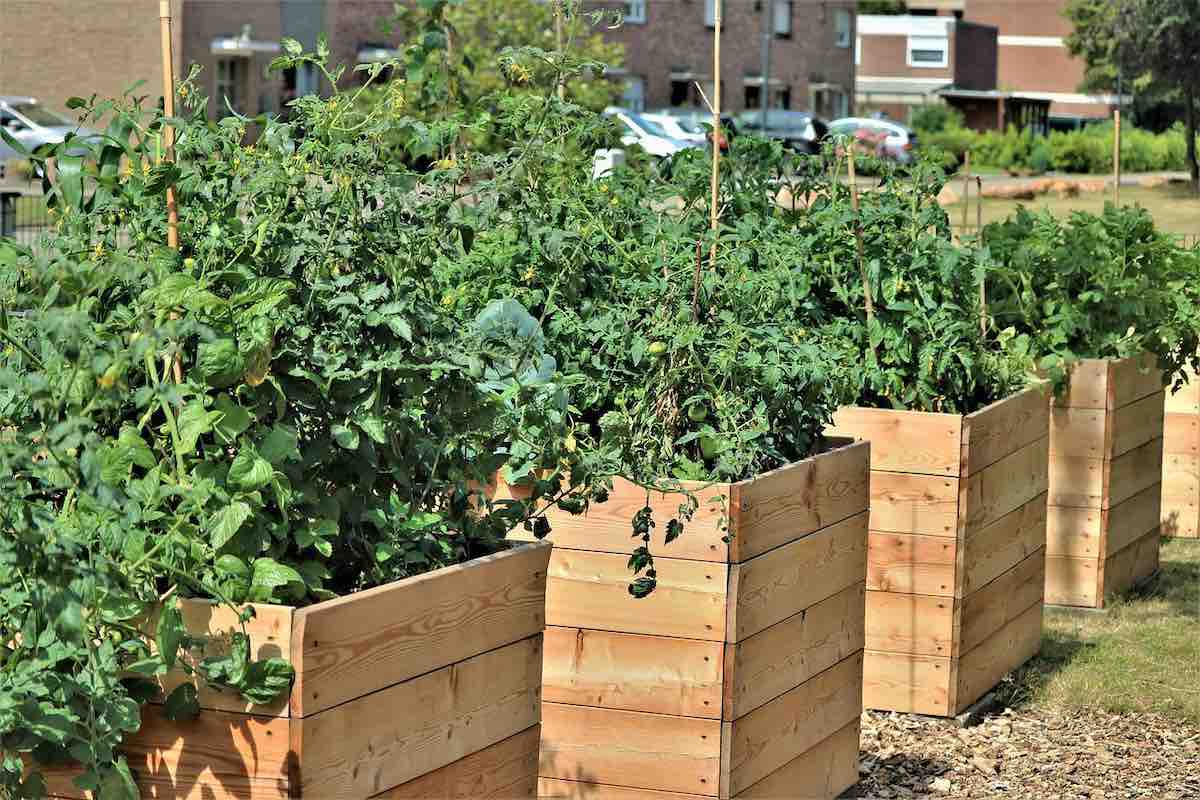
Most home gardeners spend years wrestling with rocky soil, compacted clay, and backs that ache from kneeling at ground level — only to end up with a modest harvest. Raised garden beds solve all three problems at once. They put you in complete control of your soil, your drainage, and your planting depth, and they let you start growing weeks earlier in spring than your neighbors who are still waiting for cold, wet ground to warm up. Whether you have a quarter-acre backyard or a narrow strip of lawn beside a fence, learning how to build raised garden beds is one of the best investments you can make in your home growing setup.

In this guide we’ll walk you through everything you need to know — from choosing materials and sizing your beds to filling them with the right soil mix and planting them out for maximum yield. If you’re just getting started with growing your own food, be sure to check out our guide on why you should grow your own vegetables — it’s a great primer for what raised beds make possible.

  • Why raised beds beat in-ground growing for most home gardeners
  • The best materials to use and what to avoid
  • How to size your beds correctly
  • A complete step-by-step build guide
  • The ideal soil mix for raised beds
  • What to plant and how to maintain your beds year after year
Categories
Home & Garden

Make Your Own Fertilizer

Making your own fertilizer is one of the most practical habits you can build into a homestead or home garden routine. It turns kitchen scraps and yard waste into a genuine soil amendment — for free. Compared to bagged synthetic fertilizers, homemade options feed your soil biology as well as your plants, build long-term soil structure, and don’t carry the risk of over-application burning your crops. Once you have a system going, you’ll wonder why you ever bought the bags.

The good news is that making your own fertilizer doesn’t require special equipment or chemistry knowledge. Compost, compost tea, banana peels, eggshells, and coffee grounds all deliver real nutritional value to your soil in ways that are easy to manage at home. This guide covers the full range of options — from hot composting to worm bins — so you can pick the methods that fit your space and schedule. If you’re thinking about this as part of a broader garden setup, the homesteading hub has a lot of complementary guidance.

Categories
Home & Garden

Bokashi Composting Guide: How to start Bokashi Composting

If you’re looking for an easy way to start composting, or have a lack of space for a traditional compost, the Bokashi method may be the right choice for you — if you have the space and want the traditional outdoor method instead, see our guide to starting composting. Once a niche technique, bokashi has gone mainstream among urban and suburban homesteaders and is now one of the most accessible composting methods around.

This guide will show you how to get started with Bokashi composting, including what materials you’ll need and how to set up your system.

What is Bokashi?

Bokashi composting is a very simple composting method that allows you to add kitchen waste, directly into the composter without creating unpleasant odors. Unlike traditional composting, which takes several months to years, Bokashi can process your organic food waste in just 4 weeks!

Categories
Home & Garden

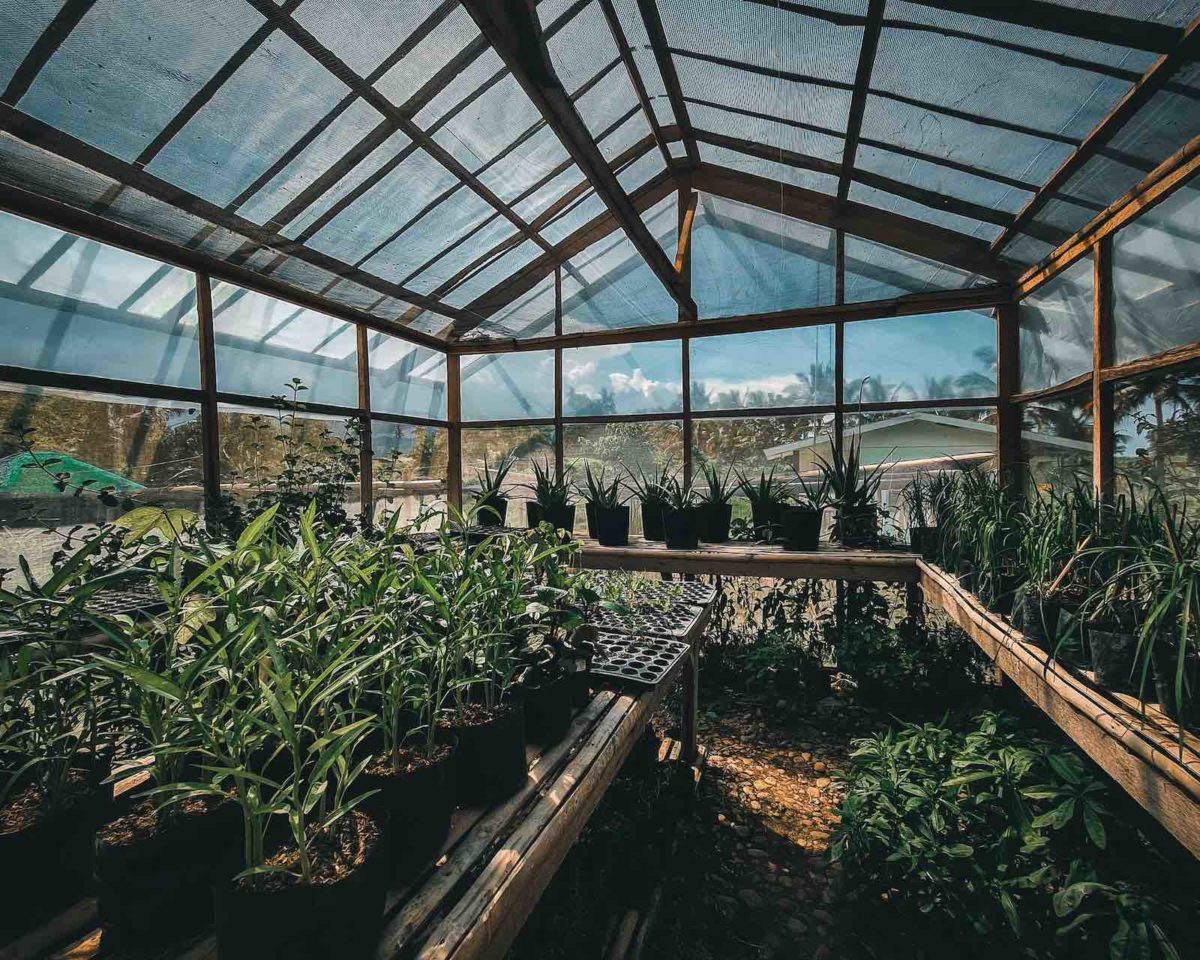
How to set up your Greenhouse – a beginner’s guide

Are you ready to get started with your own greenhouse? Fantastic! In this article we’ll give you a complete rundown of how to set up your greenhouse, what to plant in there and how to make sure you get your first starter-greenhouse-harvest, yummy!

The first thing you need to do is draw out a plan of what you want your greenhouse to look like and choose the best possible location for it on your property.

This is important because if the site isn’t suitable for your house or if it has poor drainage, you could be setting yourself up for some major issues.

Once you’ve found the perfect location, measure out how large you want to build your greenhouse for your garden so that your plans are accurate. A well-sized greenhouse is one of the most versatile investments in any farming or growing setup.

Categories
Home & Garden

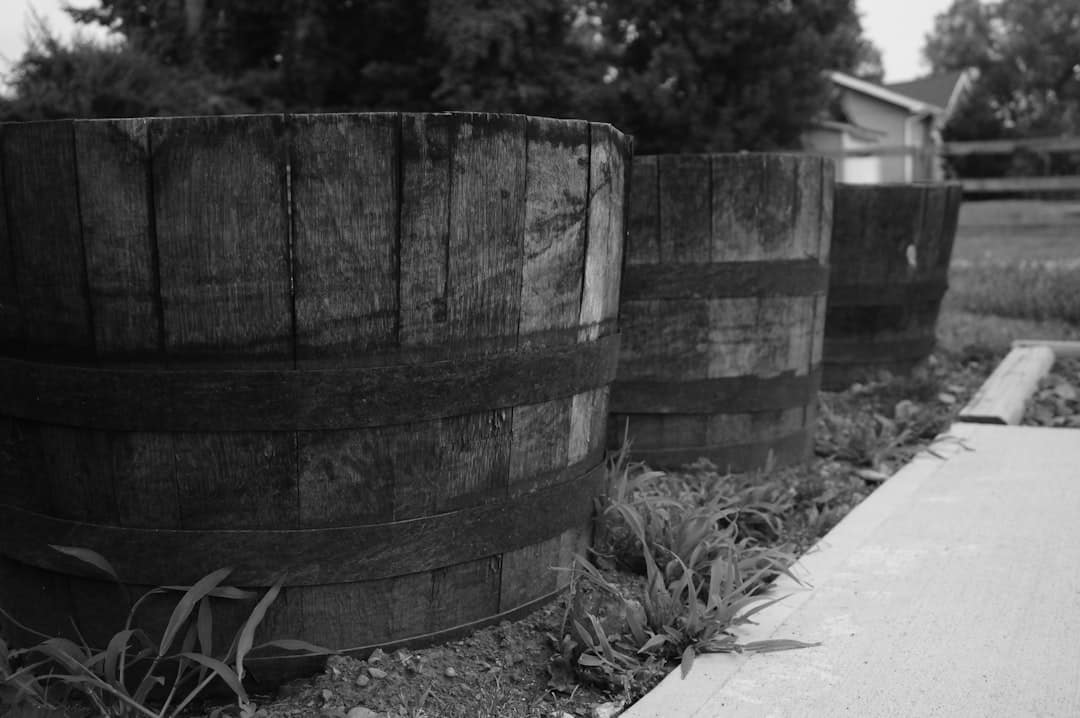
Best Rain Barrels for Your Homestead

Collecting rainwater is one of the oldest tricks in farming, and it still holds up as one of the smartest. A decent rain barrel can save you money on water bills, reduce runoff on your property, and give your garden a supply of chlorine-free water that plants genuinely prefer. Whether you are running a full homestead or just getting started with a few raised beds, a rain barrel pays for itself faster than almost any other piece of equipment.

Categories
Home & Garden

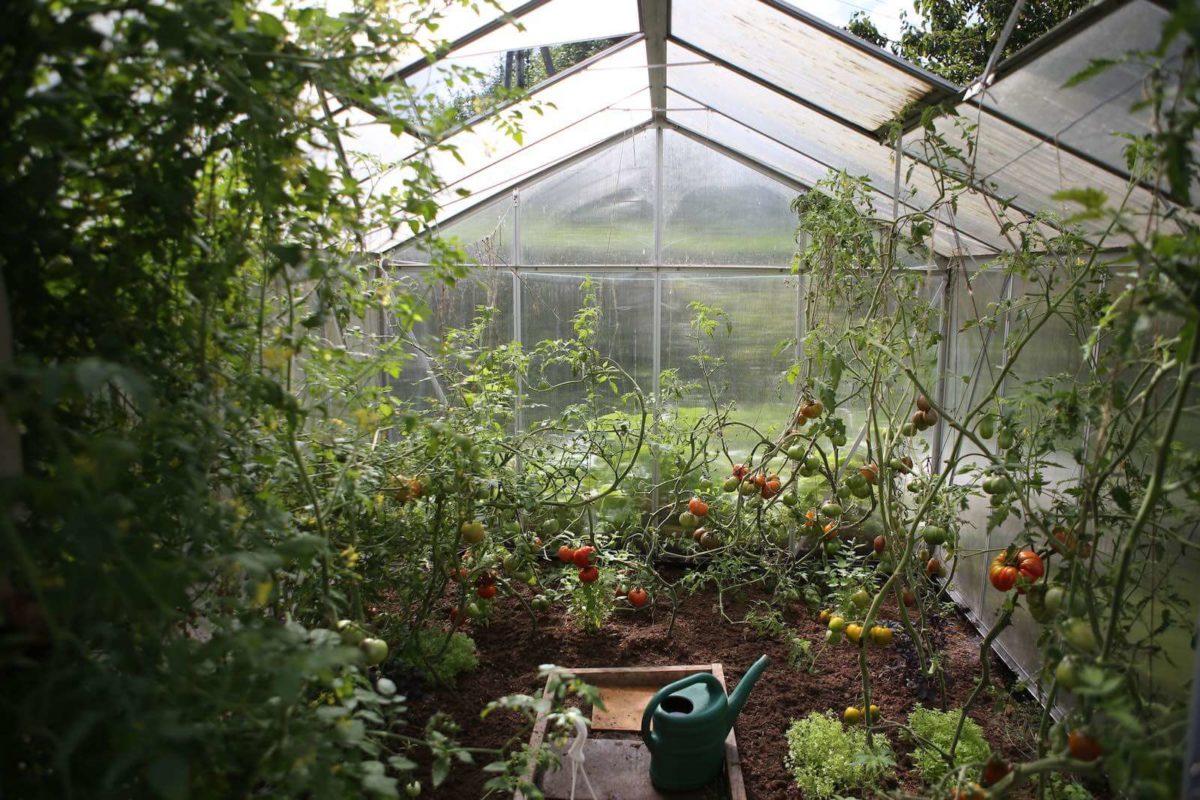
Why You Should Grow Your Own Vegetables

There has never been a better time to start growing your own vegetables. Whether you have a sprawling backyard, a modest patio, or just a sunny windowsill, cultivating your own food is one of the most rewarding things you can do. It saves money at the grocery store, puts fresher and healthier produce on your table, and gives you a hands-on connection to the food you eat every single day. If you have been thinking about starting a vegetable garden, this guide walks you through exactly why it matters and how to get going, even if you have never planted a seed before.

Categories
Home & Garden

Best Uses for Beeswax around a Farm Home

What is beeswax used for? This is one of the typical questions that’s been around for ages – but no one really bothers to explore the topic in-depth. If we particularly talk about the best used for beeswax around a farm home, there are a lot of DIY crafts you can try out. So, think about how helpful these beeswaxes can be in terms of kitchen, cooking, and home appliances!

Beeswax is natural, and that’s why it smells so good. Its secrete wax esters are produced from its wax glands. It was once used to create beeswax candles, but it now has a wide range of applications.

For instance, beeswax makes excellent lotions and creams, works as a coating for wood or leather, and even makes DIY shoe polish.

This article will look into some of the most effective uses for beeswax and what it’s beneficial for. Read on to find out which incredible items you can make with this natural wax.

CategoryUsesWhy Beeswax Works
Farm & Animal CareWound salve, hoof treatment, tool waterproofing, equipment cleaningNatural antibacterial, water-resistant
KitchenFood wrap, non-stick coating, baking additive, food preservationFood-safe, biodegradable, preserves freshness
Home & DIYCandles, furniture polish, wooden drawer lubricant, sewing thread waxSlow-burning, protective barrier
Skincare & BeautyLip balm, lotion, soap, perfumery baseMoisturising, hypoallergenic, natural barrier
CraftsLeaf preservation, luminaires, Christmas decorations, crayonsMouldable when warm, hardens cleanly
Quick-reference guide to the best uses for beeswax around a farm home