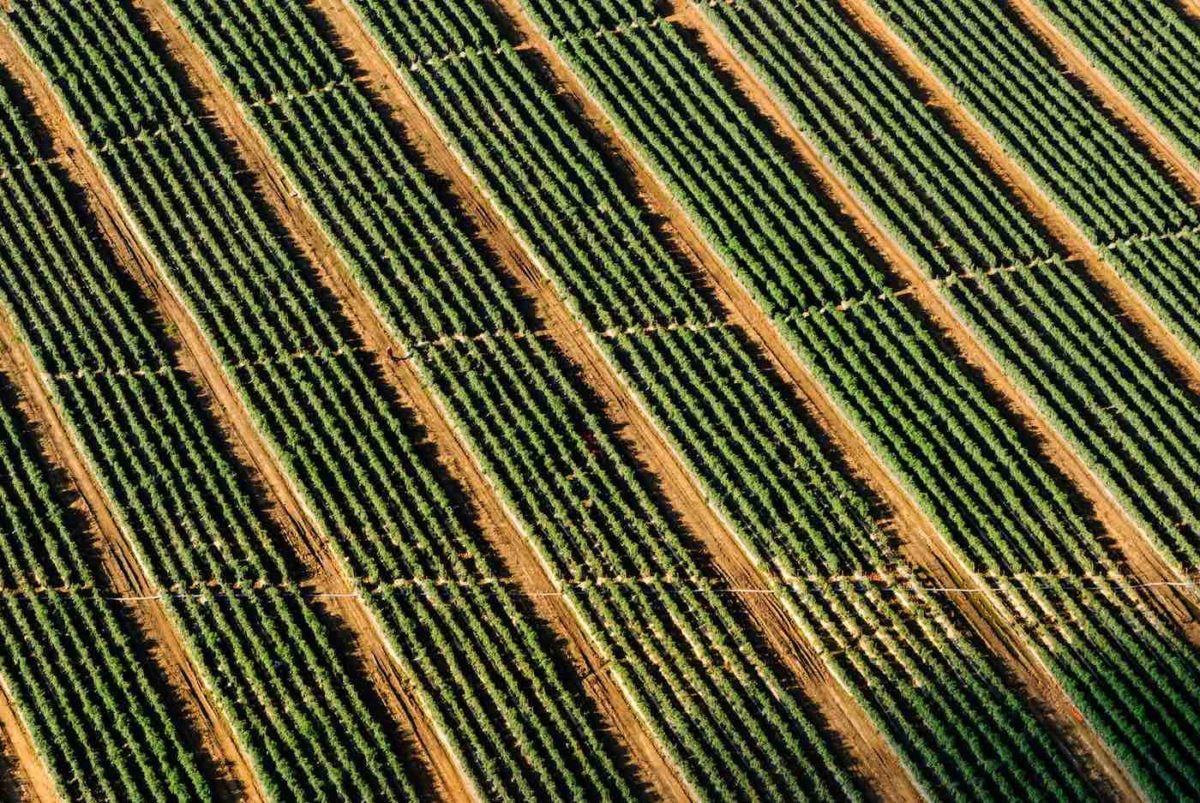
Growing one crop per field per year leaves a lot of potential on the table. Multiple cropping (also called multicropping) is the practice of growing more than one crop on the same piece of land in a single year – either at the same time, in sequence, or in carefully planned rotations.
Multiple cropping is any system that grows two or more crops on the same land in the same year. The main types are double cropping (two crops in sequence on the same plot in one year), intercropping (two or more crops growing together at the same time), relay cropping (planting the next crop before the current one is harvested), and sequential cropping (back-to-back crop cycles with no overlap).
Done well, multicropping lifts yield per acre, spreads weather and market risk, and builds healthier soil. Done badly, it drains nutrients, increases pest pressure, and wears out the land. This guide breaks down the types, the pros and cons, what to plant together, and when double cropping specifically is worth it on a US farm or homestead.
Types of Multiple Cropping Systems
“Multiple cropping” is an umbrella term. Underneath it, there are four distinct systems. They overlap in places but differ in timing and spacing.
| System | Timing | Space | Example |
|---|---|---|---|
| Double cropping | Two crops in sequence, same year | Same plot | Winter wheat then soybeans on the same field |
| Intercropping | Two or more crops at the same time | Mixed rows or alternating rows | Corn with beans and squash (the Three Sisters) |
| Relay cropping | Second crop planted into the standing first crop | Same plot, overlapping | Seeding clover into wheat 4 weeks before harvest |
| Sequential cropping | Back-to-back cycles, no overlap | Same plot | Spring lettuce, summer tomatoes, fall kale |
Double cropping
Double cropping means growing two full crops on the same field in a single year, one after the other. In the US Midwest and Mid-Atlantic, winter wheat followed by soybeans is the classic double-crop rotation. The wheat is harvested in late June, and soybeans go in the same field by early July. Both crops finish by frost.
Double cropping is a big deal on US farms because it can meaningfully raise total revenue per acre without requiring more land. The tradeoff: you need a growing season long enough to fit two crops, and yields per crop are usually lower than a single full-season planting.
It works best in zones 6 and warmer, on well-drained fields, and on farms with the equipment to turn over a field quickly between harvest and planting. See our farm irrigation guide if you’re running double crops and need reliable water delivery between harvests.
Intercropping
Intercropping grows two or more crops in the same field at the same time — the same underlying idea behind companion planting at garden-bed scale. Crops are either mixed together randomly, planted in alternating rows, or planted in strips. The goal is to combine species that use different soil layers, compete for light at different heights, or draw different nutrients – so the total output is higher than either crop alone.
The most famous example is the Three Sisters: corn, beans, and squash. Corn provides a stalk for the beans to climb. Beans fix nitrogen for the corn. Squash sprawls across the ground as a living mulch. It’s one of the oldest examples of permaculture design in practice — plants doing each other’s work instead of competing for the same resources.
Relay cropping
Relay cropping is a kind of hybrid between intercropping and double cropping. You plant the second crop into the standing first crop – usually a few weeks before the first is harvested. Once the first is out, the second has a head start.
A common US example is interseeding red clover into standing wheat. The wheat comes off in summer, the clover stays in the ground as a cover crop through fall and winter, and you’ve built soil without taking the field out of cash-crop production.
Sequential cropping
Sequential cropping is back-to-back cycles with no overlap. A small market garden might run spring lettuce, summer tomatoes, and fall kale in the same bed across one season. It’s essentially double or triple cropping for vegetable growers.
For high-rotation vegetable plots, our guide on optimizing your garden and seeds for different seasons covers the planning side.
Benefits of Multiple Cropping
Higher total yield per acre
Multiple cropping systems often produce more total output per acre than a single-crop system. The land is working the full growing season instead of sitting bare for months at a time. For commodity growers, a successful double crop can add 20 to 40 bushels of soybeans per acre on top of a wheat crop – meaningful revenue for a small margin.
Reduced risk
Growing two or more crops spreads risk. If weather hits one crop hard, you still have the other. Markets work the same way – if wheat prices crash, your soybeans might carry the year.
Better soil health
Legumes (beans, peas, clover) fix nitrogen. Deep-rooted crops pull nutrients up from lower soil layers. Cover crops prevent erosion and add organic matter. A well-designed multiple cropping system builds soil instead of mining it.
Weed and pest suppression
Living ground cover outcompetes weeds. Crop diversity makes it harder for pests and diseases to build up. Rotating crop families breaks pest life cycles, which is a core reason monoculture fields rely so heavily on pesticides.
Food security
On a farm or homestead level, multiple cropping means more of the year produces food. That matters if you’re feeding your own household or supplying a local market. At a regional level, it reduces dependence on a single crop as a staple.
Downsides and Risks
Multicropping isn’t automatically better than monocropping. The tradeoffs matter.
- More planning. You need to know planting dates, maturity windows, and rotation logic. One mistimed planting can crash both crops.
- More labor. Two crops means two harvests, two preps, and sometimes two sets of equipment.
- Lower yield per crop. A double-cropped soybean field usually yields less than a full-season soybean field. The payoff is total yield from both crops combined, not yield per individual crop.
- Nutrient pressure. Growing more on the same land means drawing more from the soil. If you’re not replacing nutrients through fertilizer, cover crops, or compost, the system breaks down within a few years.
- Equipment timing. Double cropping requires fast turnaround between harvest and planting. Farms without the right equipment or contract labor can lose the window.
- Herbicide carryover. Some herbicides used on the first crop can damage the second. Always check the label before double cropping into a treated field.
What Crops Work Well Together?
The best multiple cropping combos pair crops with different maturity windows, different soil demands, or complementary growth habits.
Proven double cropping pairs (US field scale)
- Winter wheat then soybeans. The default double-crop rotation across the US Midwest and Mid-Atlantic.
- Winter barley then soybeans. Barley is harvested a week or two earlier than wheat, giving the soybeans more growing season.
- Winter rye then corn. Rye as a cover crop terminated in spring, followed by corn.
- Winter canola then soybeans. A less common but viable rotation in the South.
Intercropping pairs for small farms and gardens
- Corn, beans, squash (Three Sisters). The classic companion planting system.
- Tomatoes with basil. Basil repels some tomato pests; tomatoes shade the basil.
- Carrots with onions. Onions deter carrot flies; carrots deter onion flies.
- Lettuce with radishes. Radishes mature fast and mark the rows while lettuce establishes.
Sequential cropping for vegetable beds
- Spring: lettuce, spinach, peas, radishes, early brassicas.
- Summer: tomatoes, peppers, squash, cucumbers, beans.
- Fall: kale, chard, carrots, beets, garlic (planted fall, harvested next summer).
Our guide on the most profitable crops for a small farm is a good next read if you’re picking what to plant.
How to Start Multiple Cropping on Your Farm
- Know your growing season. Count frost-free days. Double cropping needs at least 150 to 180 days in most of the US. Intercropping is more flexible.
- Pick a proven pair first. Start with a rotation other growers in your region already use. Don’t invent a new combo until you have a couple of successful seasons under your belt.
- Match crops to soil. Heavy soils and well-drained soils favor different crop pairs. Get a soil test before committing.
- Plan the calendar backwards. Start from your frost date and work back. Make sure both crops have time to mature.
- Budget for inputs. Two crops mean two rounds of seed, fertilizer, and labor. Make sure the numbers still work.
- Walk the field. Scout regularly. Double cropping amplifies small problems – weed pressure, disease, water stress – so early catches matter more.
- Track the results. Yields, inputs, weather. Build a record across two or three seasons before judging the system.
For smaller operations, our traditional vs urban farming guide covers how scale changes what’s realistic.
Multiple Cropping on an Urban Farm or Homestead
Urban and backyard growers have an easier time with multicropping than commodity farmers, because the plots are smaller and the planning cycle is tighter.
- Use raised beds. Easier soil management, faster turnover, and you can control nutrients precisely.
- Plant in succession. Sow short-season crops every 2 to 3 weeks so you always have something coming.
- Interplant fast with slow. Radishes (30 days) between rows of carrots (70 days) lets you harvest the radishes before the carrots need the space.
- Use cover crops in the off-season. Crimson clover, winter rye, hairy vetch. Turn them under before the next planting.
- Compost everything. Small systems cycle nutrients fast. If you’re not building soil back, the yields fall within a season.
Multicropping vs Crop Rotation: What’s the Difference?
Crop rotation means changing what you grow in a field from year to year. Multiple cropping means growing more than one crop in the same field in the same year.
They’re related but different. Most well-run farms do both: a multi-year rotation (corn, soybeans, wheat, for example) combined with double cropping or cover cropping inside each year. That’s how you maximize yield, protect soil, and manage pests and diseases in one system.
In Summary
Multiple cropping – double cropping, intercropping, relay cropping, or sequential cropping – is one of the highest-leverage tools for a small or mid-sized farm. Done well, it raises total yield, spreads risk, and builds soil. Done poorly, it burns out the land. Start with a proven regional pair, plan the calendar carefully, and track two or three seasons before scaling up.
FAQ about Multiple Cropping
Multicropping (also called multiple cropping) is the practice of growing two or more crops on the same piece of land in the same year. The four main types are double cropping, intercropping, relay cropping, and sequential cropping.
Double cropping is growing two full crops on the same field in a single year, one after the other. The most common US example is winter wheat harvested in early summer, followed by soybeans planted the same year. Both crops finish before frost.
Intercropping grows two or more crops at the same time in the same field, often in alternating rows or mixed together. Double cropping grows two crops in sequence on the same field in the same year. Intercropping is about sharing space; double cropping is about sharing the calendar.
It can be. A successful wheat-and-soybean double crop in the US Midwest can add 20 to 40 bushels of soybeans per acre on top of the wheat crop, which often pushes total revenue well past what a single crop would produce. Profitability depends on weather, input costs, and whether you have the equipment to plant the second crop quickly after the first is harvested.
In most of the US, winter wheat followed by soybeans is the standard double-crop pair. Winter barley or rye can replace the wheat for earlier harvest. In the South, winter canola followed by soybeans is a less common but workable alternative.
Not if you manage nutrients. Multiple cropping extracts more from the soil than single cropping, so you need to replace what’s taken out through fertilizer, cover crops, or compost. Including legumes in the rotation helps because they fix nitrogen. Poorly managed multicropping can wear out the land within a few seasons.
Yes. Small farms and homesteads are often better suited to multicropping than big commodity farms because the plots are small enough to manage intensively. Sequential cropping (spring, summer, fall rotations in the same bed) and intercropping pairs like the Three Sisters work well at this scale.