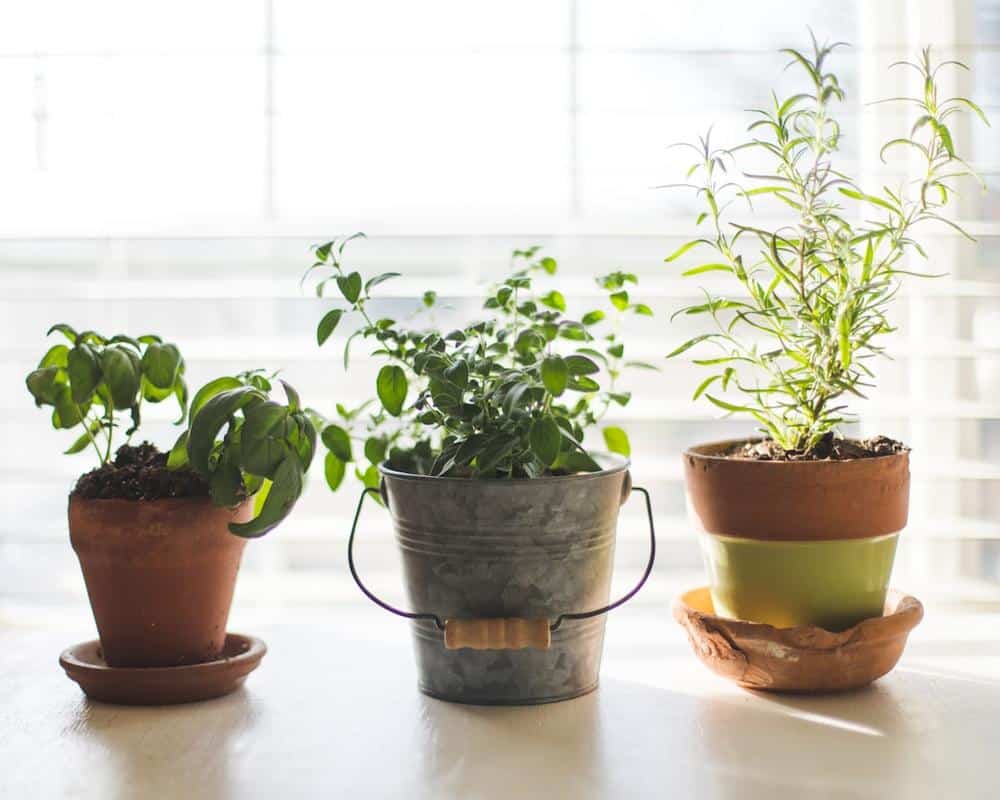
You don’t need a plot of land to grow your own food. A sunny windowsill, a few pots, and a bag of potting mix is enough to get an indoor herb garden going — and once those first seedlings push through the soil, it’s hard to stop. Indoor gardening has become one of the most accessible entry points for anyone who’s curious about growing their own food, whether you’re living in an apartment or have ten acres outside and want fresh herbs within arm’s reach of the stove.
This guide walks through everything a beginner needs to know: which plants are the easiest to start with, what basic equipment you actually need, how to set up your first indoor herb garden, and the common mistakes that trip people up early on.
Why Start an Indoor Garden?
The most practical reason is convenience. Having fresh herbs growing on your kitchen counter means you’re snipping basil into pasta at the last minute instead of buying a pre-packaged bunch that wilts within a week. Over the course of a year, those small savings add up — and the quality is consistently better.
Beyond the kitchen, indoor gardening is a good way to extend the growing season. If you’re already into homesteading or small-scale farming, starting seeds indoors in late winter lets you get a head start on the outdoor growing season. Tomatoes, peppers, and brassicas all benefit from being started inside 6-8 weeks before the last frost date.
There’s also the mental side of it. Growing something — even a small pot of mint on a windowsill — creates a daily habit of observation and care that most people find grounding. For folks who are newer to growing their own food, indoor gardening is a low-stakes way to build confidence before taking on a larger outdoor plot or home garden.
The Best Herbs for an Indoor Garden
Not every plant thrives indoors — low light, limited root space, and dry indoor air create conditions that some plants struggle with. Herbs are the most reliable starting point for beginners because most of them are compact, fast-growing, and genuinely useful in the kitchen. Here are five that consistently do well on a windowsill or under a grow light.
Basil
Basil is the classic indoor herb and a top pick for any beginner. It grows quickly from seed, tolerates container life well, and gives you a usable harvest within 3-4 weeks of germination. It needs at least 6-8 hours of direct sunlight per day, so a south-facing window is ideal. If your light situation is limited, basil responds well to a simple LED grow light.
One tip: pinch off flower buds as soon as they appear. Once basil starts to bolt (flower), the leaves become more bitter and production slows. Regular harvesting from the top of the plant encourages bushier growth and keeps it productive for months.
Mint
Mint is virtually impossible to kill indoors. It tolerates lower light than basil, doesn’t mind occasional missed waterings, and spreads vigorously. The only thing to watch: keep mint in its own pot. It will crowd out neighboring plants if given the chance. Spearmint and peppermint are the most commonly grown varieties; both work for teas, desserts, and cocktails.
Mint prefers consistently moist soil and indirect to moderate sunlight. If you have a east- or west-facing window, mint will do fine there where basil might struggle.
Chives
Chives are one of the most low-maintenance options for indoor growing. They grow in tight clumps, don’t need deep pots, and can be snipped repeatedly — the leaves regrow quickly after cutting. They prefer a sunny window but manage reasonably well in moderate light. Chives also tolerate the drier air of indoor environments better than many herbs.
Grow chives from seed (they germinate in 10-14 days) or divide an existing clump from an outdoor plant in fall and bring it inside. Either way, they’ll keep producing through the winter months when outdoor herbs are dormant.
Parsley
Parsley is slower to germinate than basil or chives (2-4 weeks from seed) but makes a reliable indoor herb once established. It needs good light — at least 6 hours — and consistent watering without letting the pot sit in standing water. Both flat-leaf (Italian) and curly parsley grow well in containers.
Because germination is slow, parsley is often easier to start from a nursery transplant rather than seed. Buy a small pot, repot it into a 6-8 inch container, and it will produce steadily for several months.
Rosemary
Rosemary is the most demanding of the five — it needs the brightest light you can provide and good drainage to prevent root rot. But if you have a sunny south-facing window or a decent grow light, it’s a rewarding herb to grow indoors. Rosemary is slow growing but long-lived; a healthy indoor rosemary plant can produce for years.
The most common mistake with rosemary indoors is overwatering. Let the top inch of soil dry out between waterings. Use a terra cotta pot if you can — it wicks moisture away from the roots and helps prevent the soggy conditions rosemary dislikes.
Growing Vegetables Indoors
Herbs are the easy win, but plenty of vegetables can be grown indoors too — especially if you’re willing to add a grow light. Lettuce and salad greens are the most practical choice: they grow fast, don’t need as much light as fruiting vegetables, and can be cut and harvested on a cut-and-come-again basis for continuous production.
Radishes mature in as little as 3-4 weeks and do well in shallow containers. Green onions can be regrown from the white root ends of store-bought bunches — just stand them in a glass of water and they’ll sprout new shoots within a week. Cherry tomatoes and peppers are possible indoors if you have grow lights, but they need significantly more light and space than herbs or greens.
For anyone on a farm or homestead who wants to start vegetable plants indoors before the outdoor season, seedling trays under a 24-inch full-spectrum grow light is the standard setup. Start tomatoes and peppers 8 weeks before your last frost date, brassicas 4-6 weeks before, and direct-sow greens anytime.
What You Need to Set Up an Indoor Garden
Indoor gardening doesn’t require a lot of gear. Here are the core elements and what to look for in each.
Containers and Pots
Drainage is the most important feature in any container. Always use pots with drainage holes — without them, water collects at the bottom and roots rot. Most herbs do fine in 4-6 inch pots; parsley and rosemary prefer 6-8 inches. For a multi-herb windowsill planter, a long rectangular box with drainage is a tidy option.
Terra cotta is breathable and helps prevent overwatering — a good choice for herbs like rosemary and lavender that like drier conditions. Plastic pots retain moisture longer, which suits basil and mint better.
Potting Mix
Don’t use garden soil for indoor containers — it compacts badly and often carries pests and diseases (see our garden soil guide for what to use instead). A standard indoor potting mix works for most herbs. For herbs that need excellent drainage (rosemary, thyme, sage), mix in about 20-30% perlite to improve drainage and airflow around the roots.
Light
Light is the most limiting factor for indoor growing. A south-facing window with 6+ hours of direct sun is ideal for most herbs. East- and west-facing windows work for less demanding plants like mint, chives, and lettuce. North-facing windows usually don’t provide enough light for edible plants without supplemental lighting.
If your windows aren’t up to the task, a full-spectrum LED grow light is a straightforward fix. A basic 24-inch panel light positioned 4-6 inches above the plant canopy and run for 14-16 hours a day is sufficient for most herbs and leafy greens. Grow lights have dropped in price significantly and the entry-level options from major brands are very capable.
Watering
Overwatering kills more indoor herbs than underwatering. The general rule: stick your finger about an inch into the soil. If it’s dry at that depth, water thoroughly until it drains from the bottom. If it’s still moist, wait. Most herbs prefer to slightly dry out between waterings.
Bottom watering — placing the pot in a tray of water and letting it absorb moisture from below — is a good technique for herbs prone to leaf diseases like basil, since it keeps the foliage dry. Just empty the tray after 30 minutes so the roots aren’t sitting in standing water.
Step-by-Step: Starting Your First Indoor Herb Garden
- Choose your herbs. Start with 2-3 easy varieties — basil, chives, and mint are a solid beginner trio. Pick herbs you’ll actually cook with.
- Select your containers. Use pots with drainage holes. A 4-6 inch pot per herb is plenty to start.
- Fill with potting mix. Use a quality indoor potting mix. Fill to about 1 inch below the rim to leave room for watering.
- Plant your seeds or transplants. Sow seeds according to the packet depth (usually 1/4 inch for most herbs). Or transplant nursery seedlings directly. Water gently after planting.
- Place in the best light you have. South-facing window first choice. Add a grow light if needed.
- Water when the top inch is dry. Check every 2-3 days and establish a routine.
- Start harvesting when plants are 4-6 inches tall. Pinch or snip from the top to encourage bushy growth. Never take more than a third of the plant at one time.
Common Indoor Gardening Mistakes (and How to Fix Them)
Most beginner indoor gardening problems come down to a handful of recurring issues. Here’s what to watch for.
- Overwatering. The most common cause of plant death indoors. Soggy roots can’t absorb oxygen. Fix: always check soil moisture before watering; ensure pots have drainage.
- Not enough light. Leggy, pale, slow-growing plants are the classic sign. Fix: move closer to the window or add a grow light.
- Wrong soil. Garden soil in containers leads to poor drainage and compaction. Fix: always use a proper indoor potting mix, not outdoor garden soil.
- Pots without drainage. Decorative pots often have no holes. Fix: use a nursery pot inside the decorative one, or drill drainage holes.
- Not harvesting. Herbs that aren’t cut regularly will bolt and stop producing quality leaves. Fix: harvest frequently — it encourages the plant to keep growing.
- Dry indoor air. Central heating dries out indoor air significantly, stressing some plants. Fix: occasional misting or a small humidifier near your plants helps. Grouping plants together also raises local humidity slightly.
Mint and chives are the easiest herbs for beginners. Both tolerate lower light than most other herbs, grow vigorously, and bounce back quickly from missed waterings or harvesting. Basil is also a popular choice if you have a sunny south-facing window.
Not necessarily. If you have a south-facing window with 6+ hours of direct sunlight, you can grow most herbs without additional lighting. For north- or east-facing windows, or if you want to grow vegetables indoors, a basic full-spectrum LED grow light will make a significant difference. Entry-level grow lights are affordable and easy to set up.
This varies by herb and pot size, but a useful rule of thumb is to water when the top inch of soil is dry. For most herbs in 4-6 inch pots, that’s every 2-4 days in summer and less frequently in winter. Always check before watering rather than following a fixed schedule — overwatering is far more common than underwatering indoors.
Yes, but it requires more effort than herbs or salad greens. Cherry tomatoes are the most practical choice for indoor growing. They need a lot of light — at least 8 hours of direct sun or 14-16 hours under a full-spectrum grow light — plus regular pollination (shake the flowers gently or use a small brush). Dwarf and patio varieties are better suited to container growing than standard tomato plants.
Use a quality indoor potting mix — not outdoor garden soil, which compacts in containers and can carry pests. For herbs that prefer drier conditions (rosemary, thyme, sage), mix in 20-30% perlite to improve drainage. Most herbs sold in garden centers come in a suitable potting mix and can be used straight from the nursery pot.